01
Automation is a line-level decision
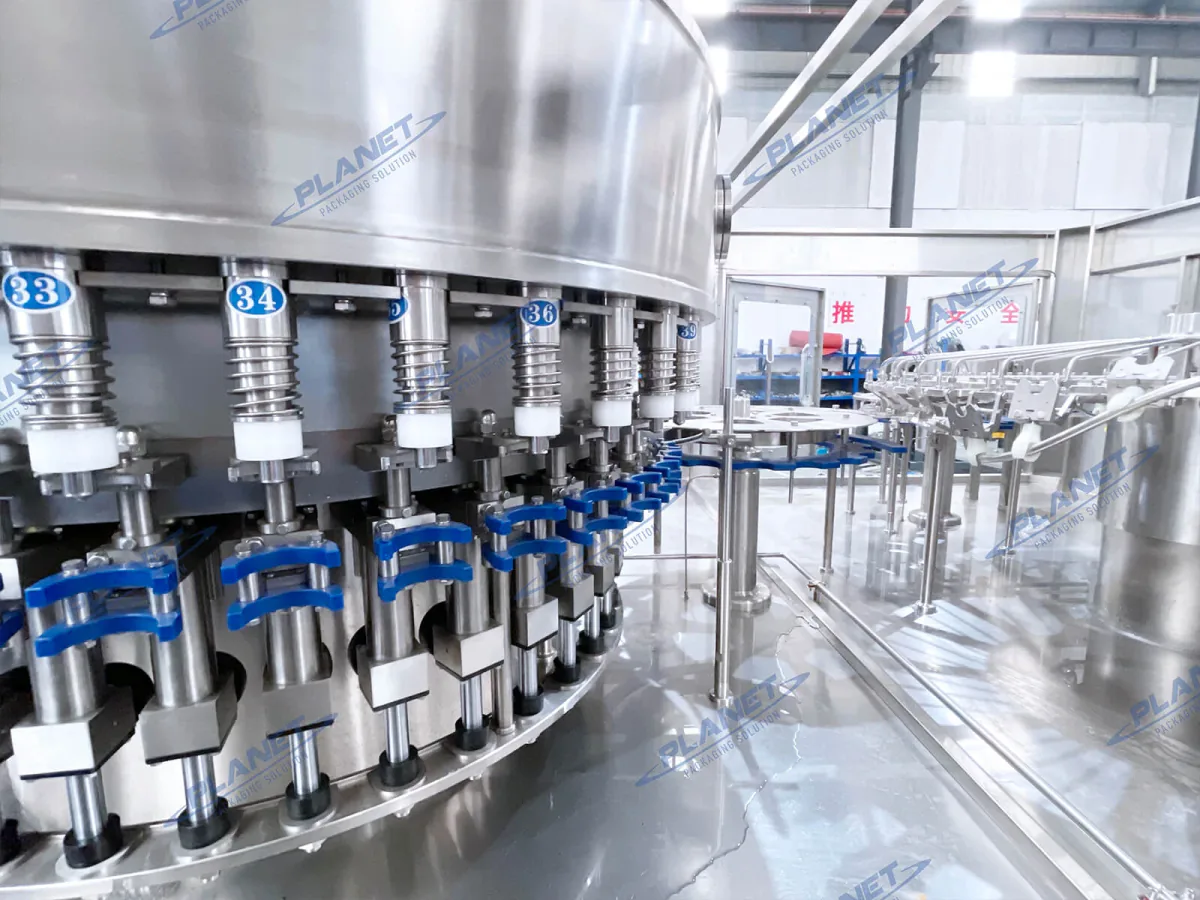
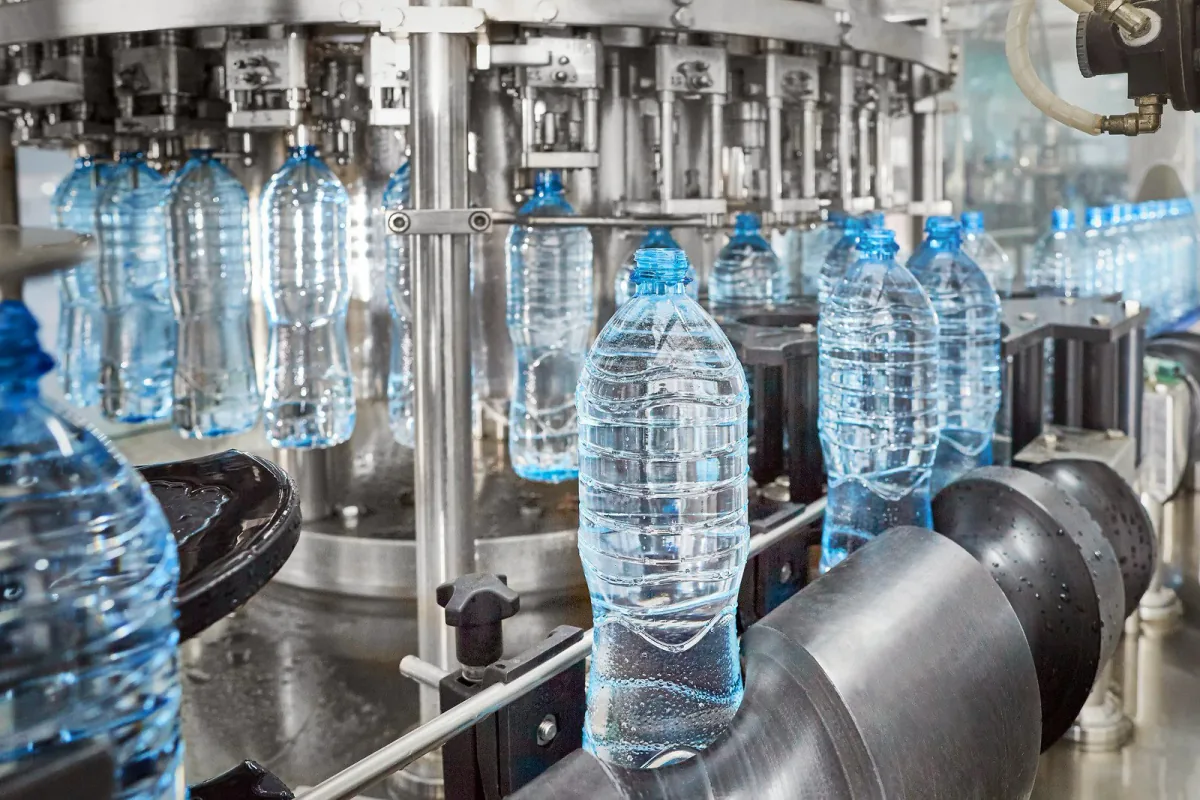
An automatic filler does not make the complete production route automatic by itself. The water process, bottle supply, conveyors, labeling, packing and pallet handling must exchange status and respond to stops in a coordinated way.
02
More stable production handoffs
Sensors, accumulation and machine handshakes help manage the points where containers move from one machine to the next. The objective is controlled flow, not simply the highest individual-machine speed.
- Coordinate start, stop and fault states
- Use accumulation to separate short downstream stops from the filler
- Monitor bottle, cap, label and pack supply
- Present alarms and recipes through a consistent operator interface
03
Quality checks become part of the route
Automated inspection can monitor container presence, fill level, cap application, labels and date codes. Rejection logic and production records help operators trace recurring faults instead of relying only on end-of-line inspection.
04
Choose the right automation level
The suitable level depends on output, labour model, pack formats, maintenance capability and investment scope. A useful proposal should state which tasks remain manual and which interfaces are controlled automatically.