
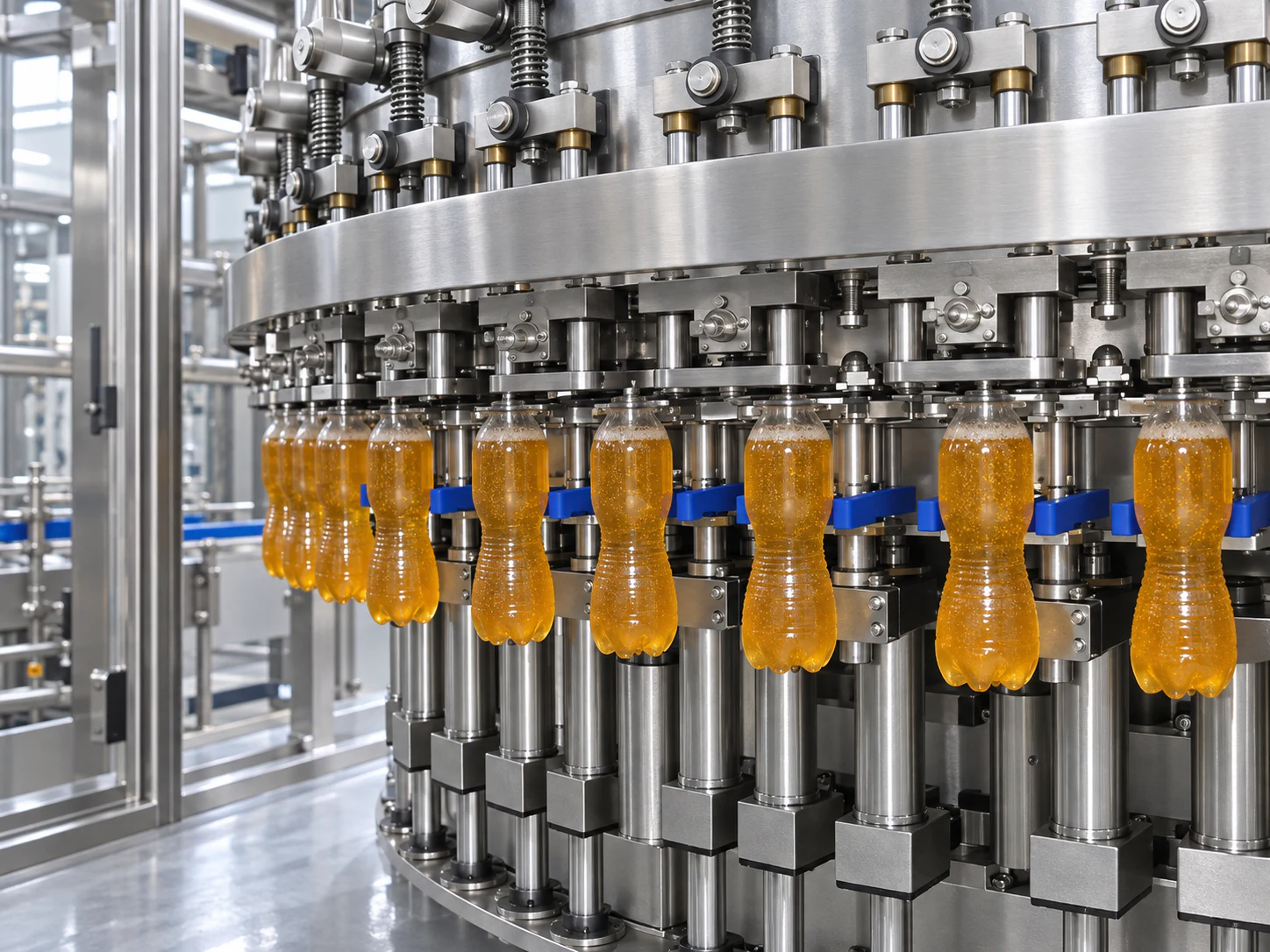
PET bottle route
PET bottle CSD line
For carbonated soft drinks, soda water and sparkling beverages in pressure-rated PET bottles, with optional in-house bottle blowing.
- Pressure-rated PET
- Cap closure
- Bottle blowing optional
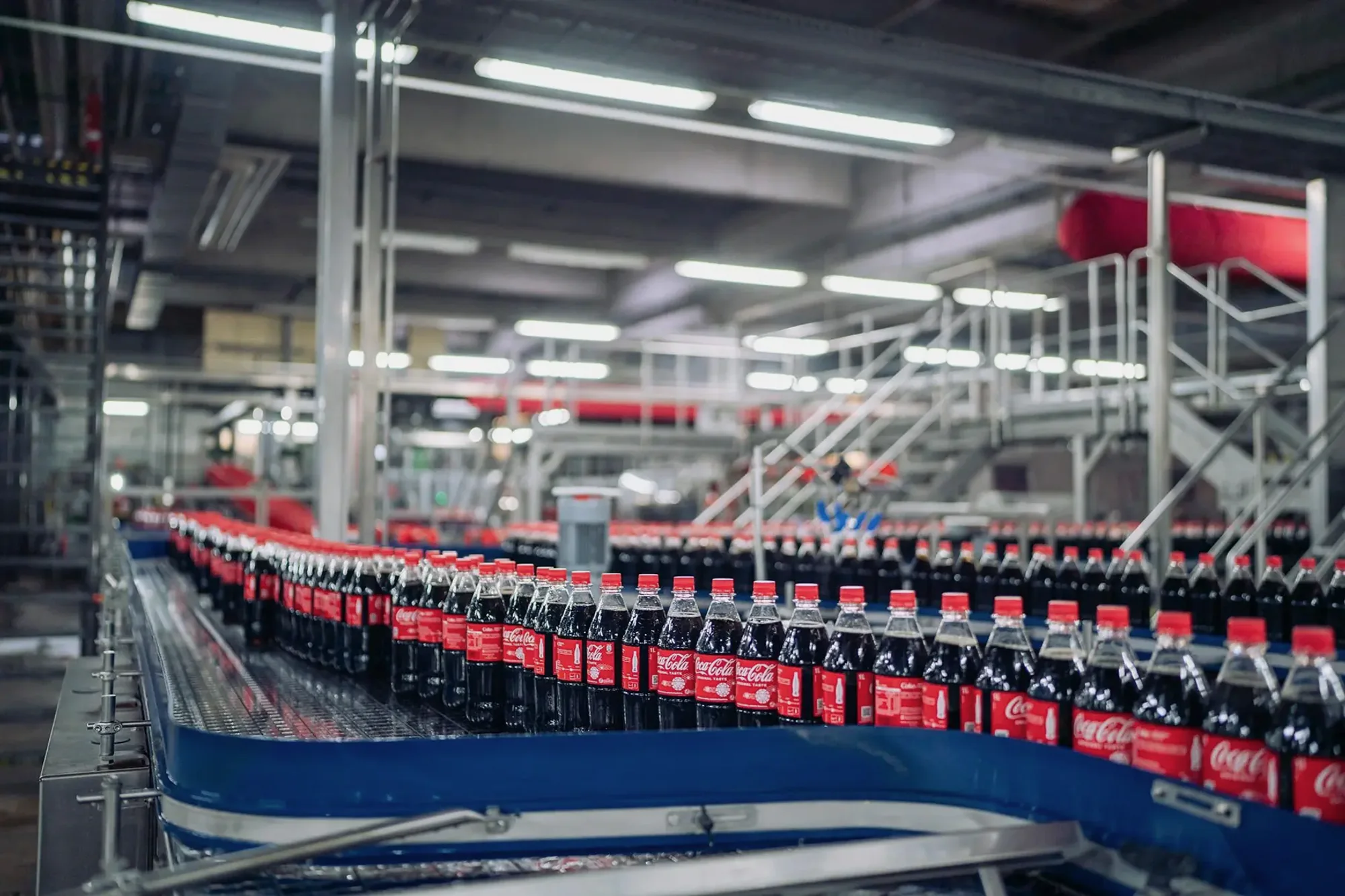
Turnkey carbonated beverage solutions
Connect water and syrup preparation, cooling, carbonation, counter-pressure filling and packaging around one confirmed beverage and container.
Choose your CSD line
PET bottles, glass bottles and cans share the beverage process, but container supply, closure and downstream handling change. Choose the closest route.
PET bottle route
For carbonated soft drinks, soda water and sparkling beverages in pressure-rated PET bottles, with optional in-house bottle blowing.
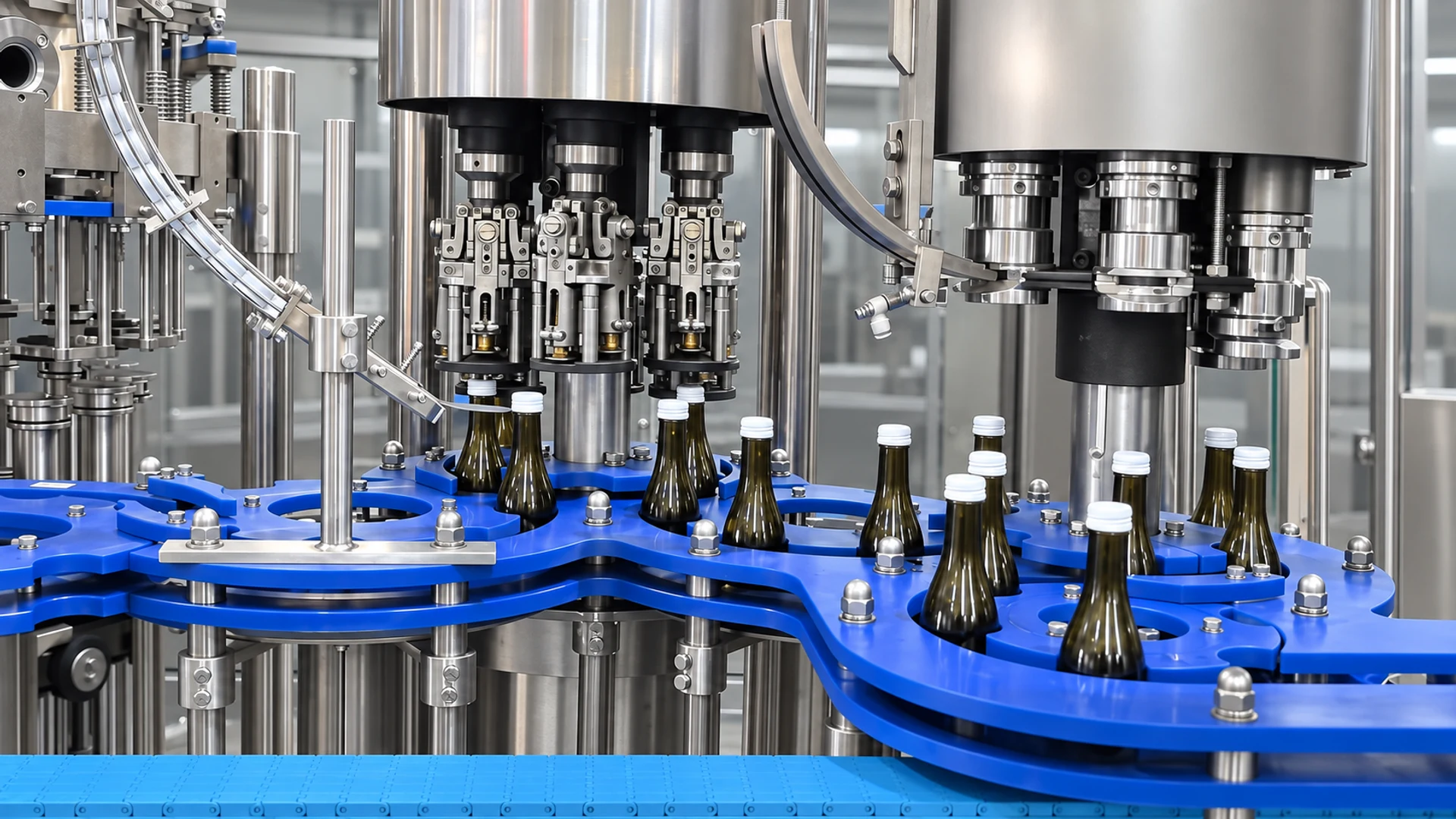
Glass bottle route
For carbonated soft drinks and sparkling beverages in new or returnable glass bottles, with controlled bottle handling and crown or cap closing.
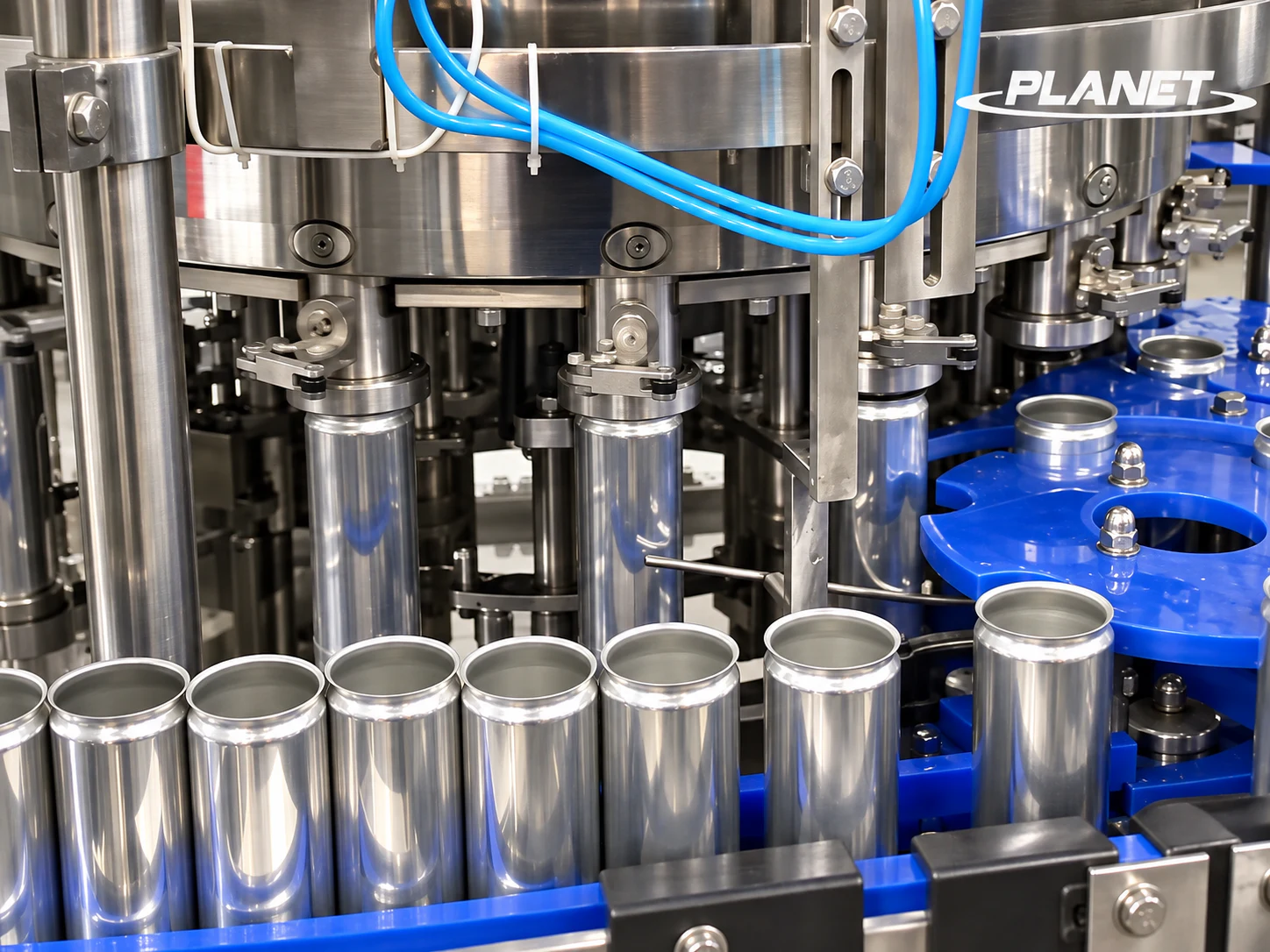
Can route
For carbonated beverages in aluminium or tinplate cans, connecting empty-can handling, counter-pressure filling, seaming and pack preparation.
Published ratings will be added after container size, product condition and engineering test basis are confirmed.
Define the operating basis
The proposal starts with product and package facts. Equipment models follow after these operating conditions are defined.
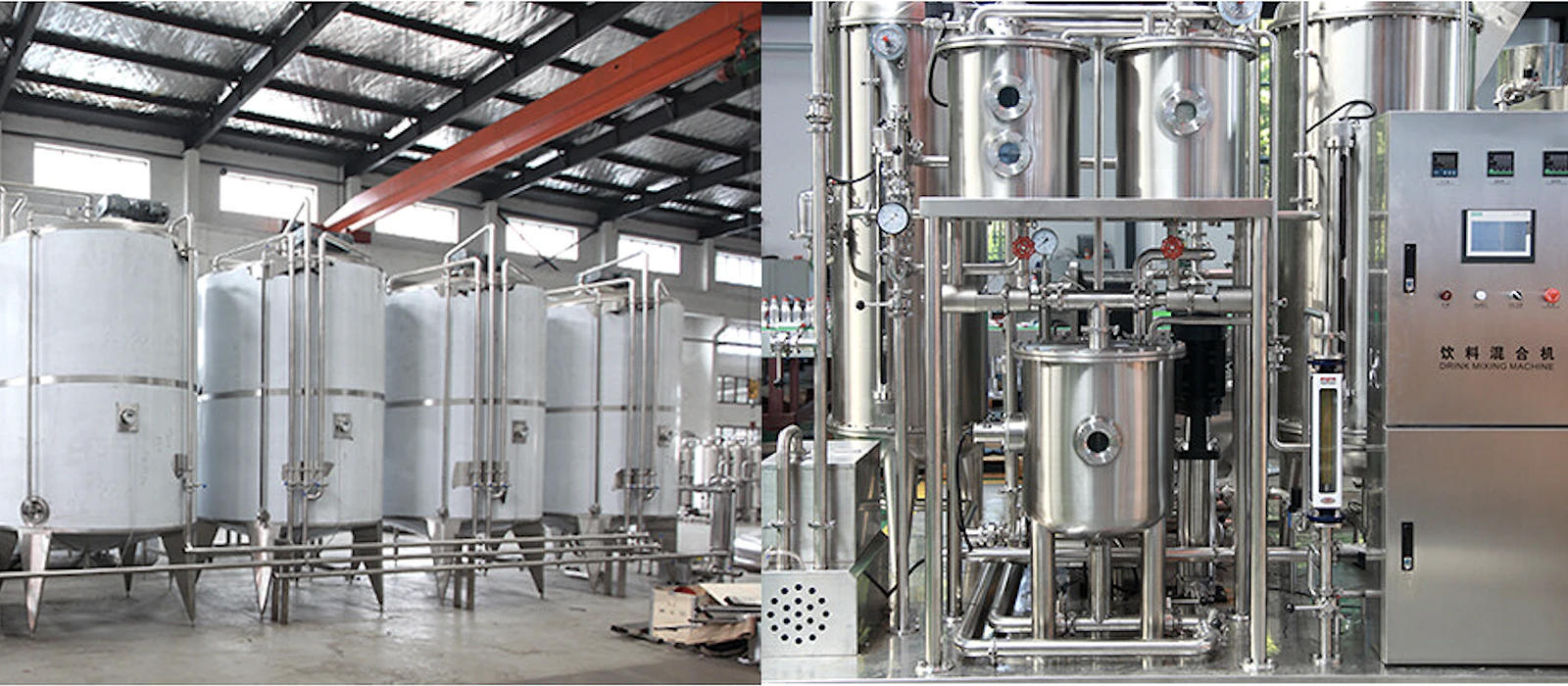
Pre-mixing standardizes the finished beverage ratio so sugar and CO₂ remain consistent from bottle to bottle. Designed for high-speed continuous production, it is the standard preparation process for carbonated drinks.
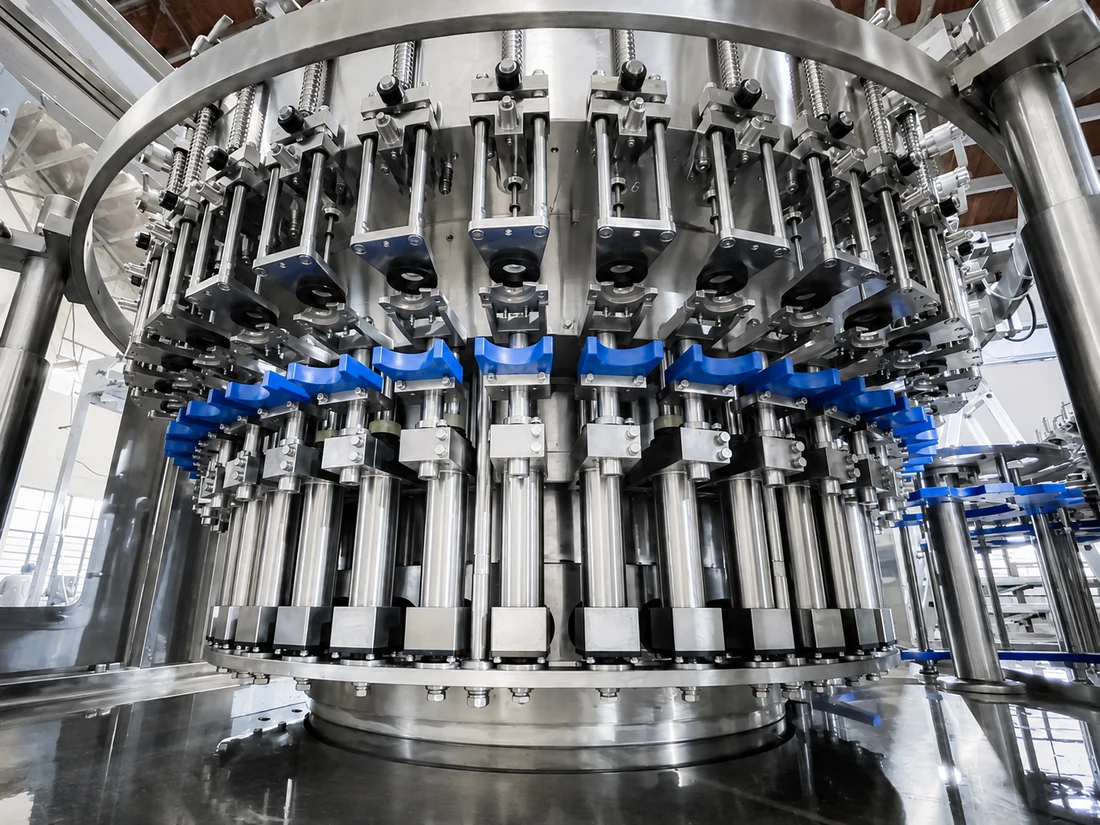
Stable automatic filling control adapts flexibly to different containers, including PET bottles, glass bottles and cans.
Hot-melt OPP, adhesive and shrink-sleeve labeling machines cover the main label formats in the market. We can also help customers develop their label designs.
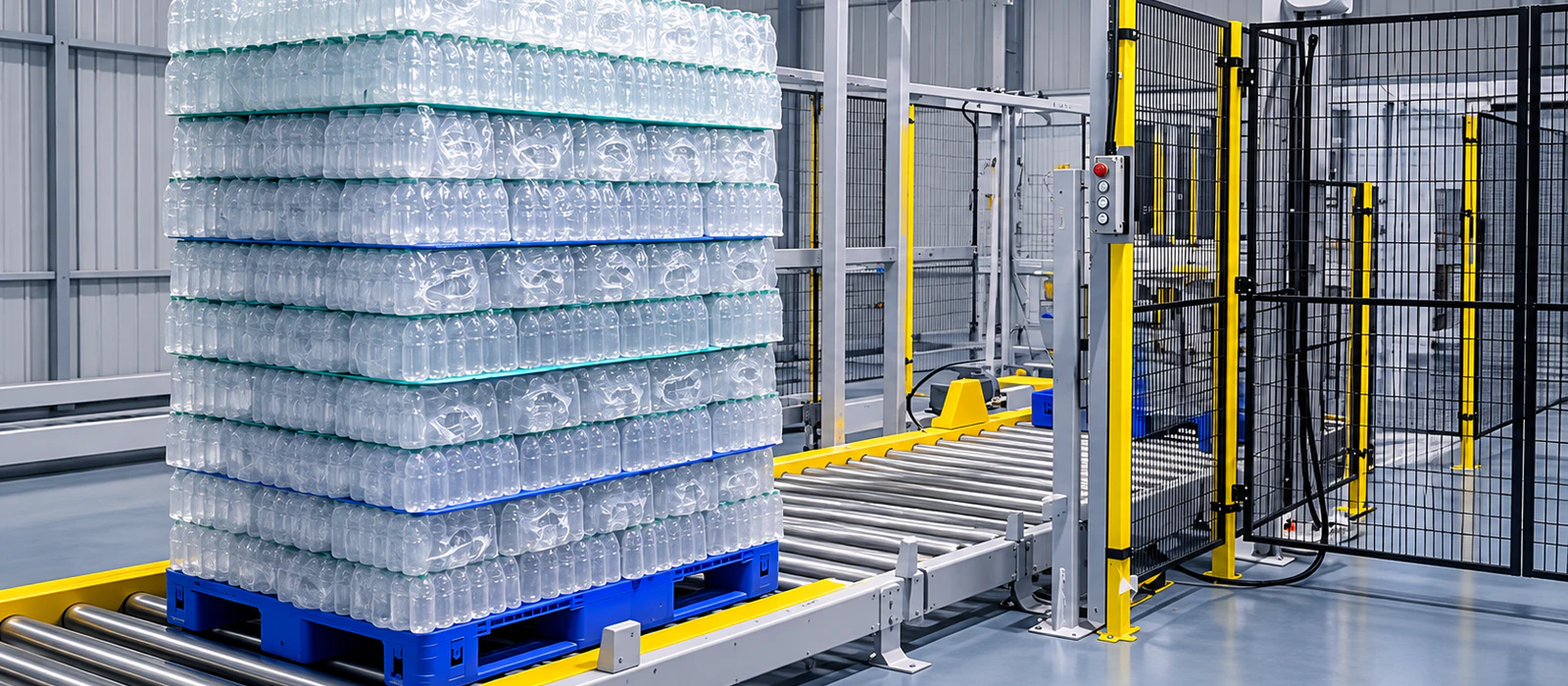
Beyond standard shrink wrapping, we provide case packing, half-tray shrink wrapping and other packaging solutions. Palletizer configurations are matched to the required capacity and customized project needs.
Complete line scope
Switch formats to see where PET bottle, glass bottle and can handling diverge around the same preparation and carbonation core.
Pressure-rated PET route
The PET line joins treated water and syrup preparation to chilling, carbonation, bottle supply, counter-pressure filling and finished-pack handling.
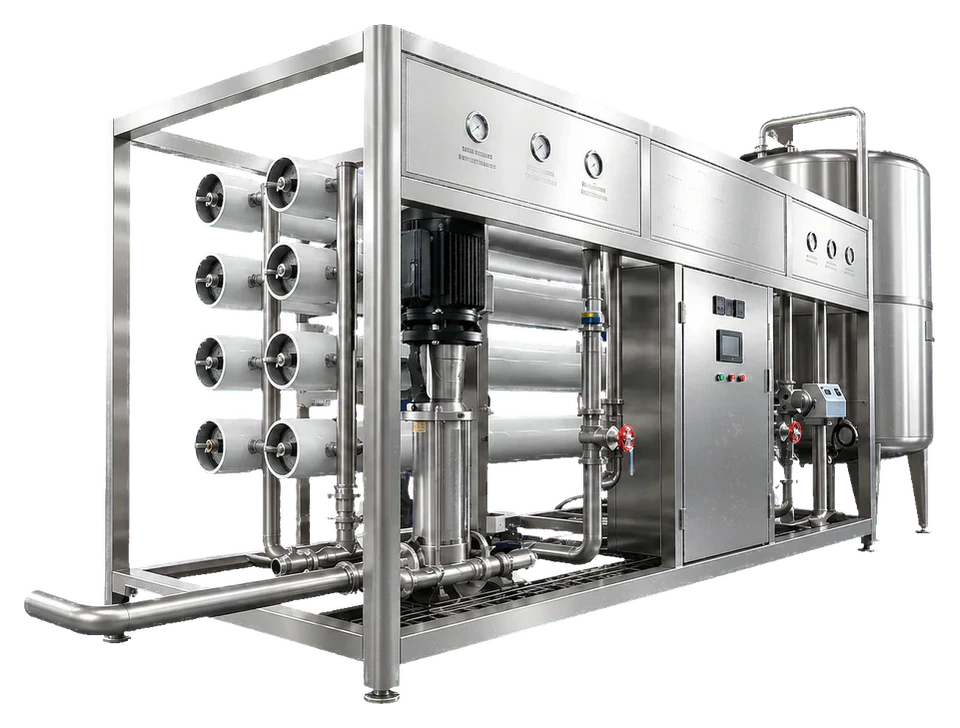
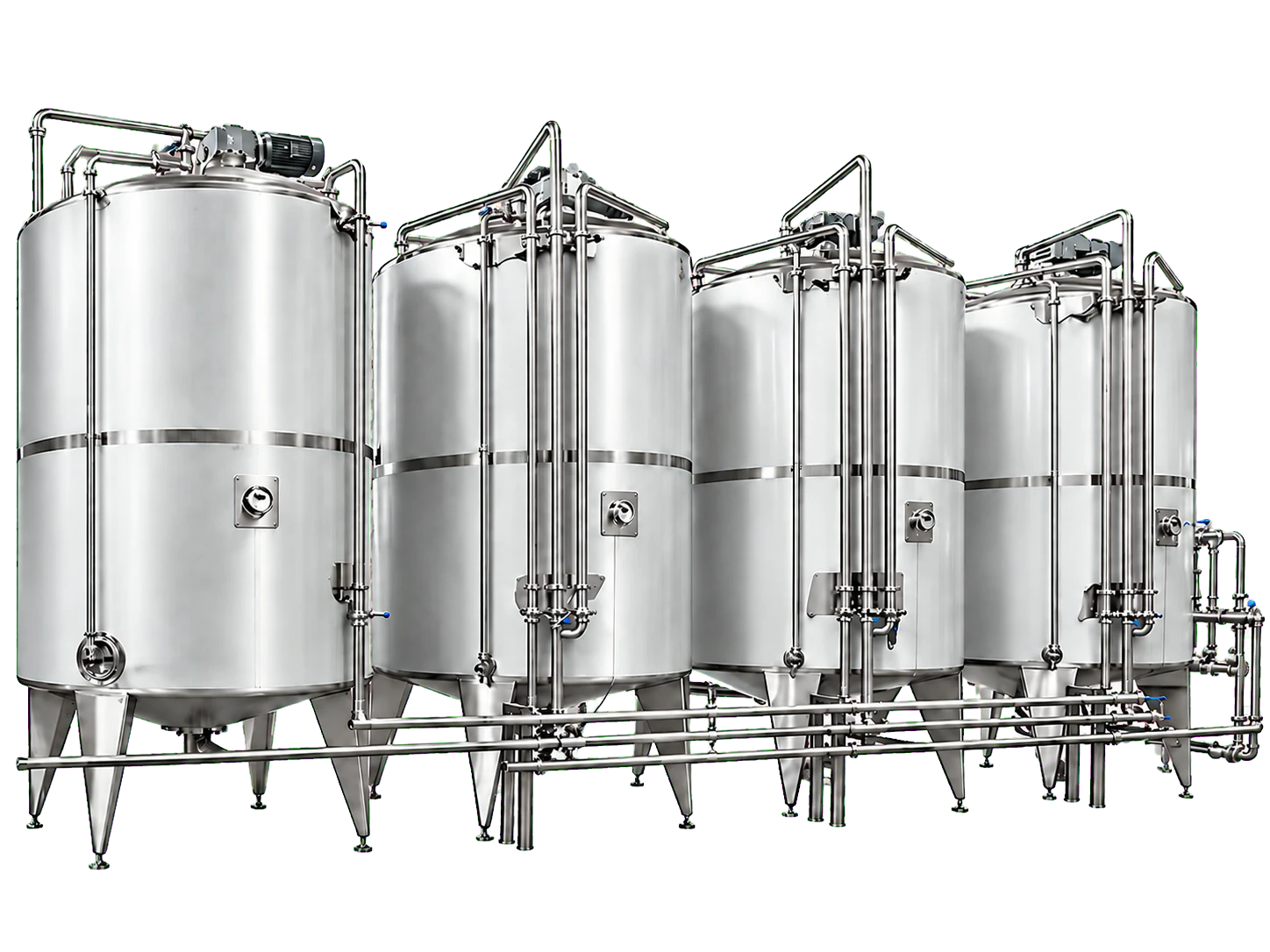
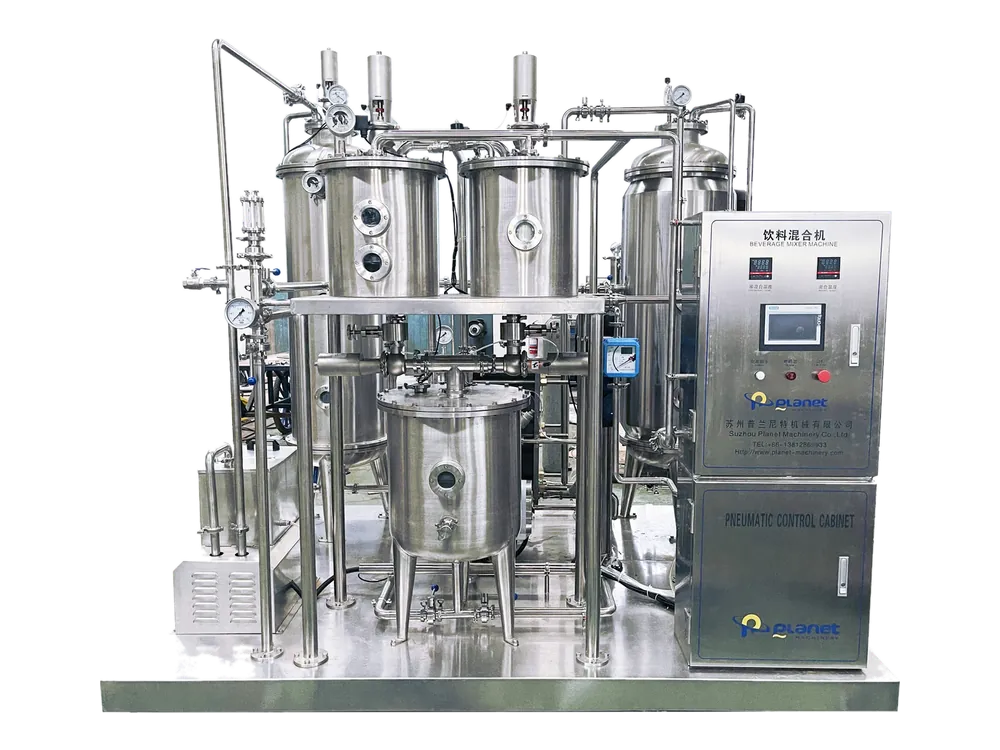
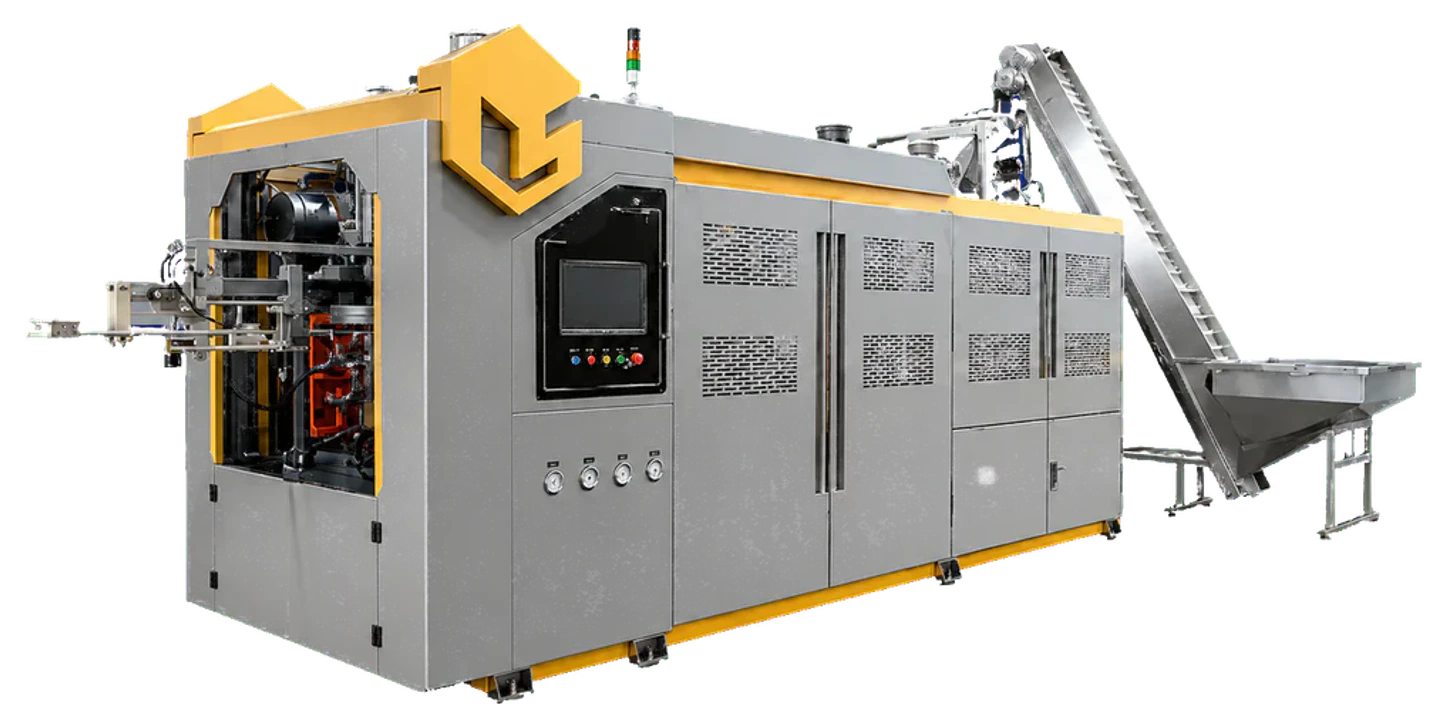
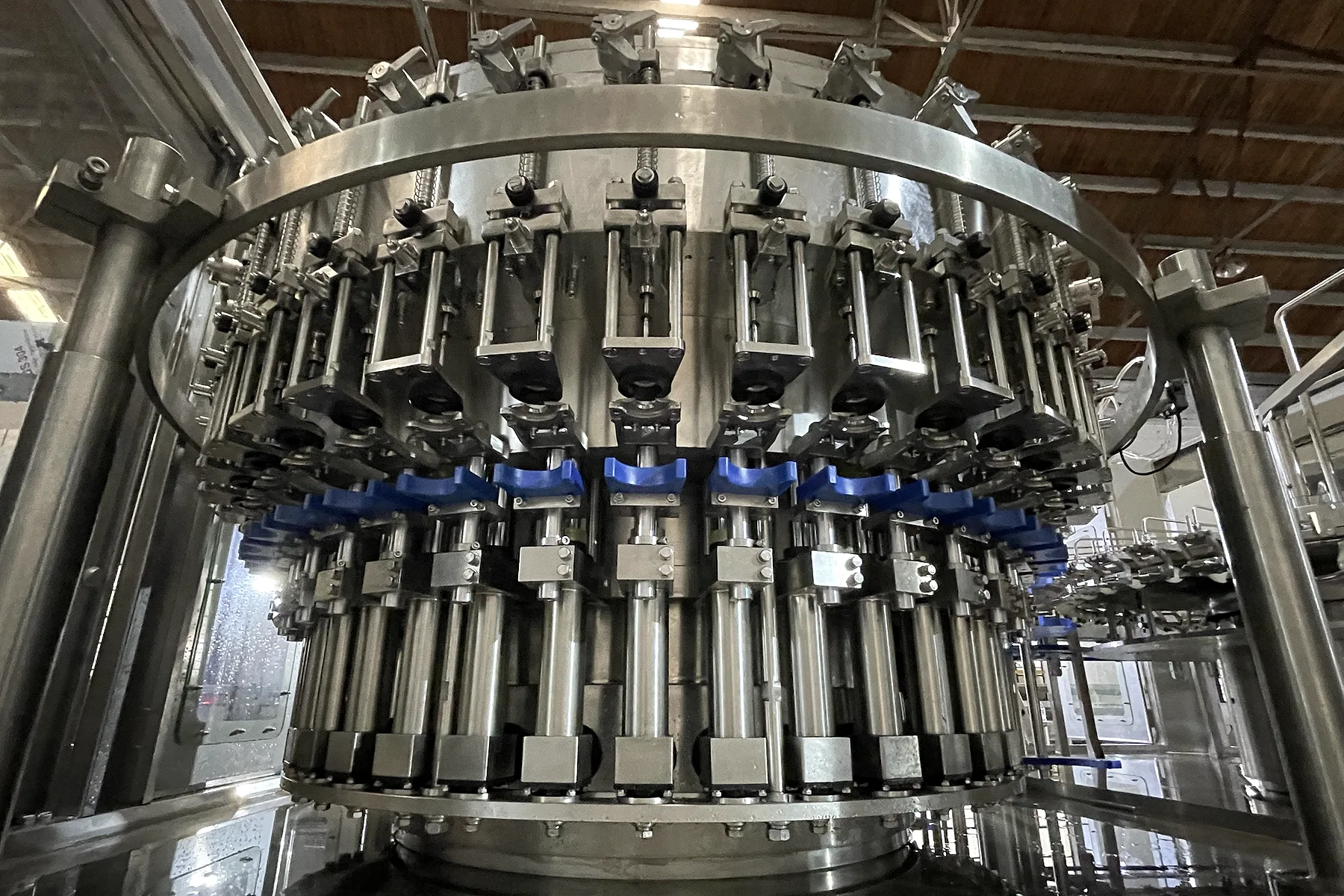
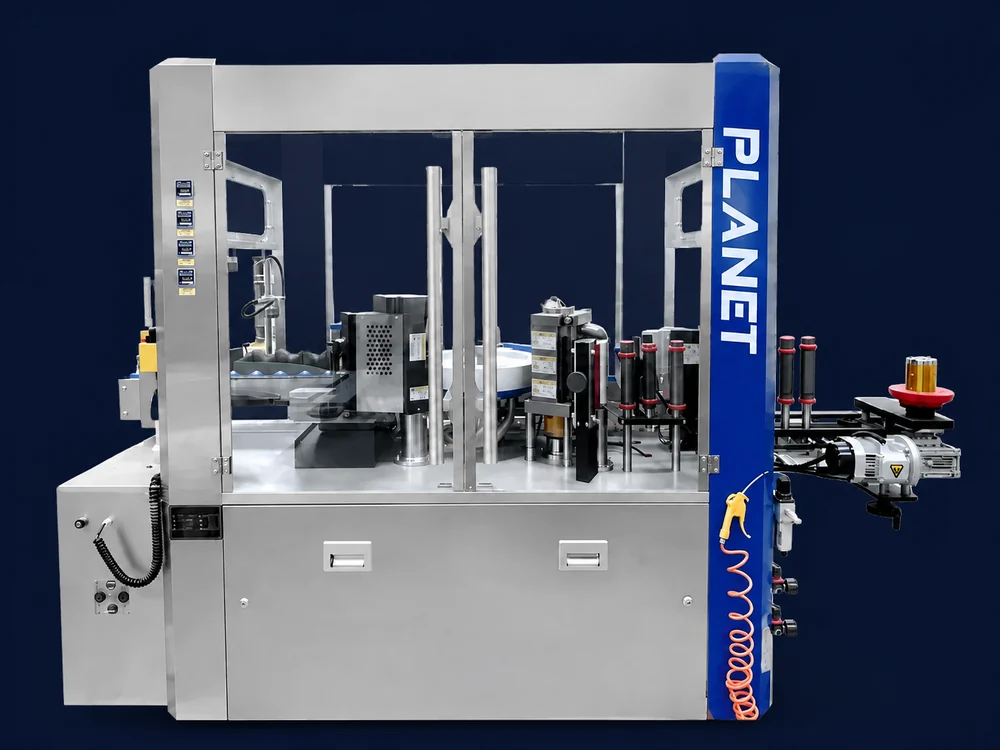
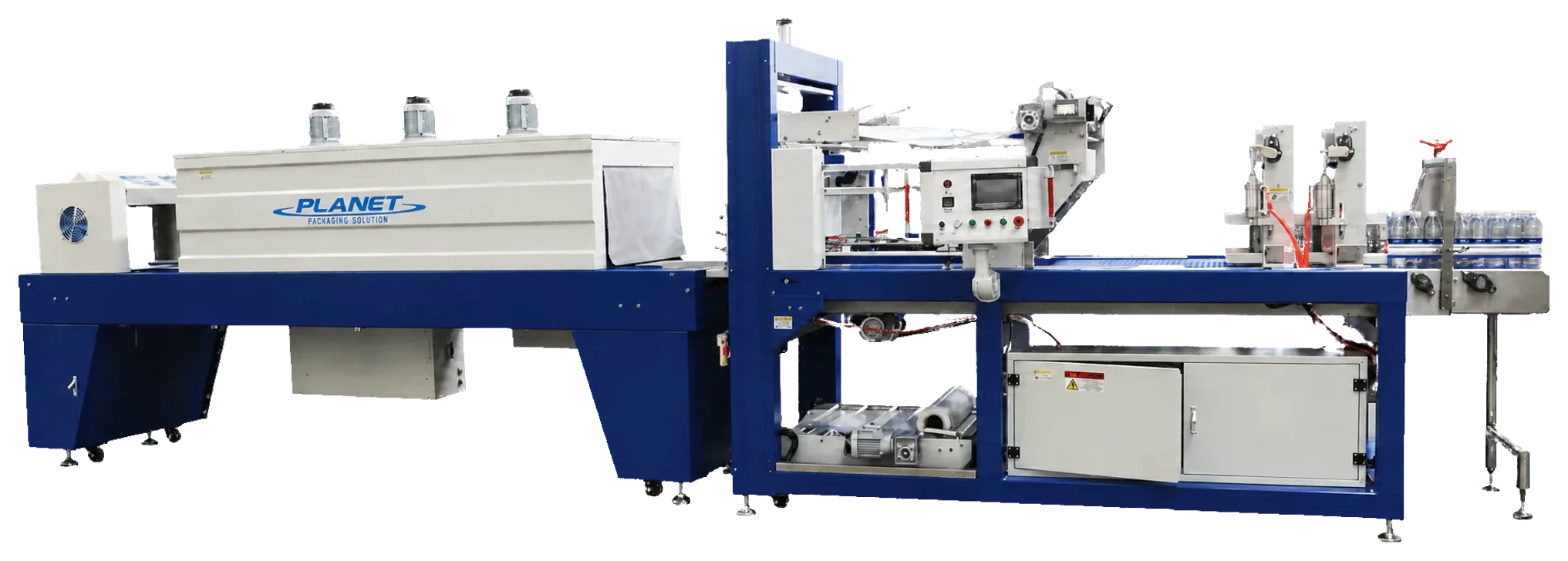
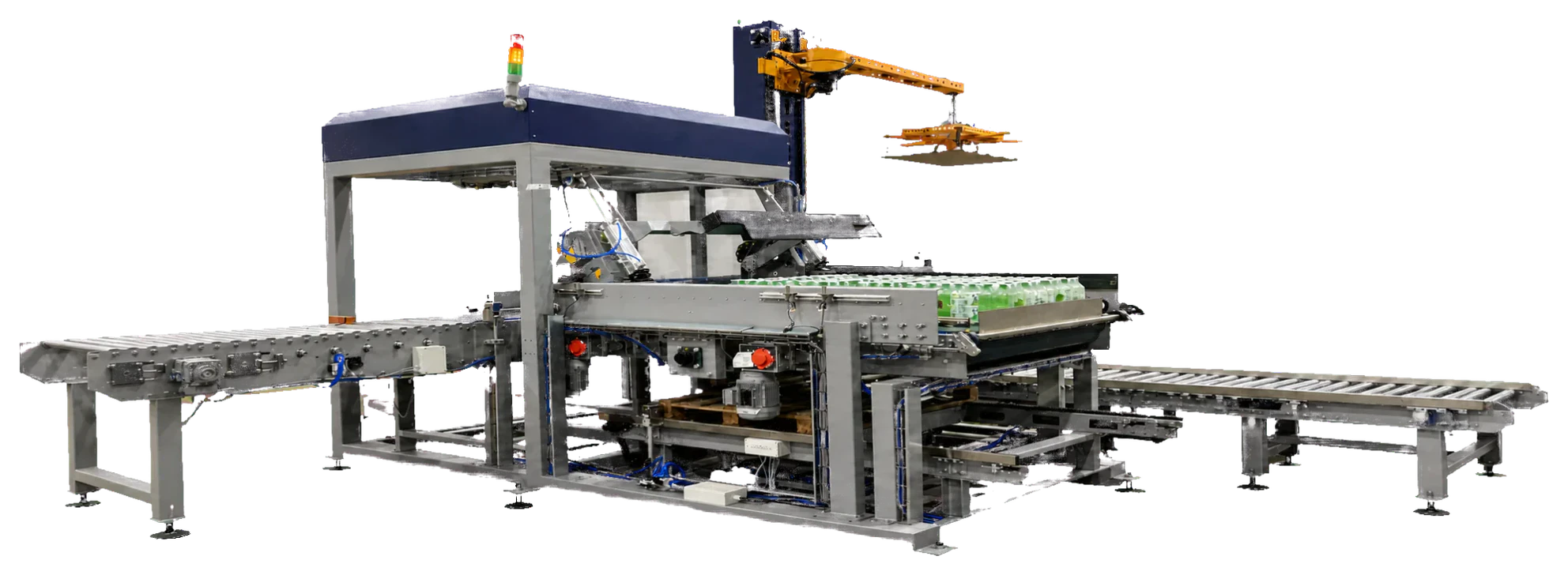
Container supply runs in parallel with beverage preparation and meets it at filling. Images illustrate process stages; returnable-bottle washing and any warming or thermal treatment are configured for the project.
New or returnable glass route
The glass route joins the common preparation and carbonation core to depalletizing, bottle inspection or washing, counter-pressure filling, crown or cap closing and protective secondary packaging.
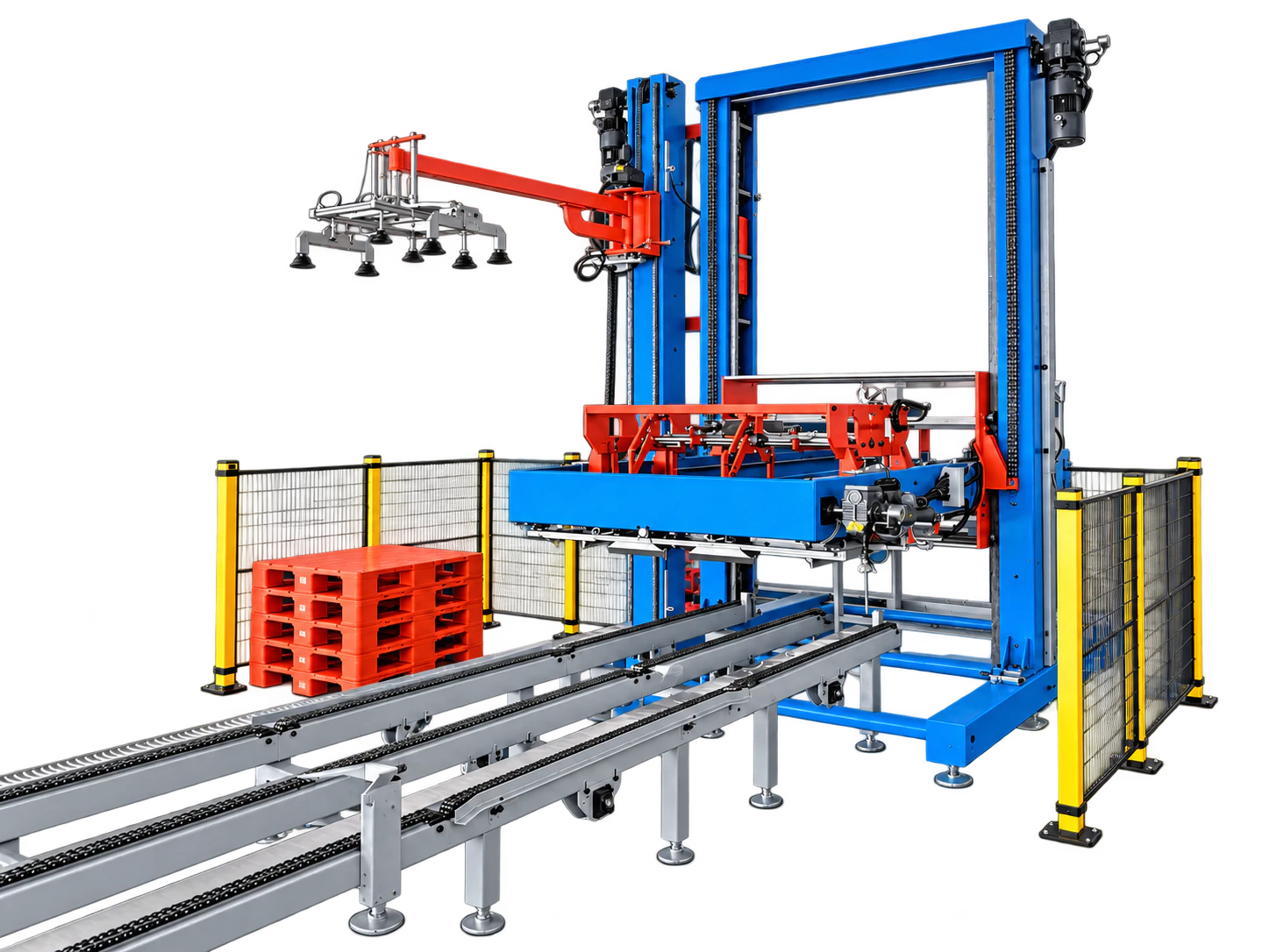
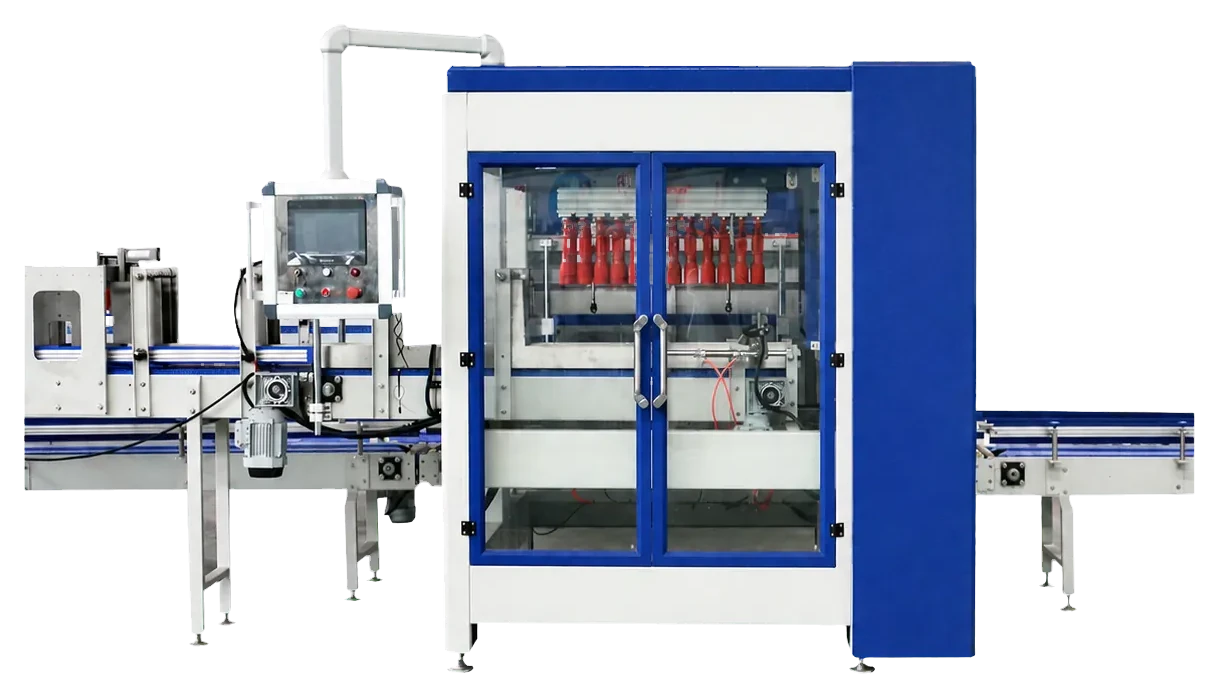
Container supply runs in parallel with beverage preparation and meets it at filling. Images illustrate process stages; returnable-bottle washing and any warming or thermal treatment are configured for the project.
Aluminium or tinplate can route
The can line uses the same product-preparation logic, then changes the container route to depalletizing, rinsing, counter-pressure filling, seaming and downstream thermal or pack handling.
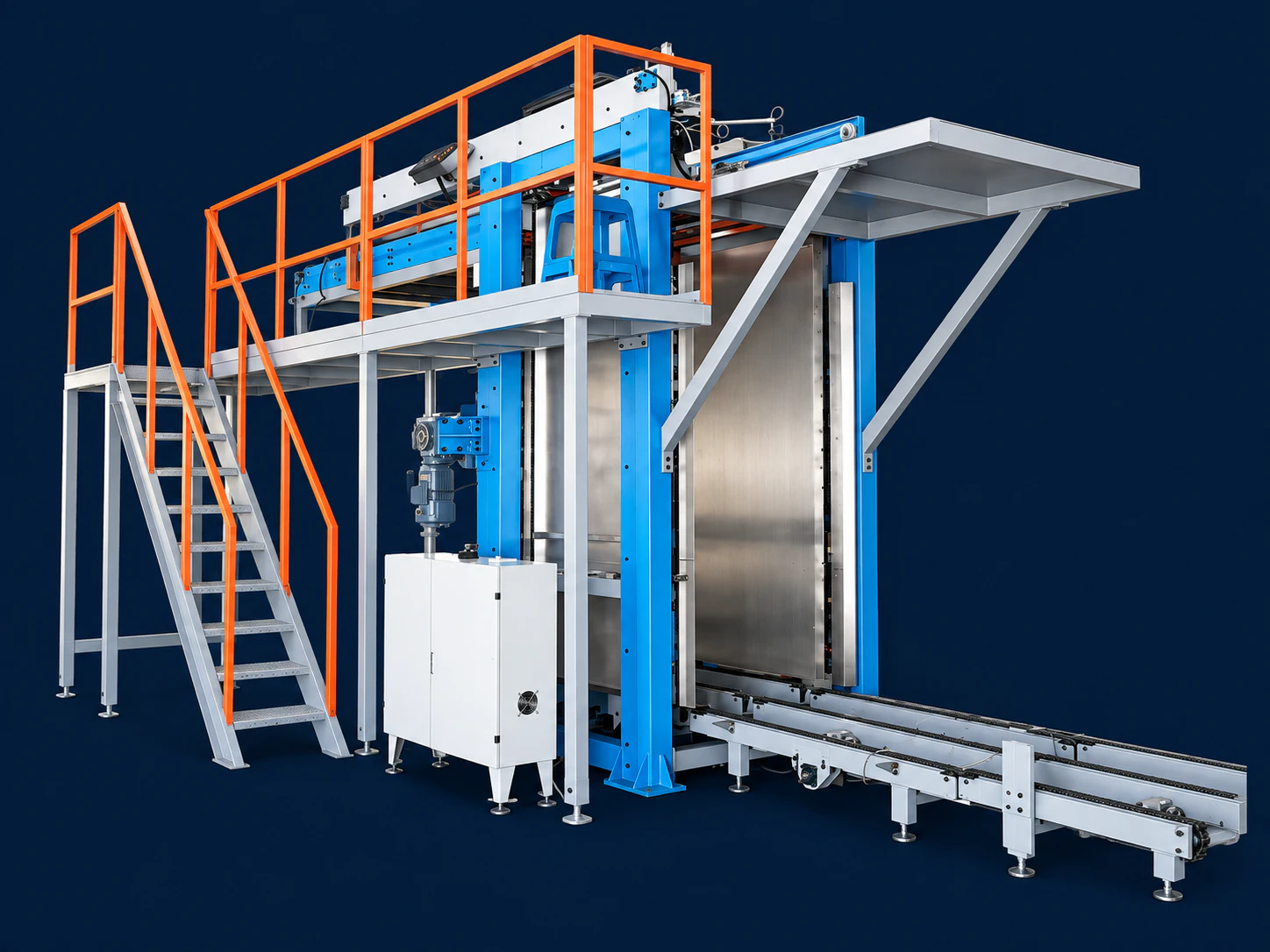
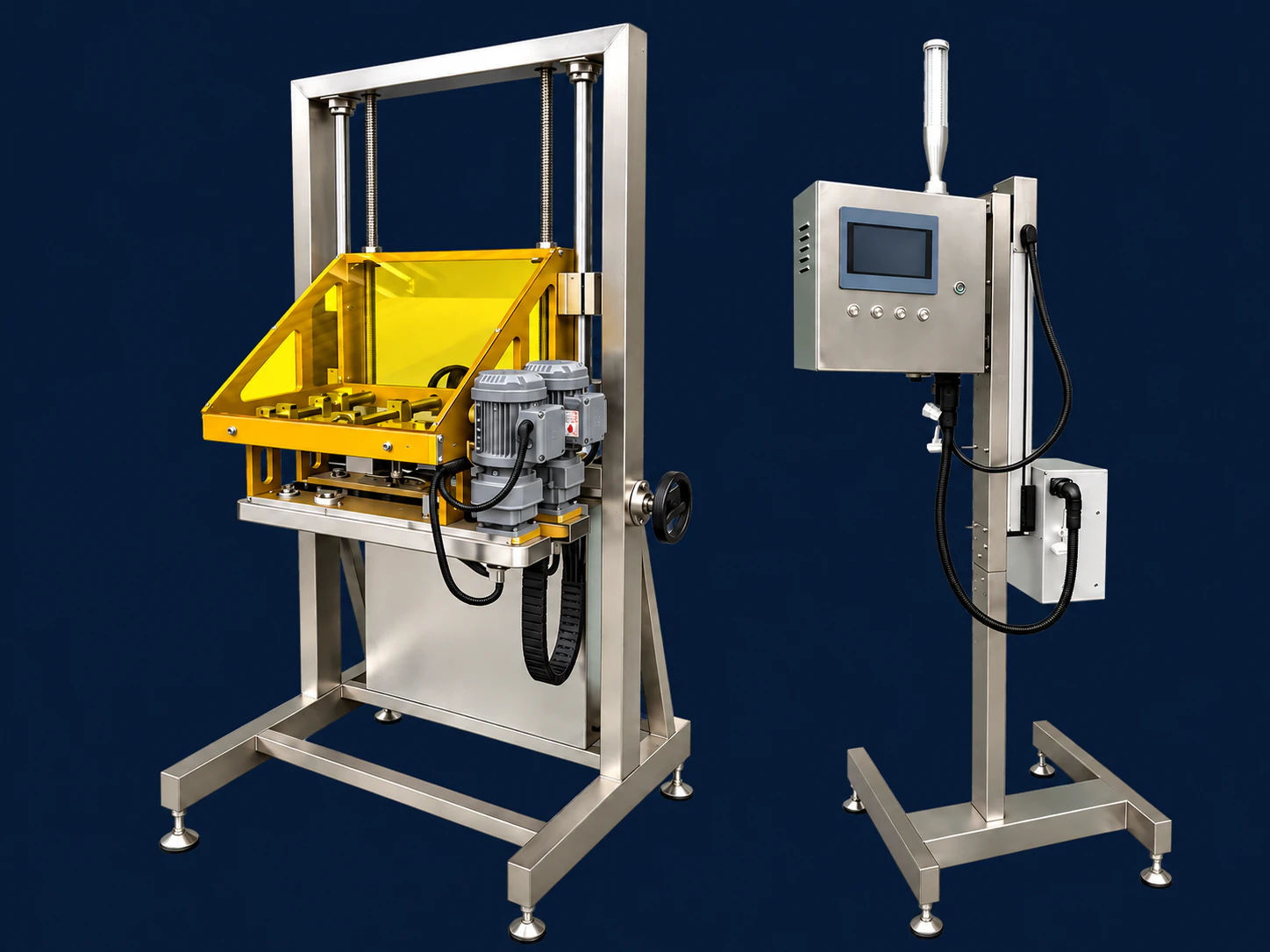
Container supply runs in parallel with beverage preparation and meets it at filling. Images illustrate process stages; returnable-bottle washing and any warming or thermal treatment are configured for the project.
Define the product
Start with the beverage and its package. PET bottles, glass bottles and cans each bring different requirements for container supply, closure and finished-pack handling.
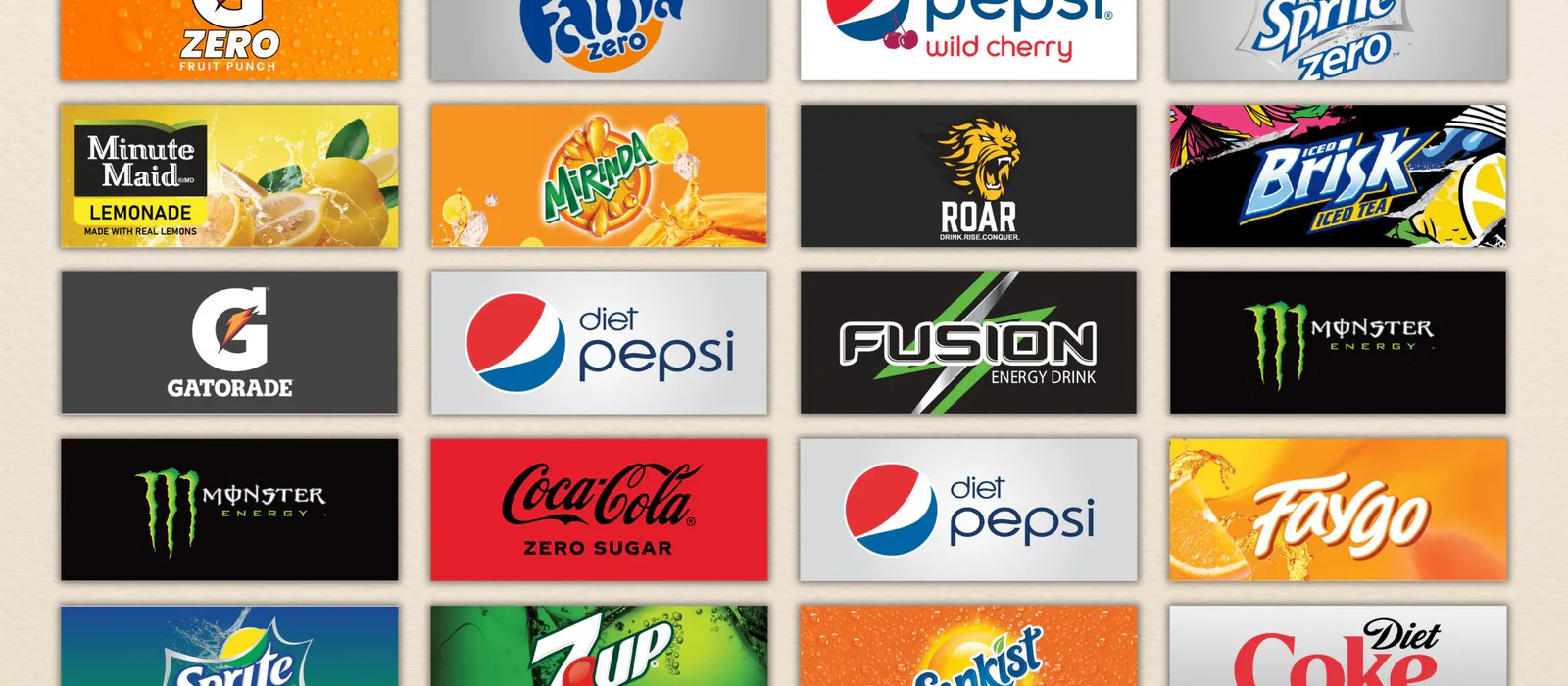
Illustrative product concepts, not customer products. Final bottle, can, closure and recipe specifications are confirmed for your project.
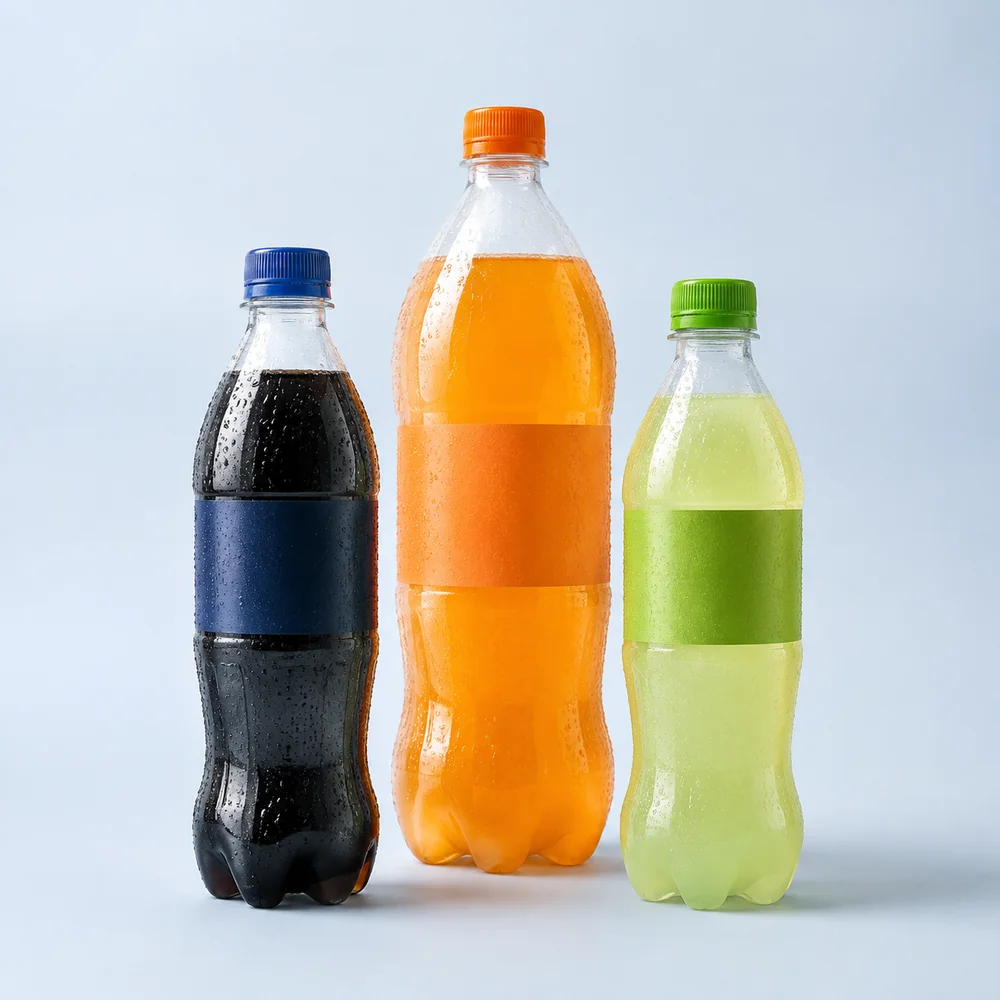
Cola, citrus soda and sparkling beverages in lightweight PET bottles, from individual servings to larger sharing formats.
Explore this format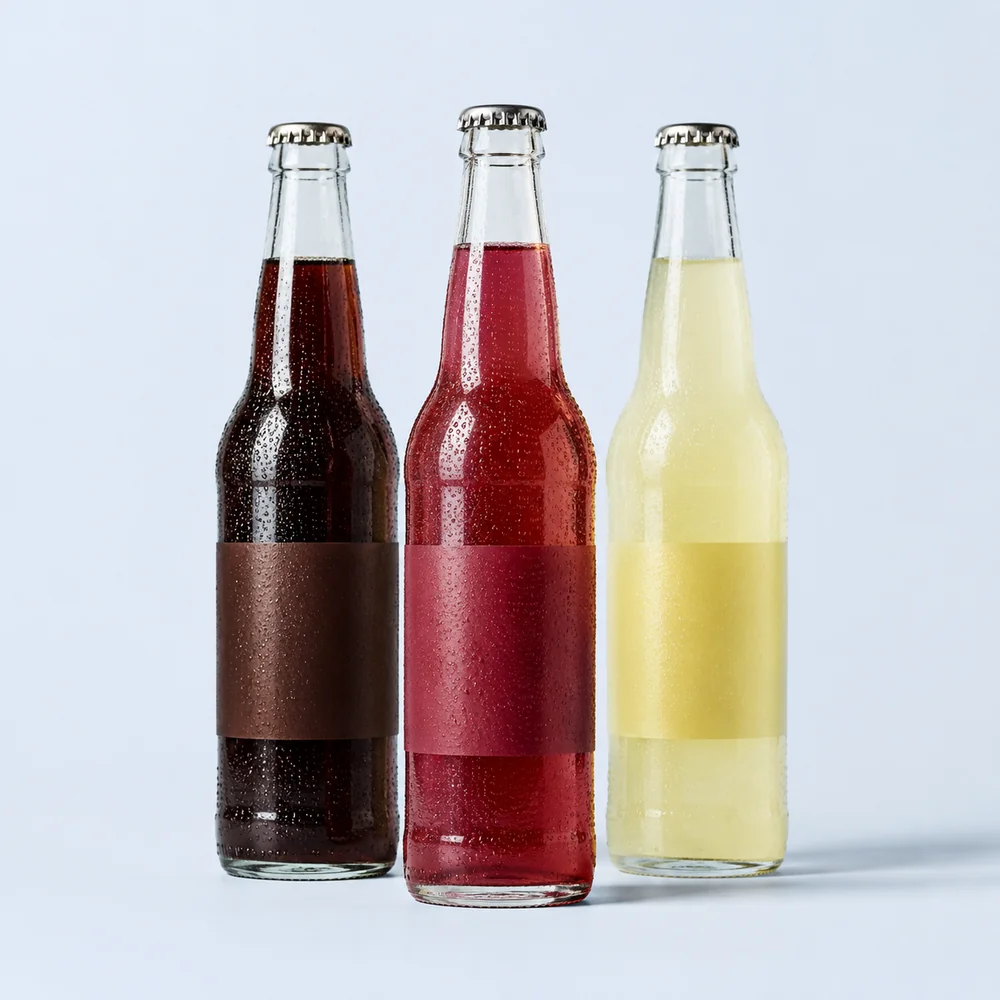
Cola and fruit-flavoured sparkling drinks in glass bottles. New and returnable formats follow different bottle-preparation routes.
Explore this format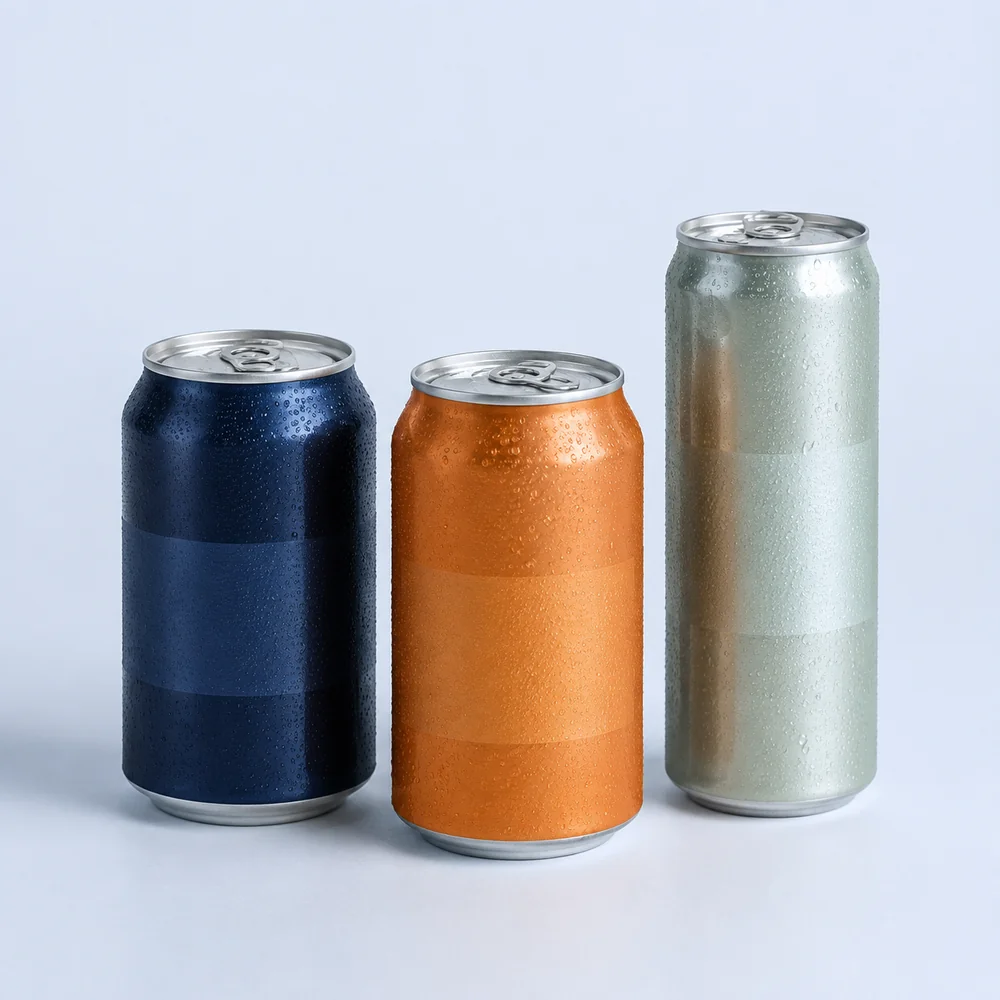
Carbonated soft drinks in standard or sleek cans, with the can body and end selected together for filling and seaming.
Explore this formatCSD line FAQ
Detailed specifications belong to the PET, glass bottle and can route pages after engineering confirmation.
Share the beverage type and recipe status, target CO₂ level, filling temperature, container drawing, closure, nominal output, final pack and available utilities. Planet then confirms which values still require product trials or engineering review.
Choose from market position, distribution, package cost, returnability and the closure route—not filler speed alone. PET can support in-house blowing, glass prioritizes stable low-impact handling and may be returnable, while cans use a defined body and end with seaming.
A carbonated beverage contains dissolved CO₂. Counter-pressure filling balances pressure during transfer so the product enters the container with less foaming and gas loss. The final method depends on product temperature, carbonation and package specification.
Not yet. A defensible capacity requires a test basis including package size, product temperature, carbonation level and operating conditions. The project pages will publish model data only after those fields are confirmed by engineering.
It can be. The PET route may start with preforms and an integrated blow moulder or receive formed empty bottles. Bottle design and pressure performance must be approved before the blow-and-fill scope is fixed.
No. The thermal process depends on the recipe, microbiological risk, filling condition, shelf-life target and distribution plan. Engineering should confirm whether a warmer, tunnel pasteurizer or another downstream process is required.
Send us the product, package format and target output. We return a line configuration and budgetary quote.
Inquiry received
Our engineering team will respond within 24 hours with a line configuration.
Reference —