
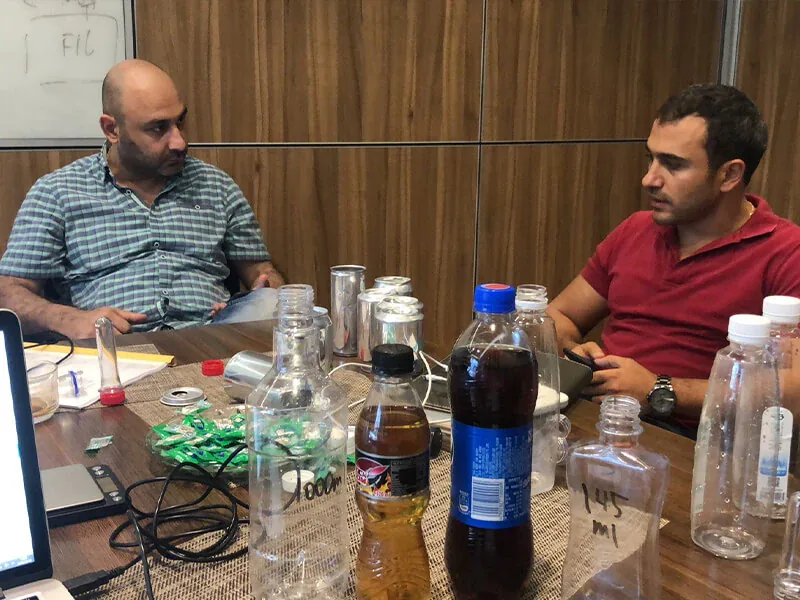
First CSD line
Liberia
A first carbonated-drink line developed from product and package discussions.
- Application
- Carbonated soft drinks
- Project focus
- First CSD line
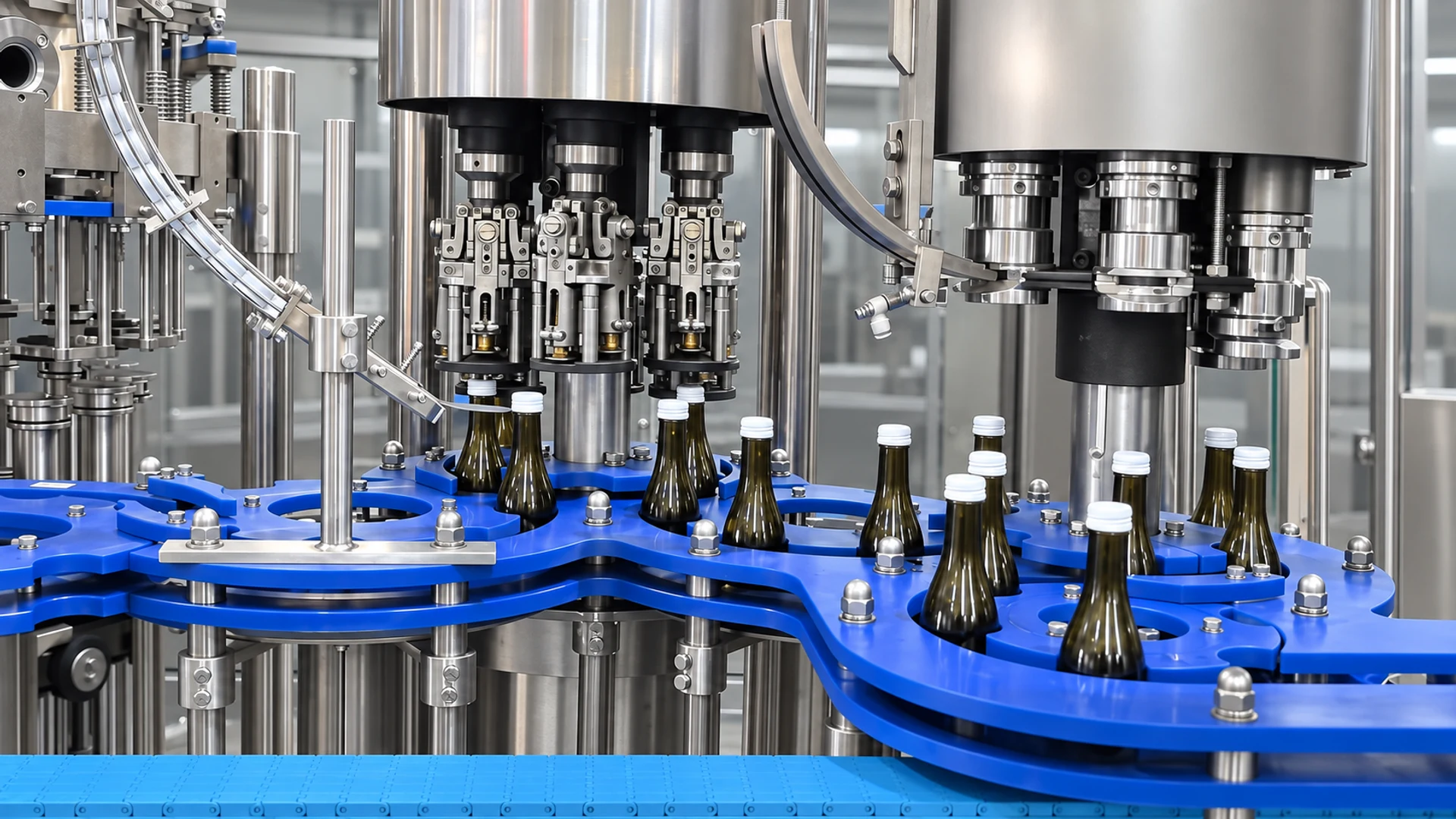
CSD SOLUTION / GLASS BOTTLE
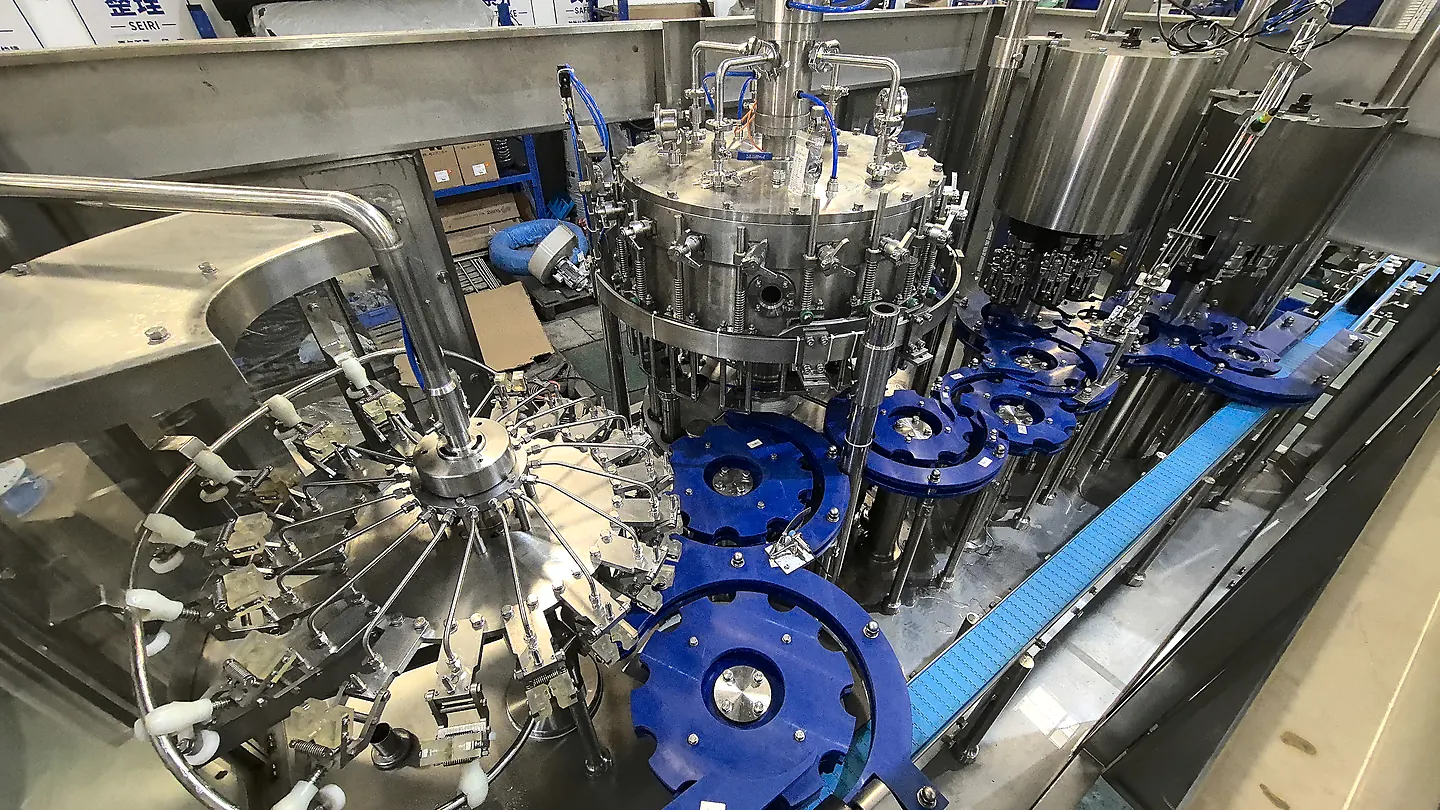
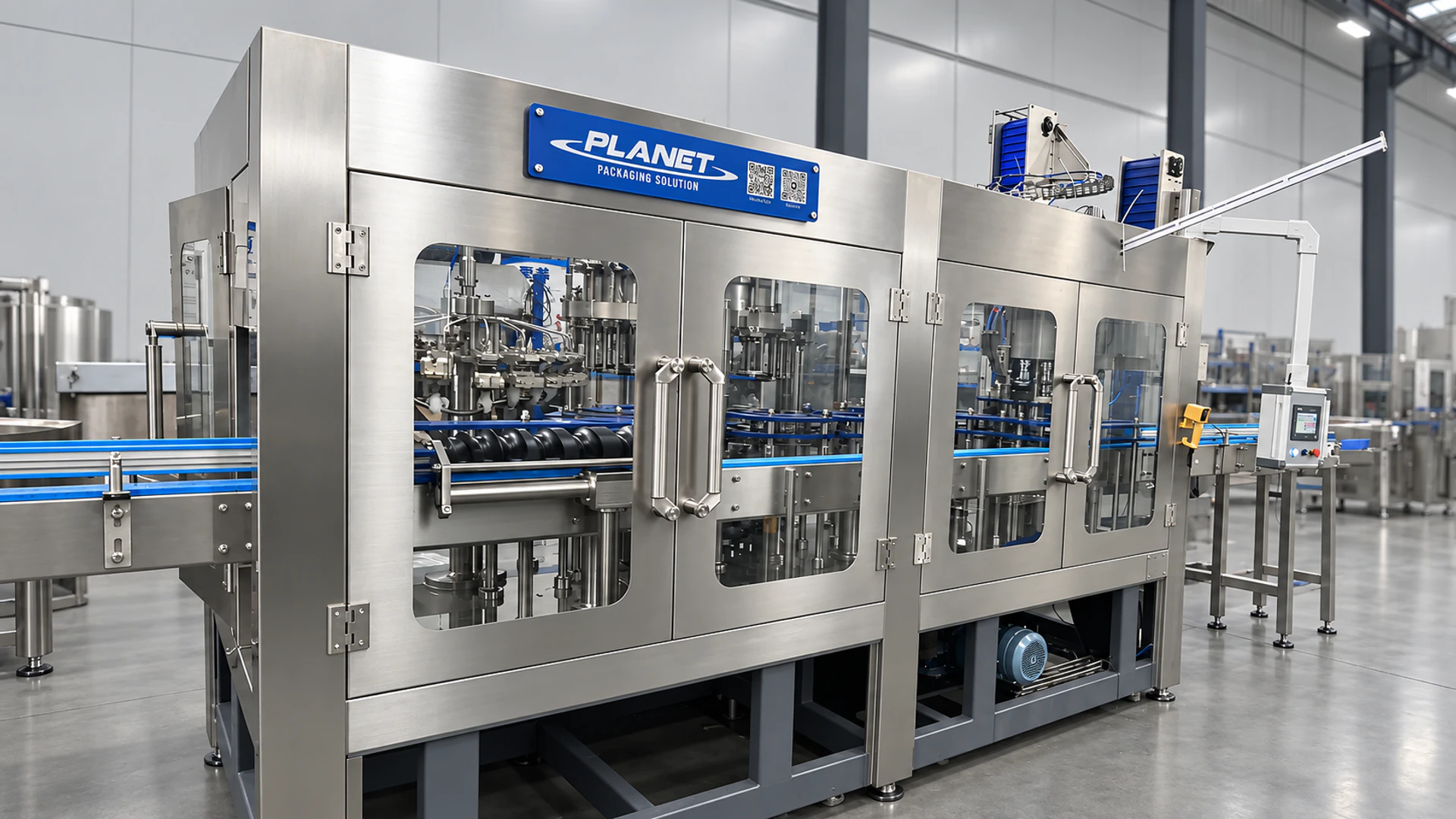
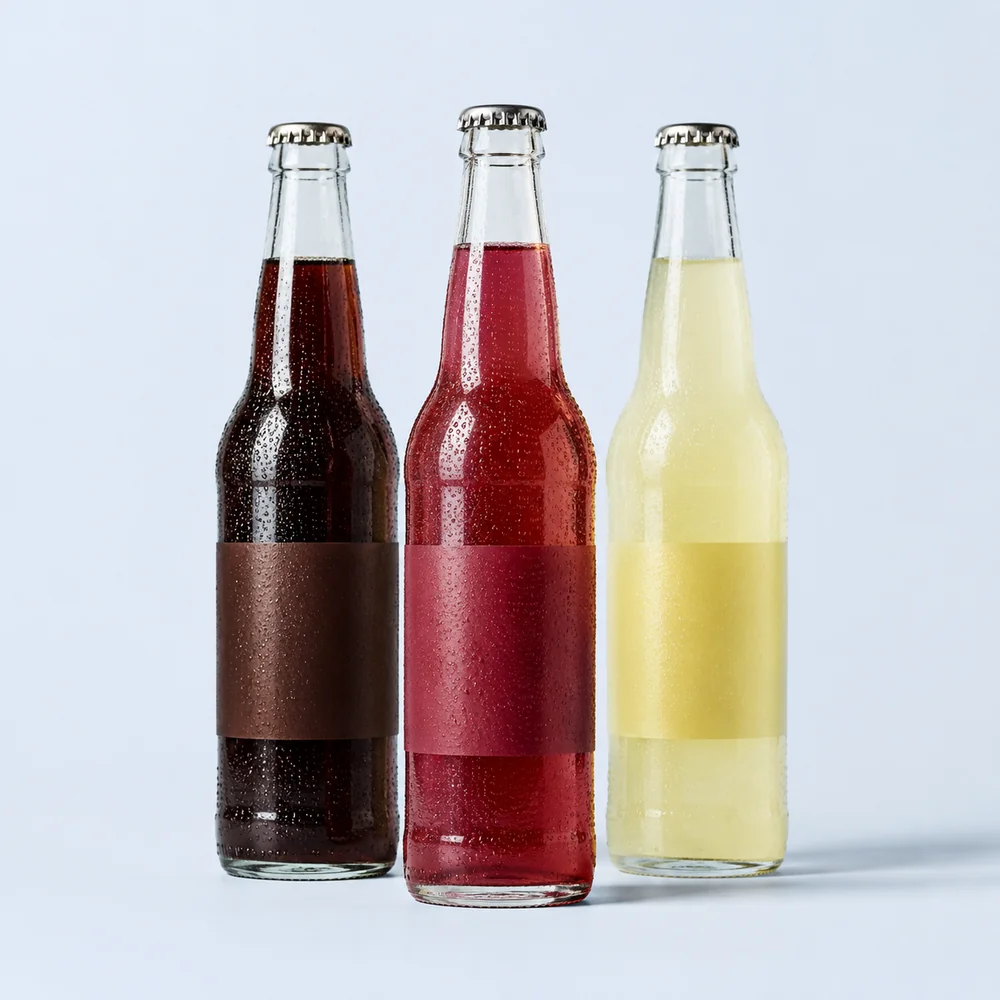
Counter-pressure filling for carbonated soft drinks in returnable and one-way glass, from bottle unscrambling through crowning to case packing.
REQUEST A LINE PROPOSALLine overview
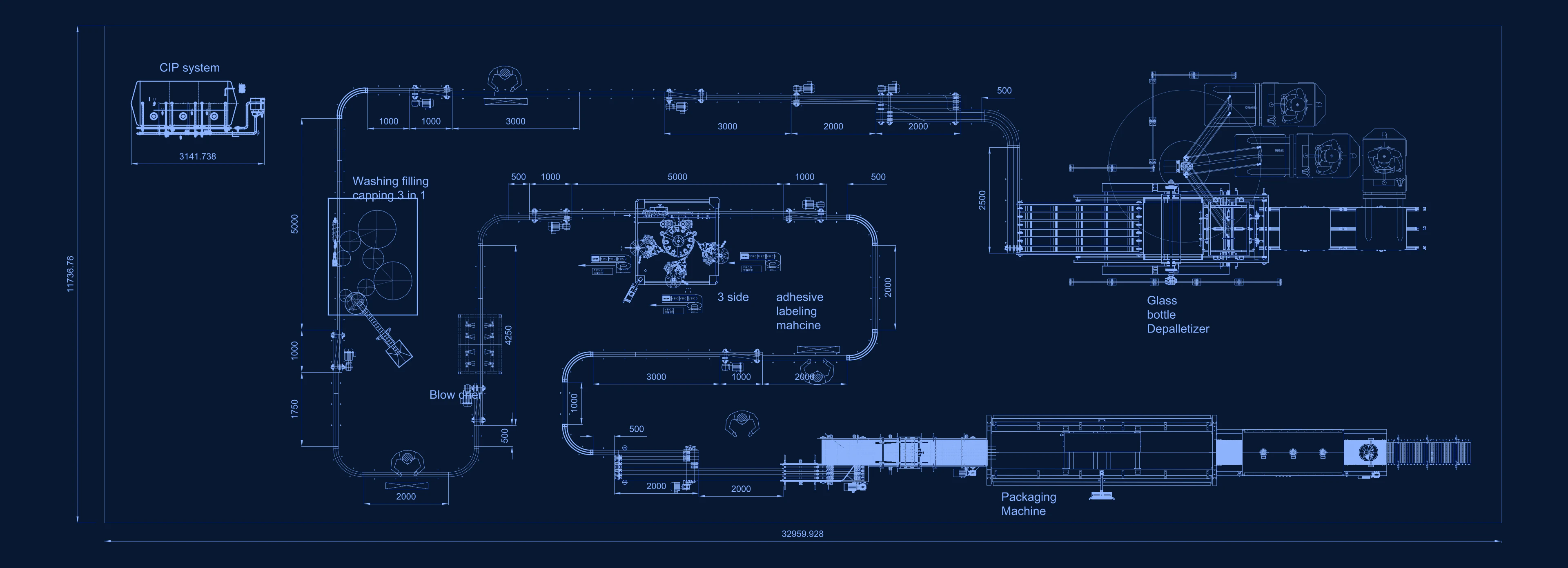
Bring beverage preparation, bottle handling, counter-pressure filling, closing and downstream packing into one coordinated production flow. Start with the beverage, bottle, closure and output requirements.
Production walkthrough
Review bottle preparation, filling and closing together with product conditions and line interfaces. Each part of the route should support the same production plan.
Key features
Six areas to review when bringing the beverage, bottle, closure and equipment together.
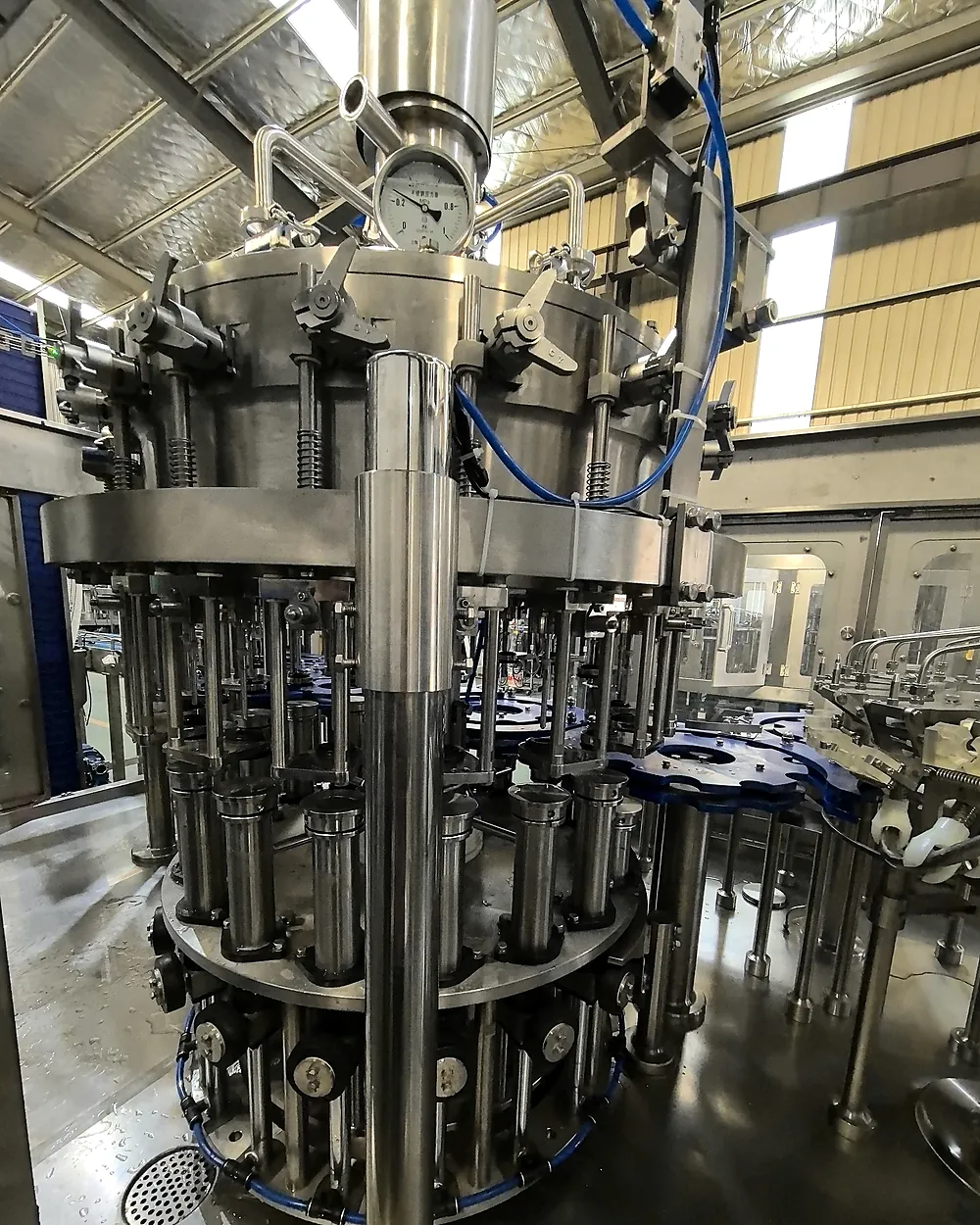
Coordinate product temperature, filling pressure and valve settings to control foaming and CO₂ loss.
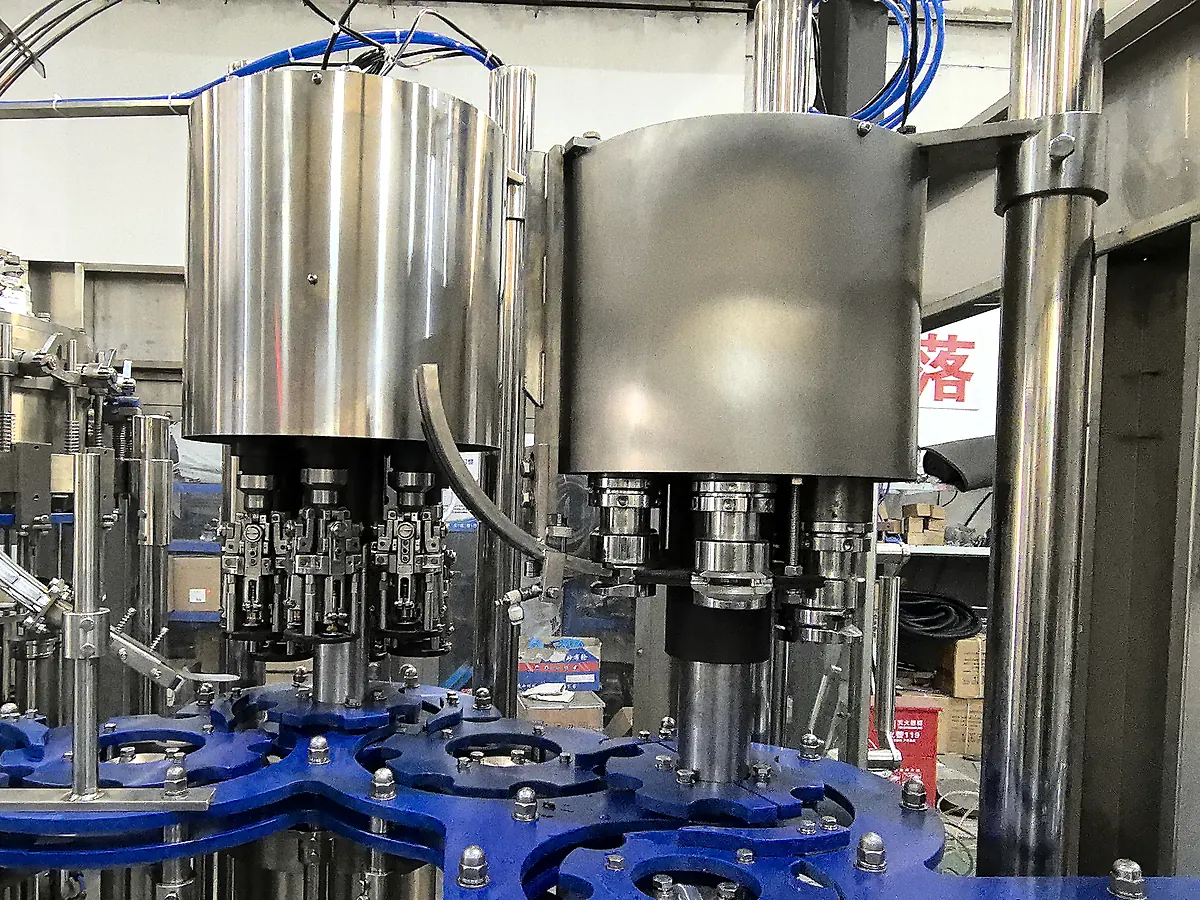
Review the glass bottle drawing, neck finish, crown or screw closure and closing tooling together.
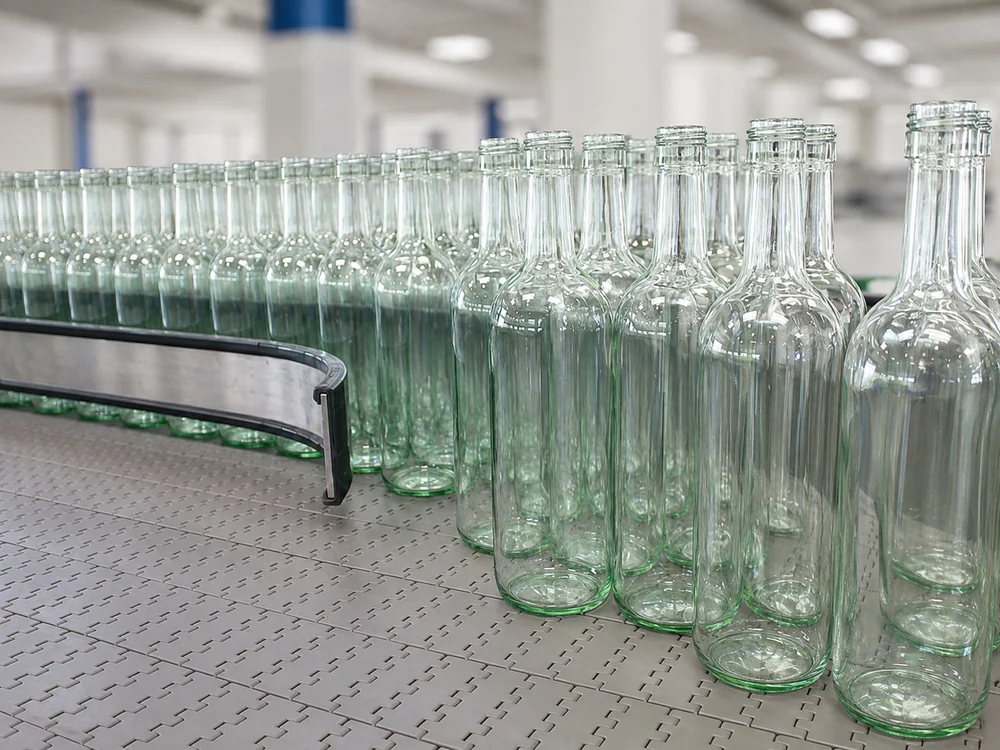
Define depalletizing, inspection, rinsing or bottle washing from the incoming bottle condition.
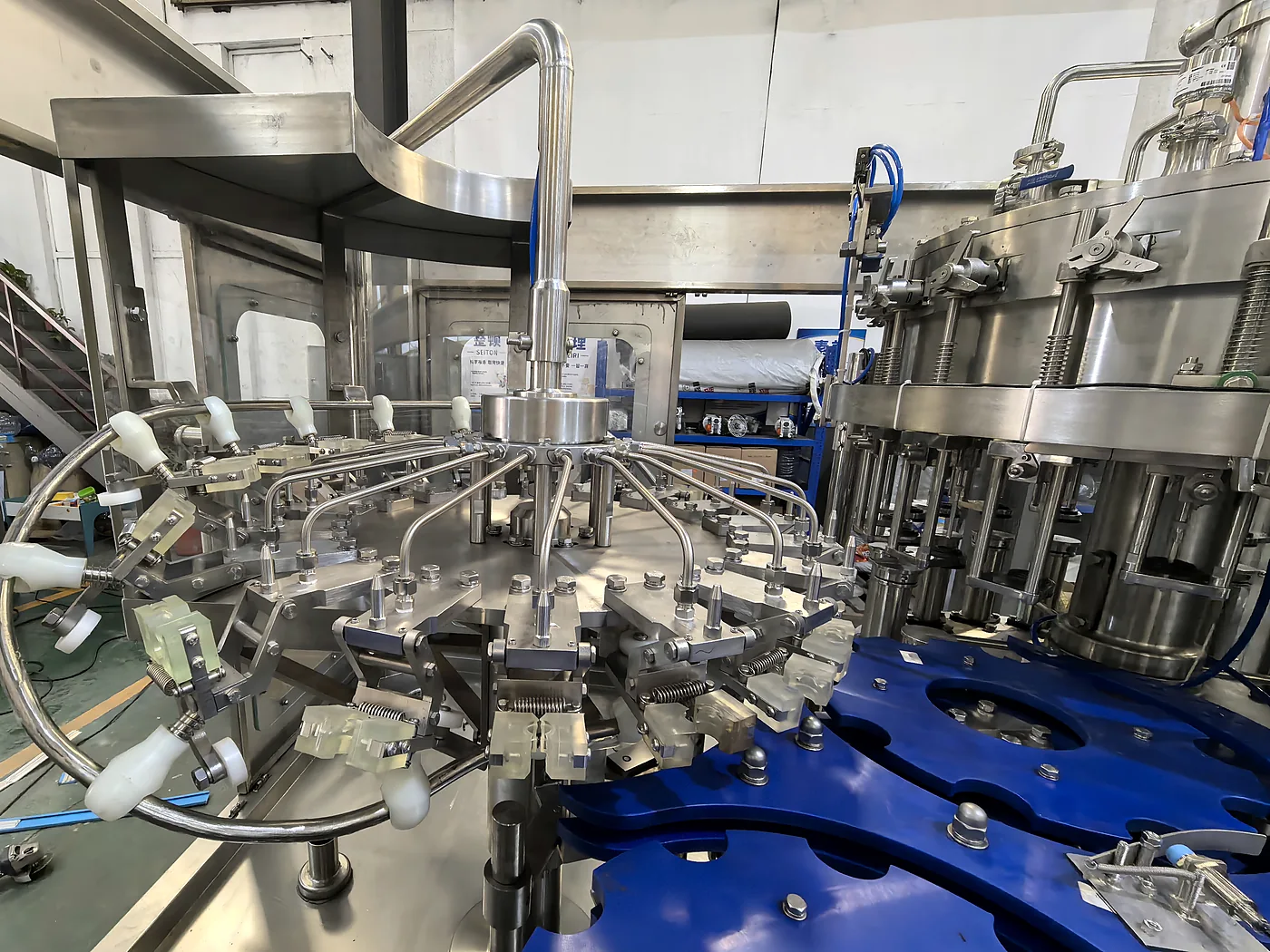
Set guides, transfer points and accumulation around the bottle geometry to reduce impact through the line.
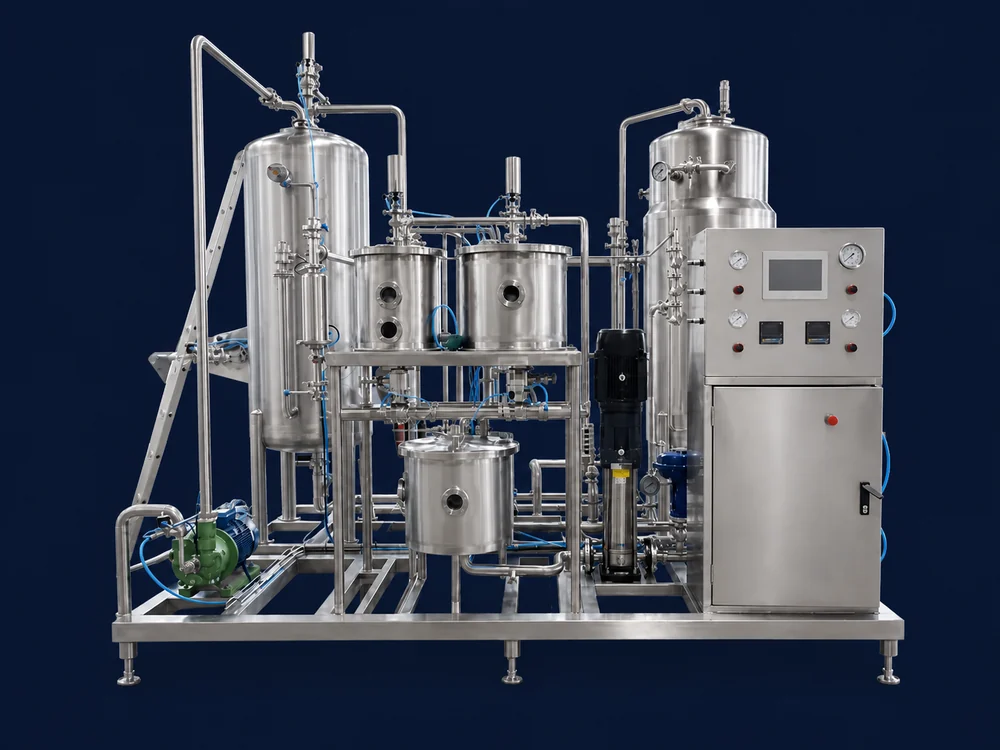
Treat beverage temperature, CO₂ target and transfer conditions as one operating recipe.
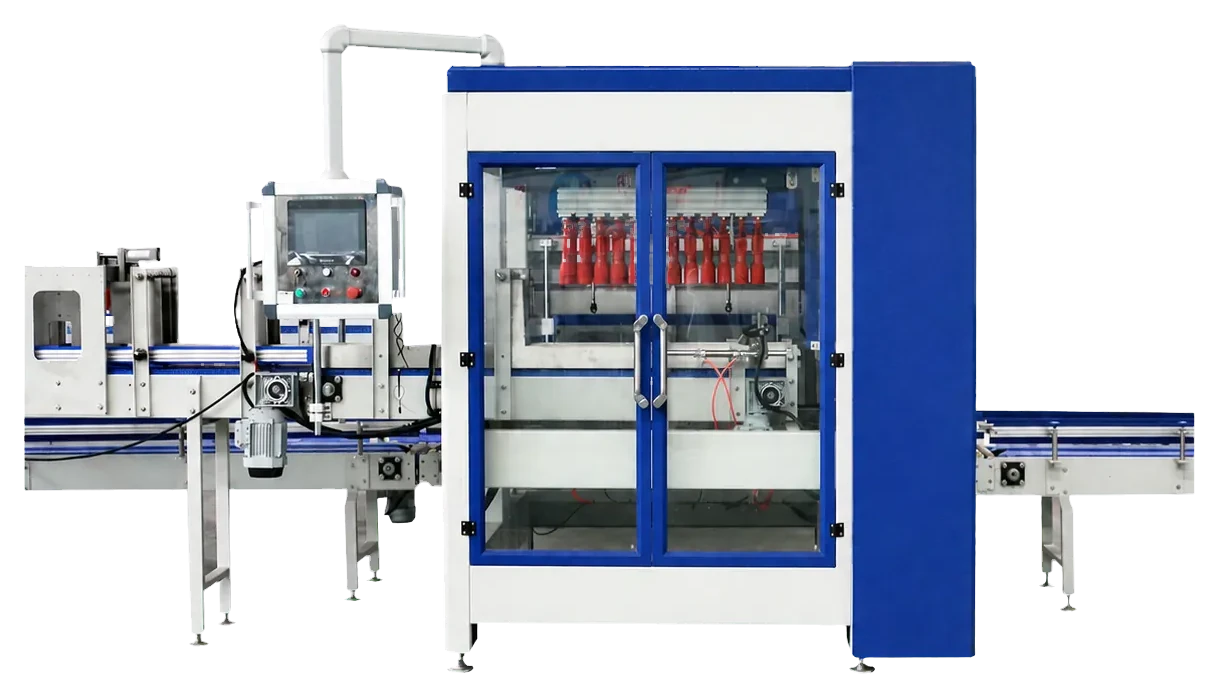
Select cartons, crates or film packs around bottle protection, distribution and return logistics.
Model selection
Choose equipment around the bottle condition, closure, beverage and operating plan. Final specifications follow a review of your project inputs.
| Selection area | Project input | Engineering confirmation | Status |
|---|---|---|---|
| Filler & closer | Bottle, closure and beverage | Head configuration, speed and change parts | To be confirmed |
| Product conditions | Recipe, CO₂ and temperature | Filling conditions and product-contact scope | To be confirmed |
| Bottle preparation | New or returnable bottle route | Depalletizing, washing, inspection and rinsing | To be confirmed |
| Packing route | Carton, crate or film pack and pallet | Bottle protection and downstream line balance | To be confirmed |
| Factory fit | Floor plan, ceiling height and access | Machine dimensions and maintenance clearance | To be confirmed |
| Utilities | Power, water, compressed air and CO₂ | Connected load and complete-line consumption | To be confirmed |
Model names, rated output, head counts, machine dimensions, power and weight are awaiting confirmed glass-line specifications.
Confirm these boundary conditions before final model selection.
Have the bottle drawing and an output target? Send Bottle / Beverage / Output for a project-specific equipment scope, layout and utility review.
Production process
Explore the equipment, operating purpose and handoff at each stage, from process water to finished pallets.
Bottle preparation runs in parallel with beverage preparation and meets it at filling. The final line configuration follows your recipe, bottle and closure specifications, and packaging requirements.
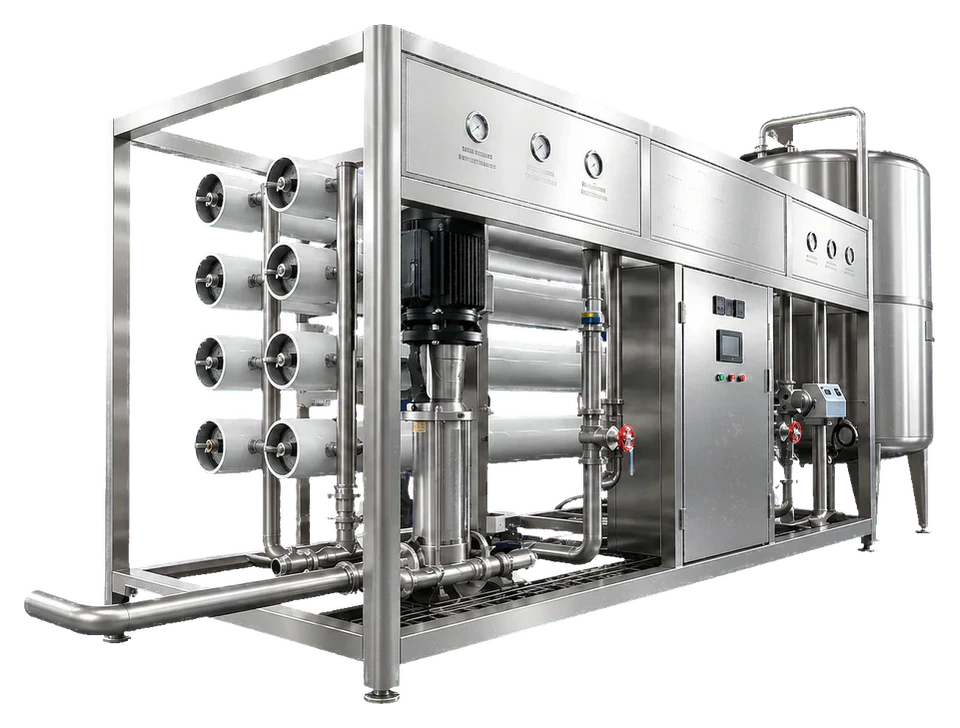
Prepare the water used for syrup preparation and beverage blending. Select the treatment route from the source-water analysis and finished-drink specification, then coordinate storage and supply with the preparation equipment.
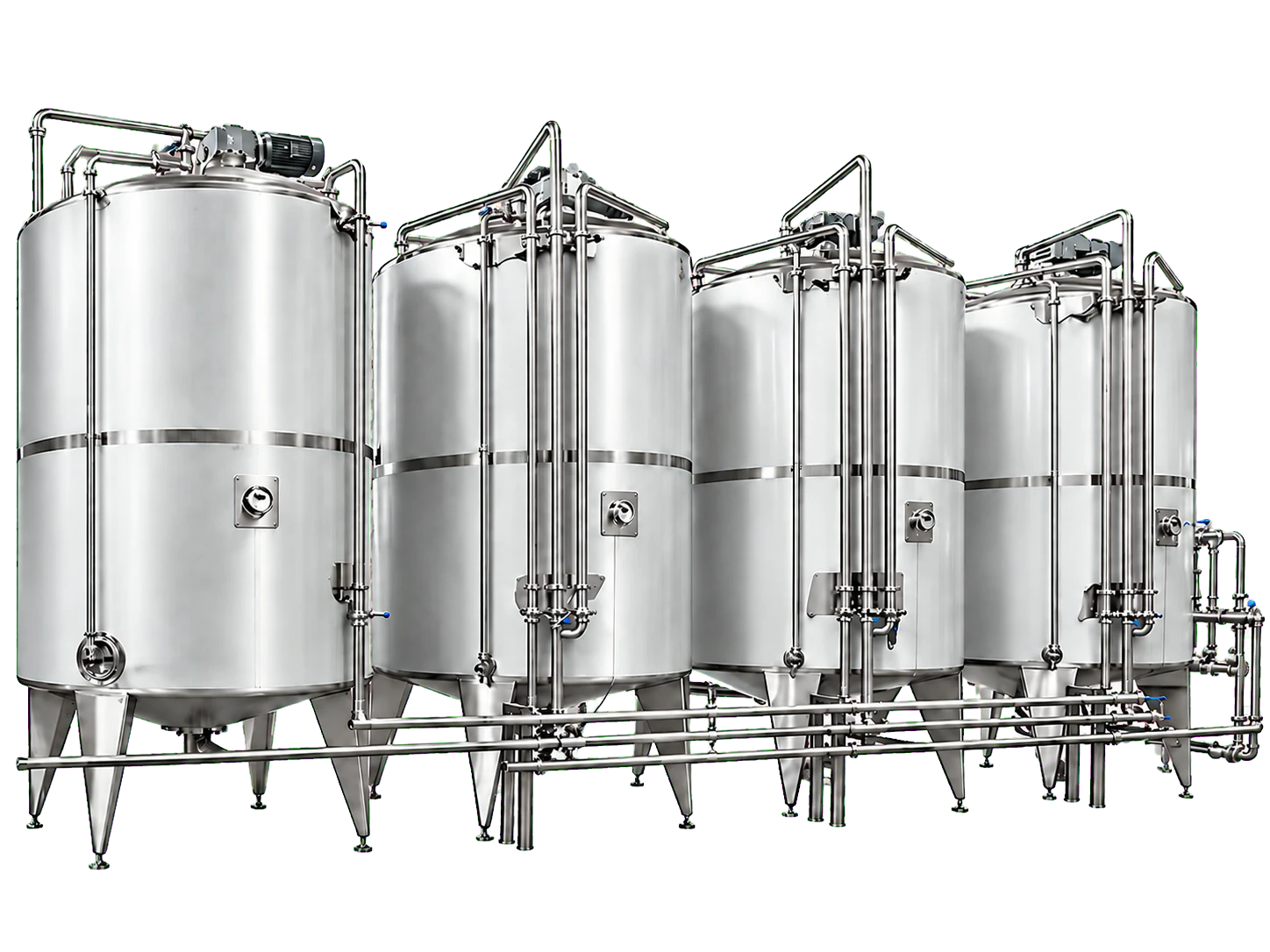
Prepare syrup and blend it with treated water and the specified ingredients. The recipe determines the mixing sequence, proportions and batch requirements before the beverage moves to cooling and carbonation.
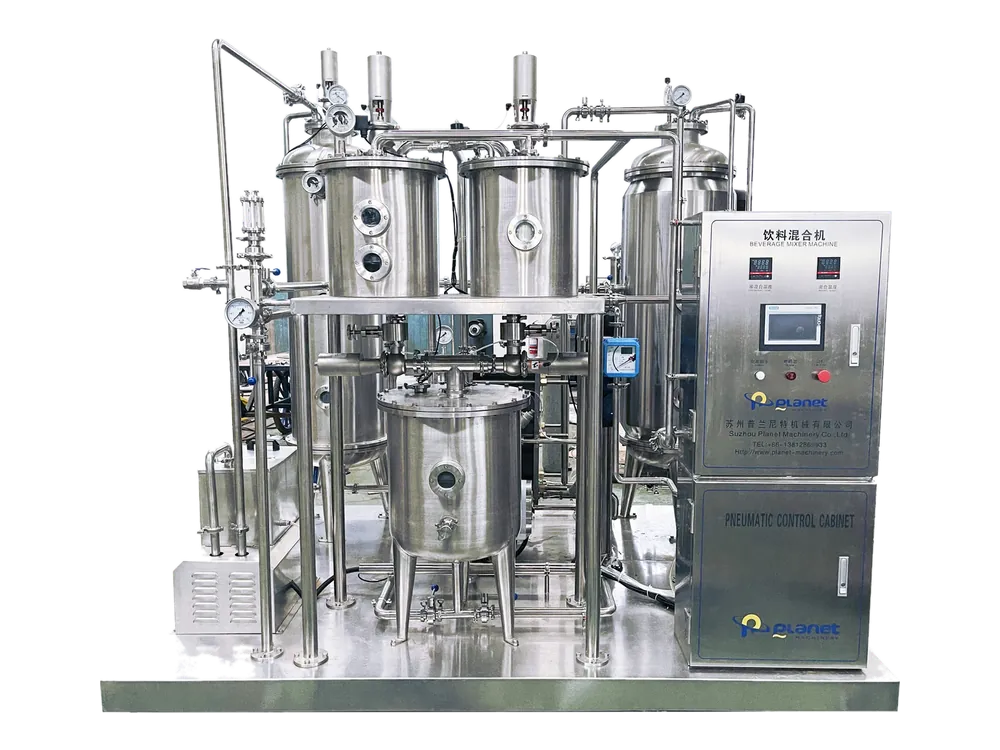
Cool the blended beverage and introduce CO₂ to the agreed target. Coordinate product temperature, gas dosing and transfer pressure with the glass bottle filler so preparation and filling use the same operating recipe.
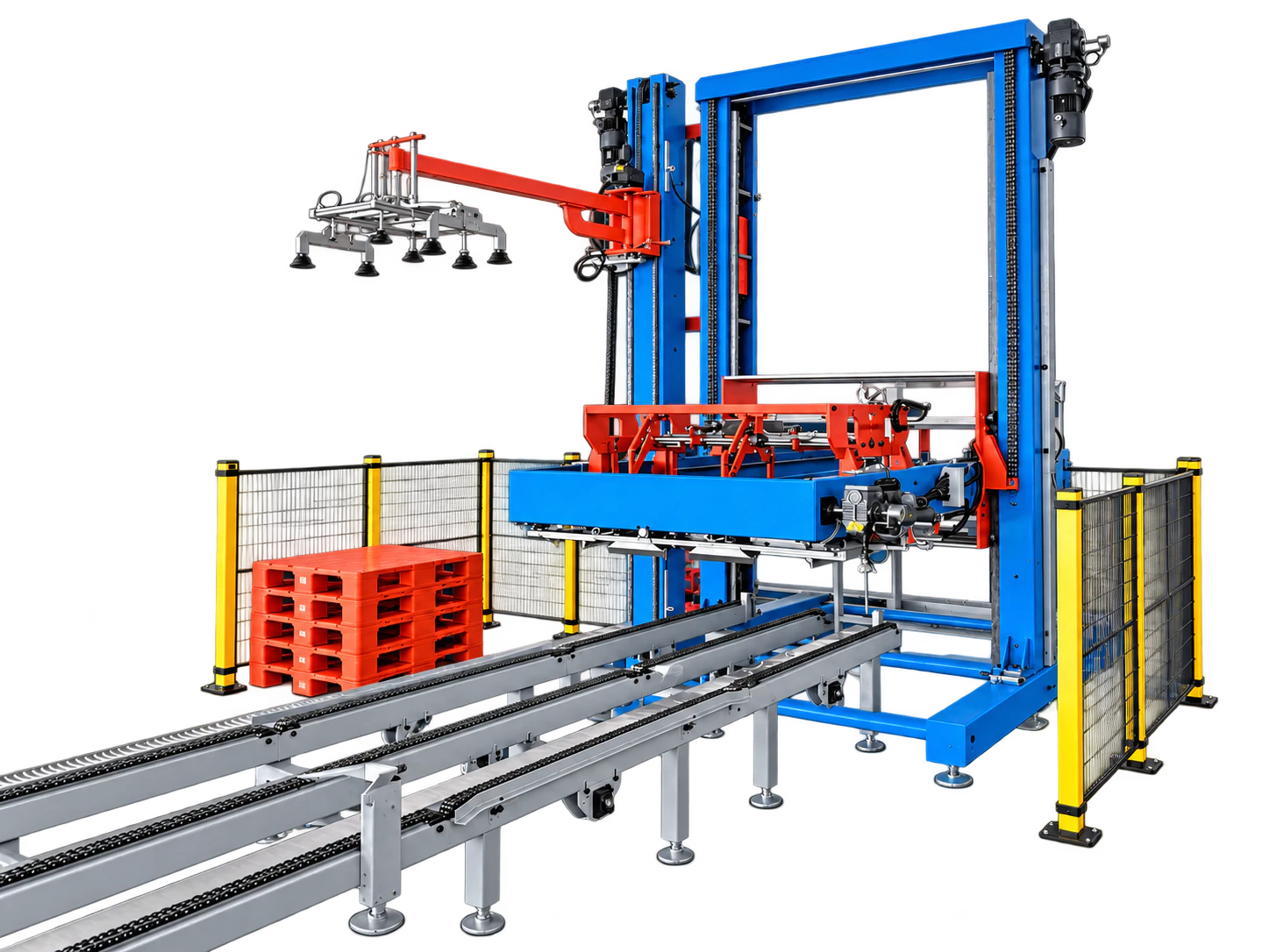
Supply new or returnable bottles through the preparation route. New bottles may require depalletizing, inspection and rinsing; returnable bottles add sorting, washing and further inspection before filling.
Fill prepared glass bottles with the carbonated beverage under controlled counter-pressure, then apply the confirmed crown or screw closure. Review filling conditions, bottle transfer and closing tooling as one system.
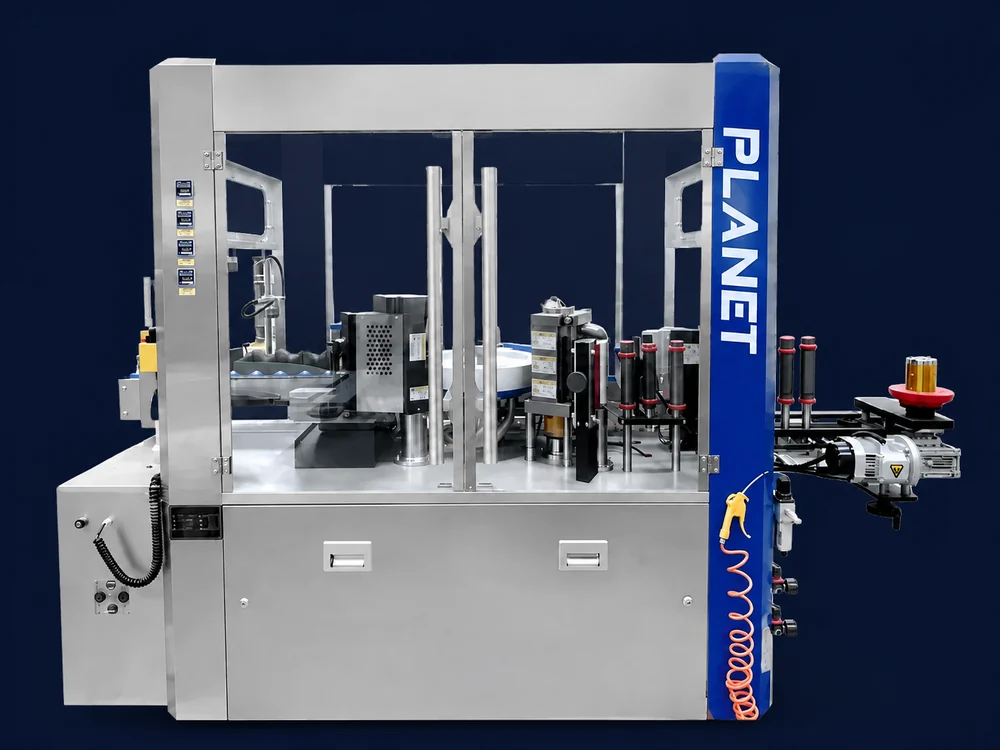
Check fill level, closure and bottle condition against the agreed criteria, then dry, label and code accepted bottles. Define label material, code position and reject handling around the selected bottle and pack.
Group bottles into cartons, crates or approved film packs while protecting the glass through transport and distribution. Bottle geometry, pack count, dividers and return logistics define the packing route.
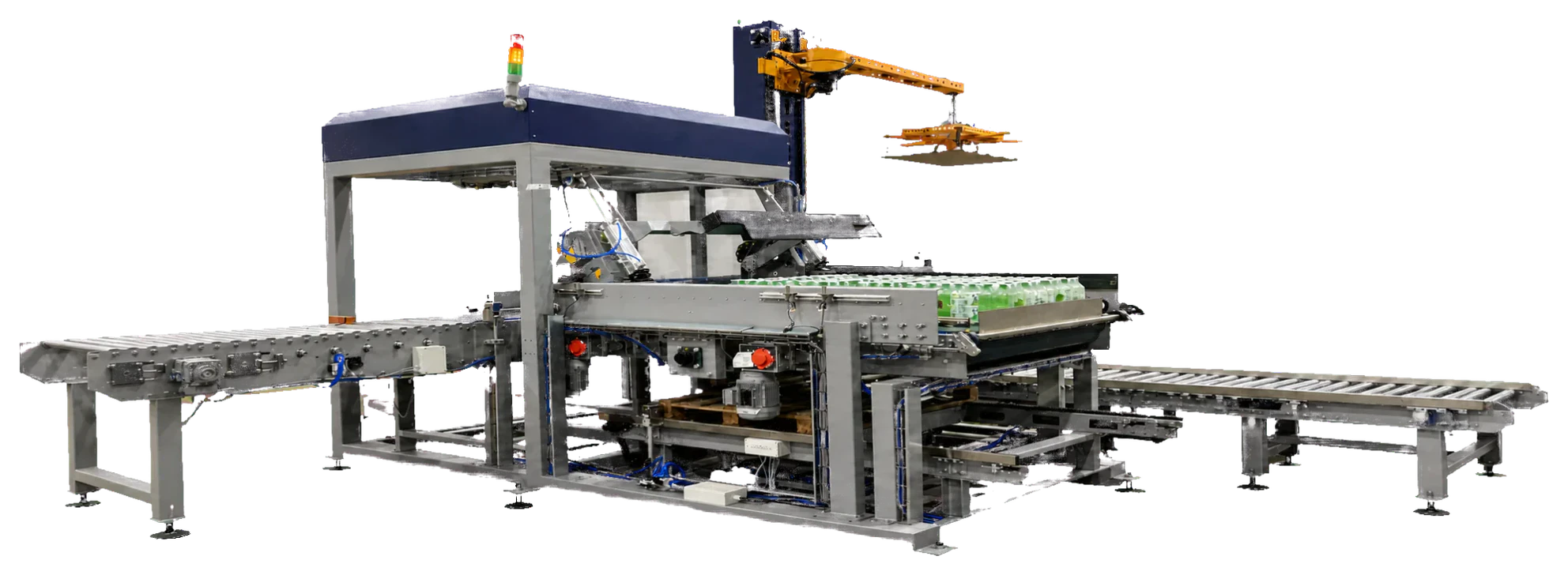
Arrange finished packs into the agreed pallet pattern for storage and dispatch. Pallet size, pack strength, layer arrangement and load height define stacking and load-securing requirements.
Customer proof
Begin with a delivered beverage project, then explore how product, layout and integration decisions adapt across different markets.
A first carbonated-drink line developed from product and package discussions.
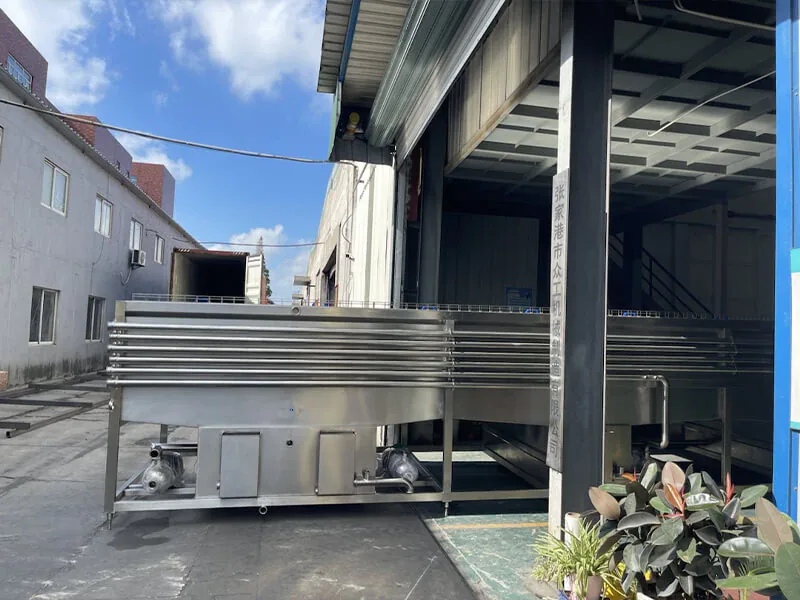
Conveyors and pasteurization connected around an existing can filler.
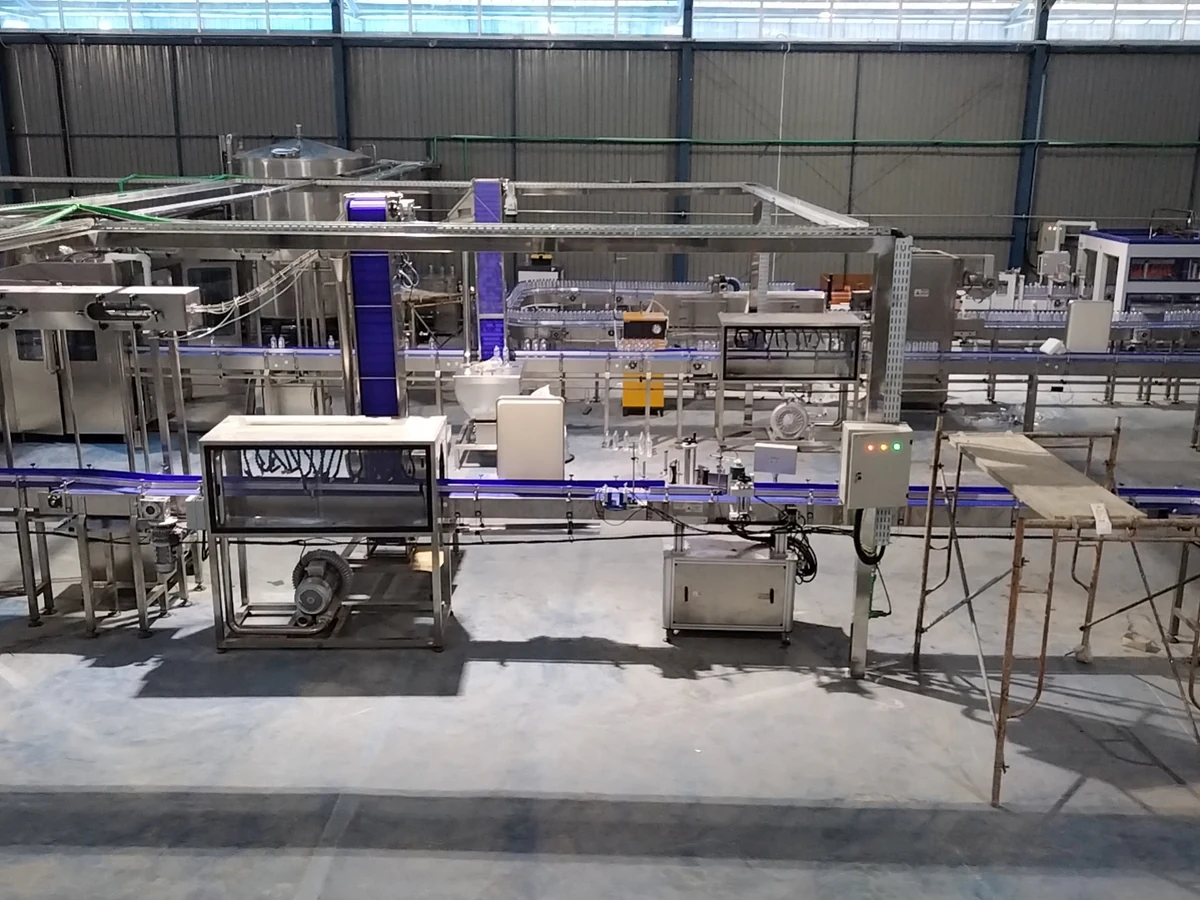 Delivered project
Delivered with water treatment and support for additional pack formats.
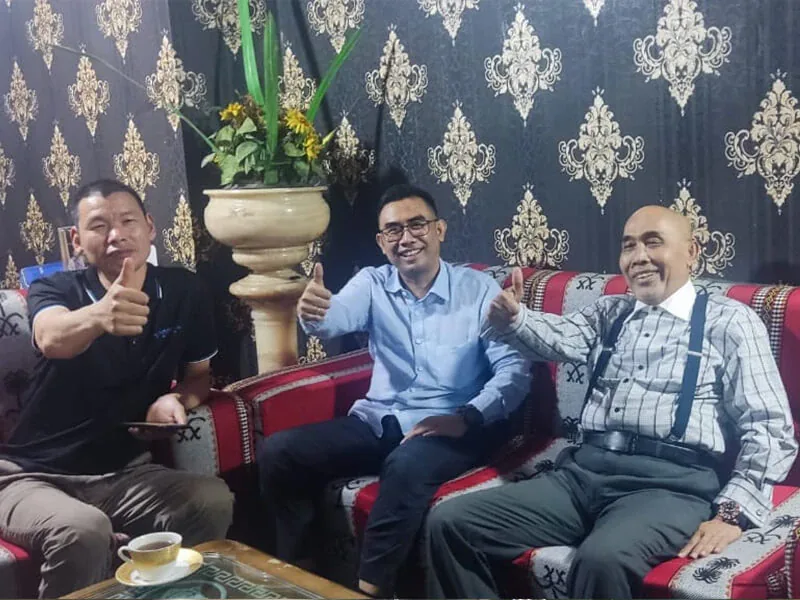 Project discussionCustomer team · Indonesia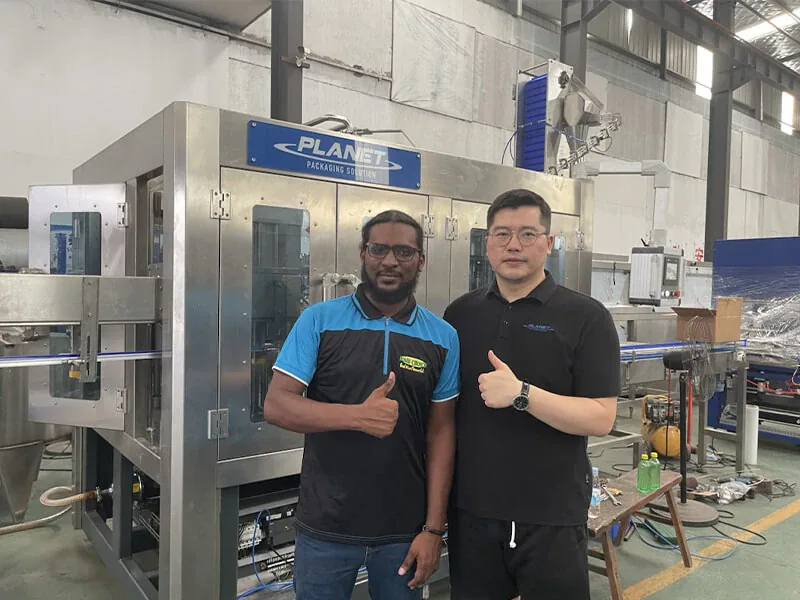
Nitrogen dosing selected to support the required fresh-ginger-juice shelf life.
Agree the bottle route, process boundaries and review points before progressing toward a final line proposal.
Agree the beverage, bottle and closure, saleable output and packaging requirements.
Discuss your projectChoose the new-bottle or returnable-bottle route and define inspection or washing.
Discuss your projectCoordinate carbonation, filling conditions, closure tooling and acceptance checks.
Discuss your projectPlan site readiness, installation scope, training and operating documentation.
Discuss your projectFAQ
Practical questions for your glass bottle line project.
Share the beverage recipe, carbonation target, bottle and closure drawings, required saleable output, pack format and factory layout. State whether the bottles are new or returnable.
Returnable bottles normally require a defined receiving, sorting, washing and inspection route before filling. Bottle condition, crate handling and reject criteria should be reviewed at the start of the project.
Both routes are possible, but the neck finish, closure feed, closing equipment and change parts must be reviewed for every format. Provide bottle and closure samples before the scope is fixed.
Glass containers are rigid and can be damaged by impact or unstable accumulation. Conveyor guides, transfer geometry and line control should be coordinated around the supplied bottle.
Start with the saleable bottles required per shift and the available production hours. Include washing, cleaning, format changeovers, planned stops and future expansion.
Existing equipment can be included in the integration review. Share layout drawings, conveyor elevations, operating speeds and controls documentation so the interfaces can be assessed.
Line inquiry
Start with the beverage, bottle, closure and output you have in mind. Add the incoming bottle condition, existing equipment and packaging requirements.
Local preview — review your details below. This form does not send an inquiry.
Preview only. Nothing has been sent.