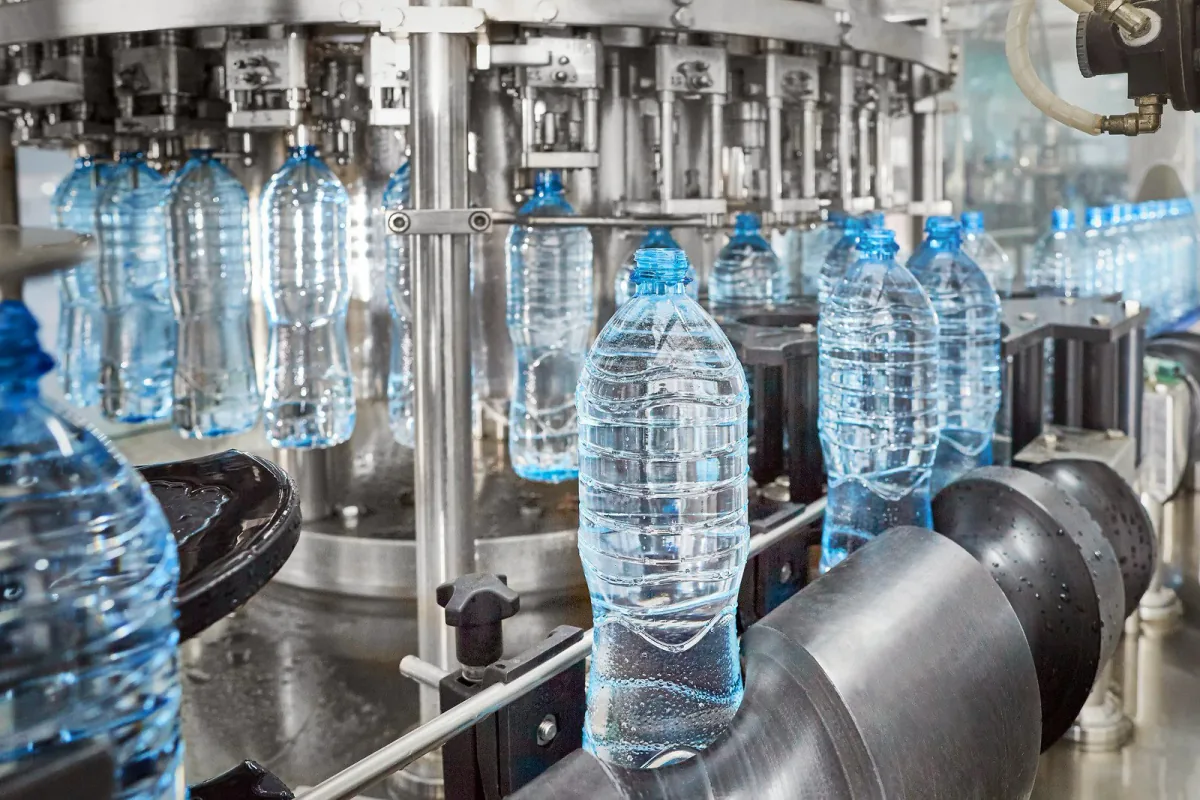
Large-format PET without a returnable-bottle wash loop.
Plan the route around the actual bottle drawing, preform or empty-bottle supply, closure, water specification and required output. Large-container stability and filled-bottle weight guide every transfer.
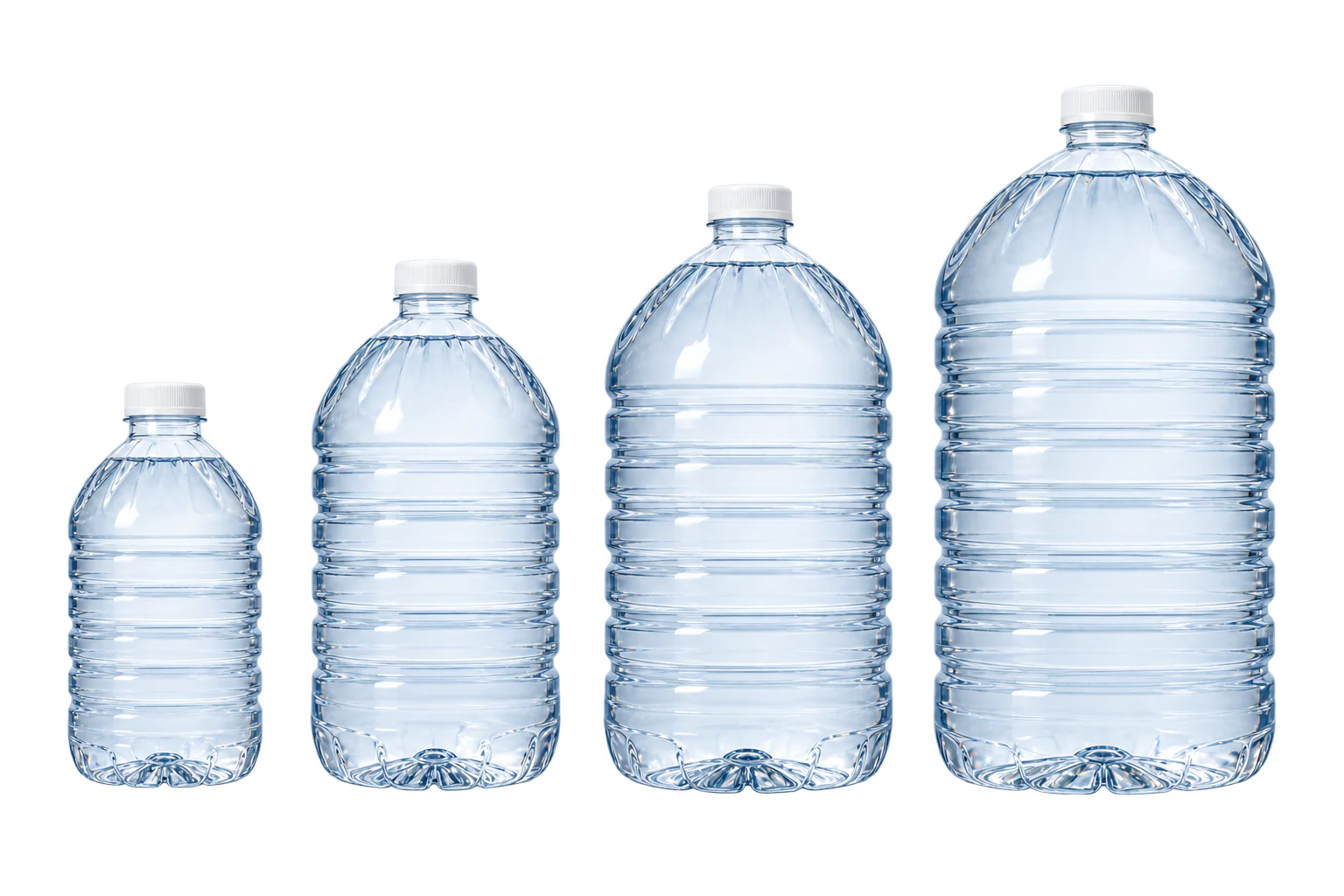
Bottle5–19 L single-use PET
WaterPurified · mineral · drinking
OutputConfirmed by bottle volume
Production walkthrough
Watch large PET bottles move through filling.
Customer footage has been supplied for 6.5 L and 13 L formats. A verified, edited YouTube master will replace this preview while the optimized poster continues to load locally.
YouTube master pending
Key features
Built around the weight and scale of large PET.
The treatment, bottle-making, filling and downstream route are selected around 5–19 L PET formats and the required capacity.
01
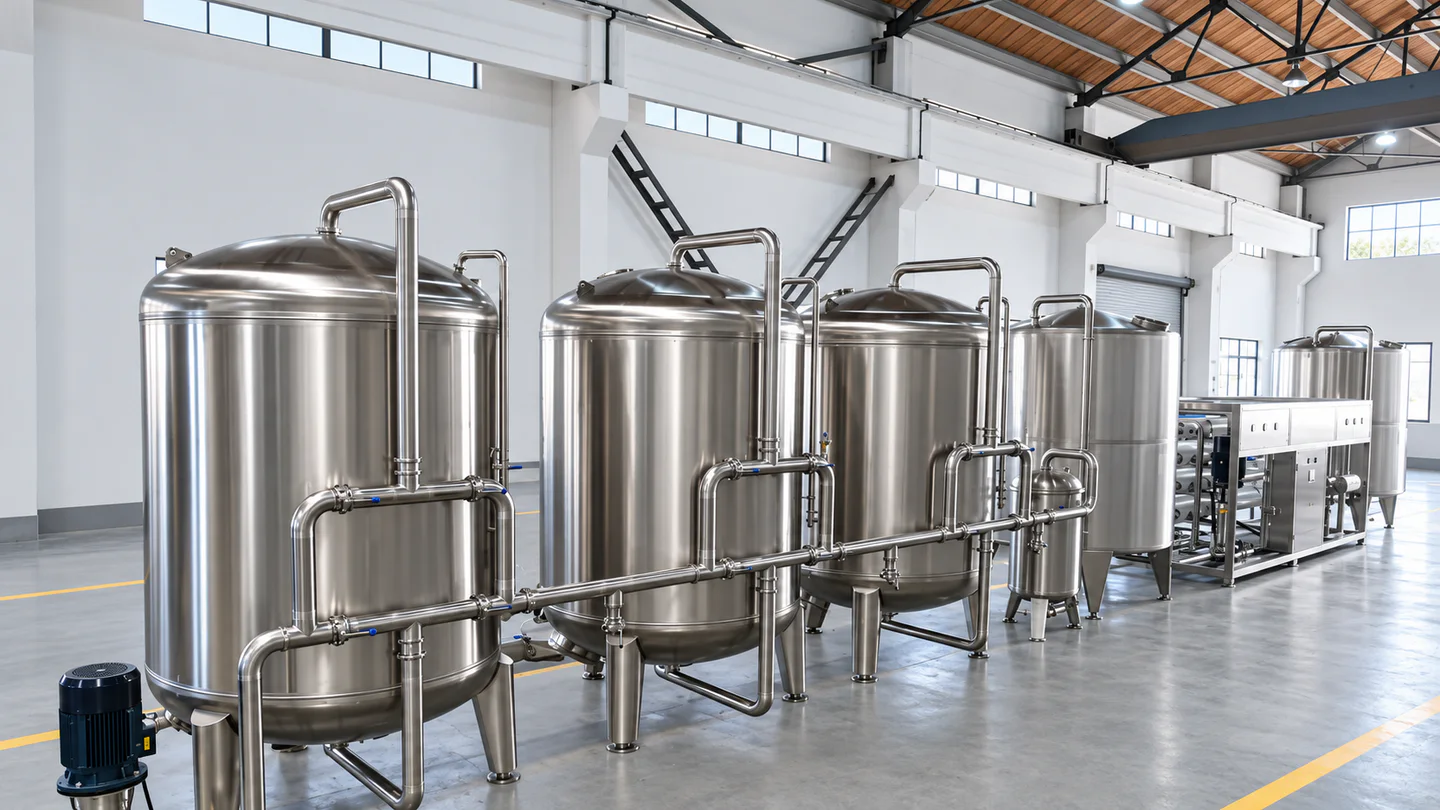
Water treatment system
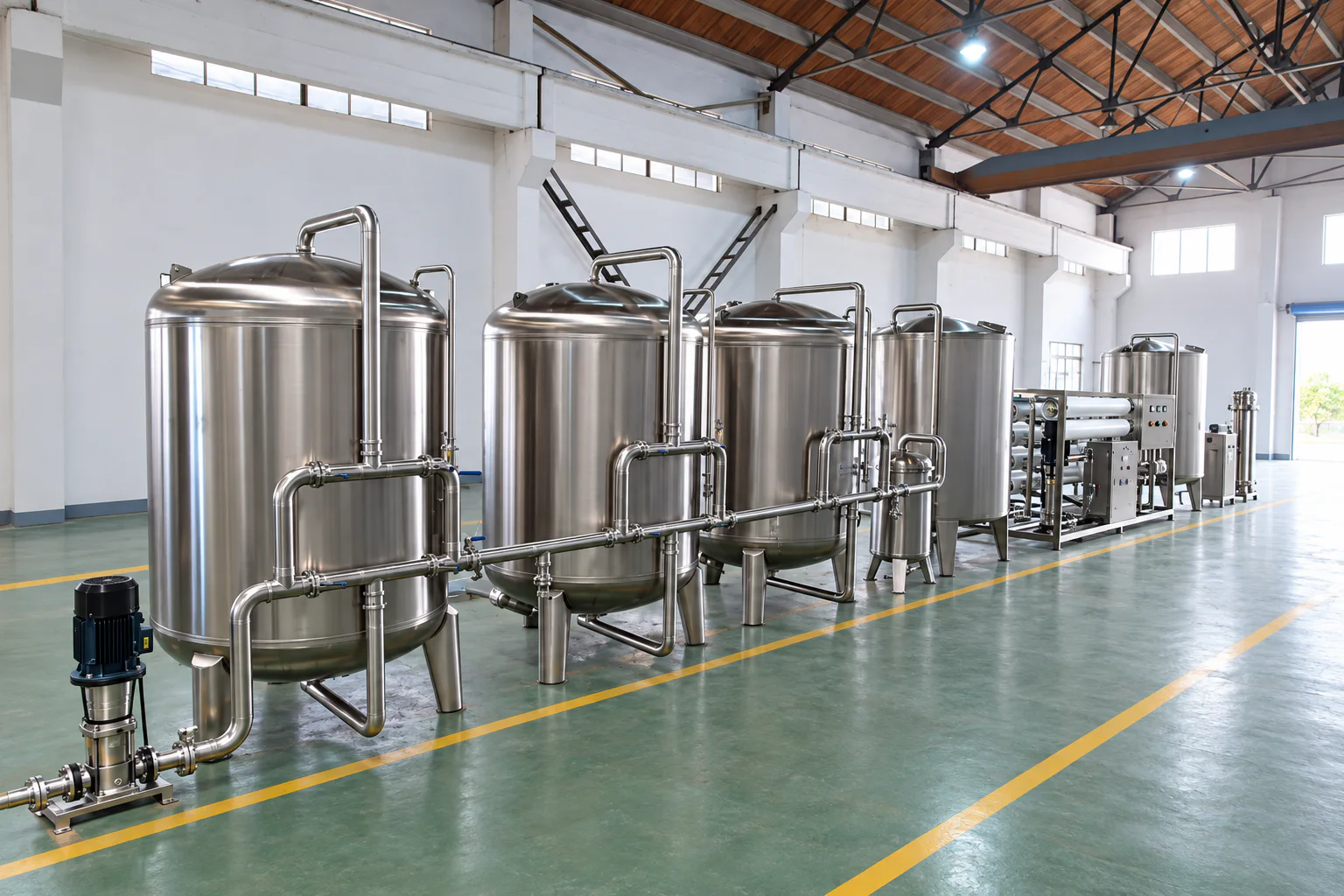
CNP or Grundfos pumps—top-quality pumps that ensure stable water dosing. FilmTec or Hydranautics RO membranes—top-quality membranes that ensure filtration efficiency and produce safe, clean water. ABB inverters and Siemens PLCs guarantee stable automatic control.
02
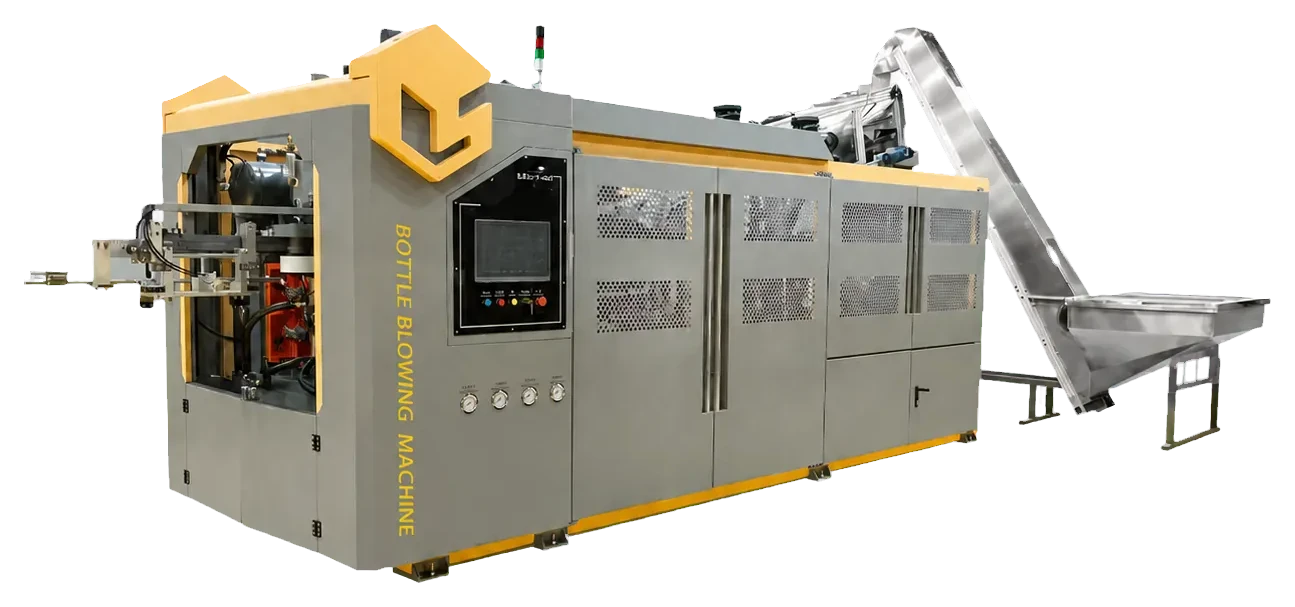
Automatic blowing machine
The line can produce bottle sizes from 5 L to 19 L, helping you create the best bottle design to attract customers.
03
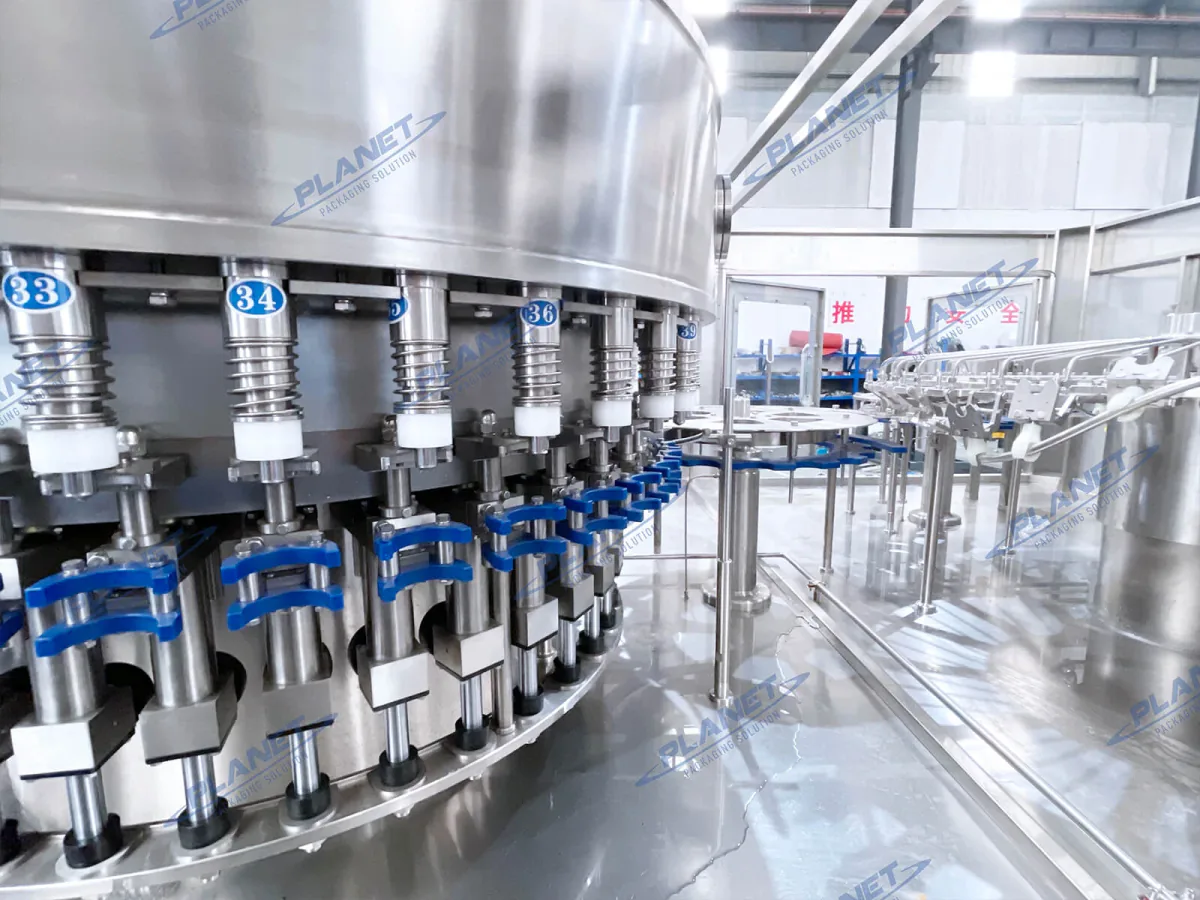
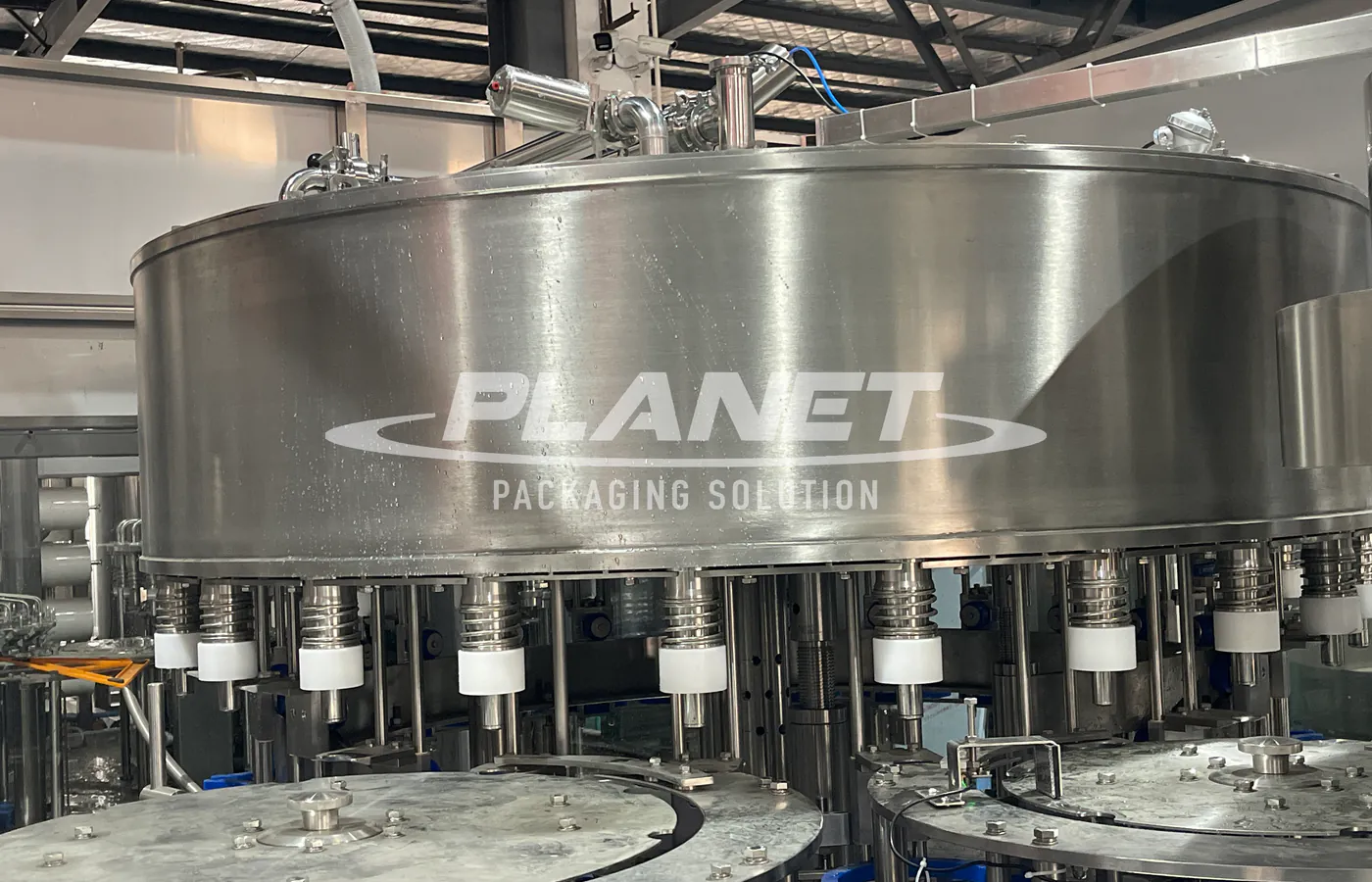
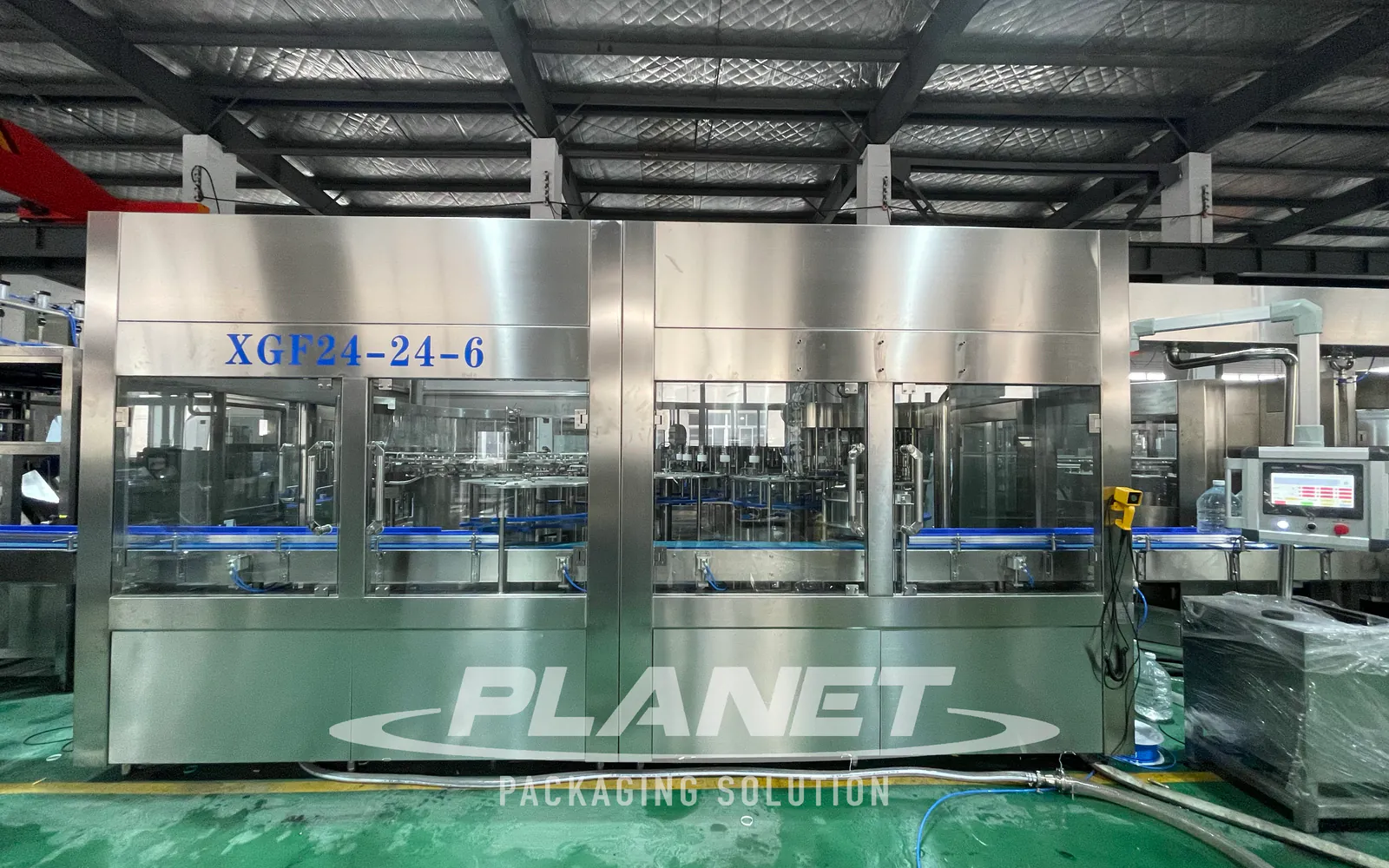
Stable automatic filling control
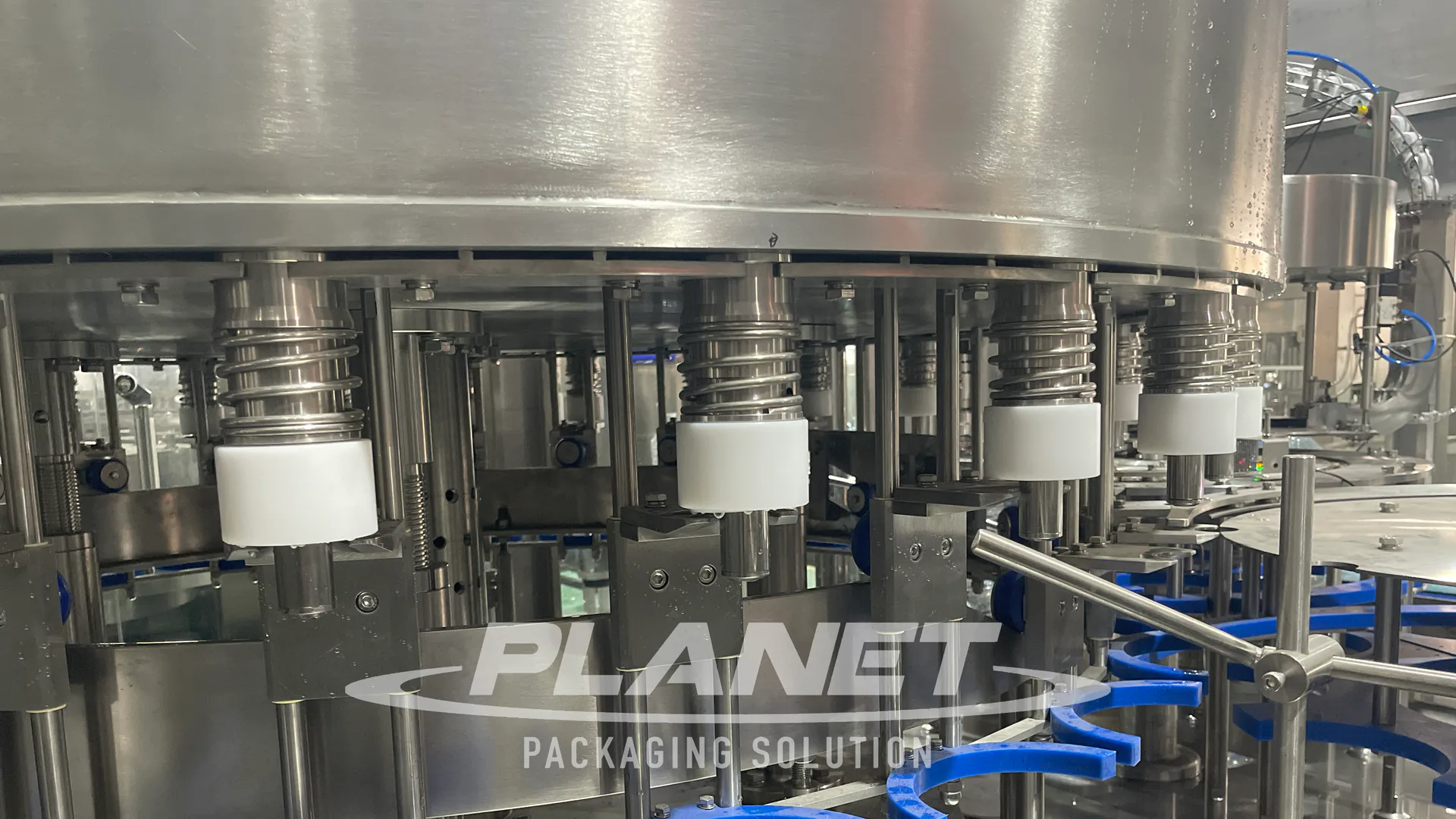
High-quality electronic components, such as Siemens and Schneider. High-quality pneumatic components, such as Festo, SMC and Airtac. High-quality bearings, such as SKF and NSK. Top-quality components help ensure the stable performance of the machine.
04
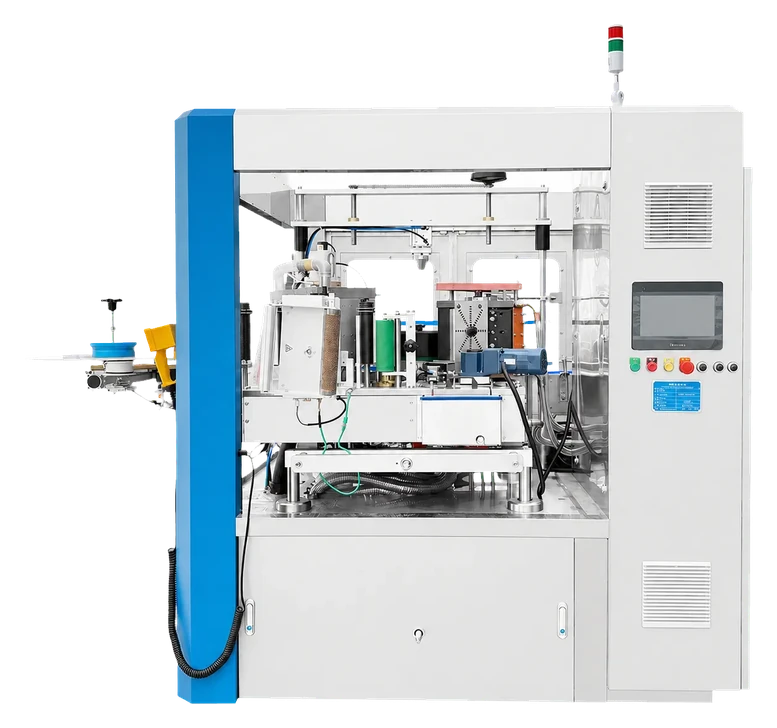
Labeling types
Hot-melt OPP labeling machines, adhesive labeling machines and shrink-sleeve labeling machines are available to meet the different labeling requirements in the market. We can also help our customers design labels.
05
Packaging
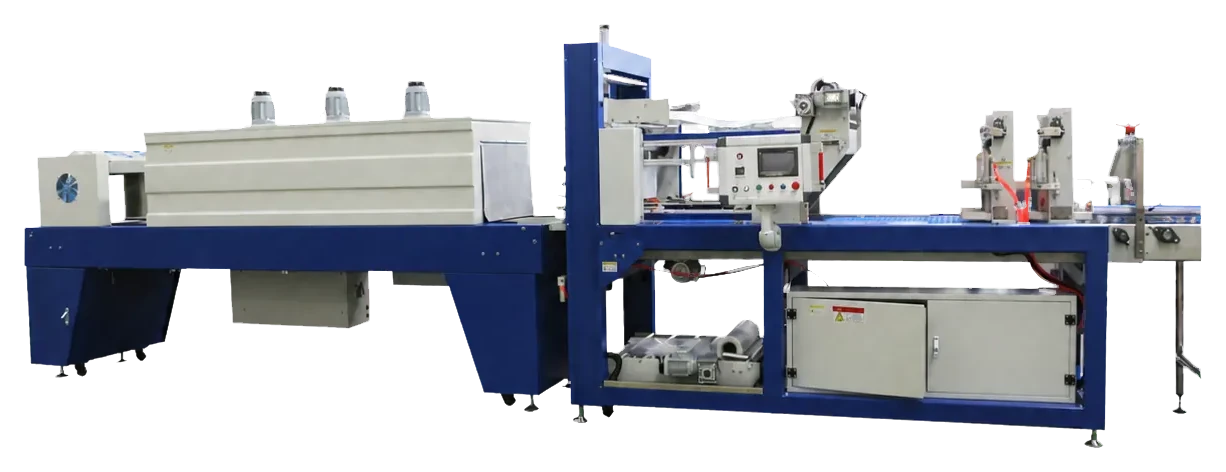
Besides standard shrink-wrapping machines, we can also provide case-packing machines, offering a variety of packaging solutions.
06
Palletizer
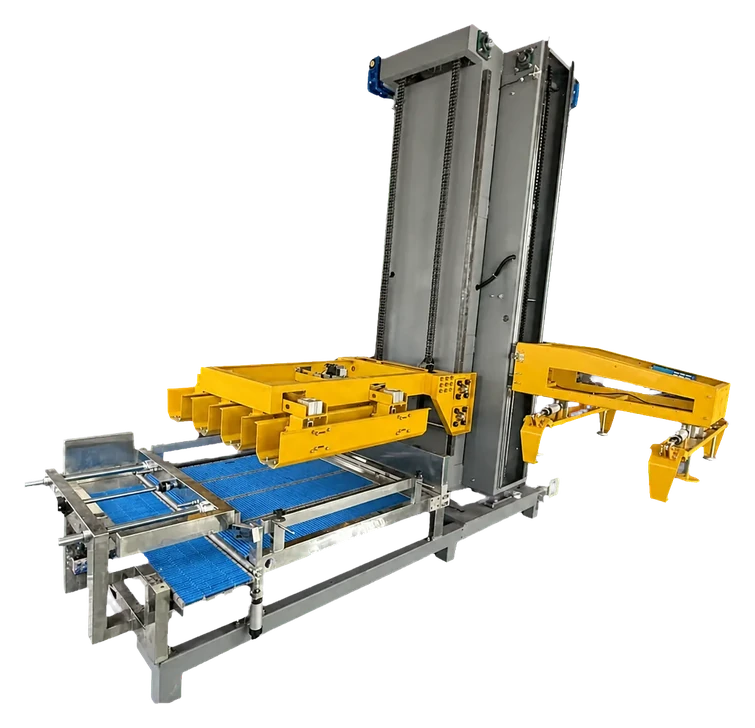
Different palletizer solutions are available for different production capacities and customized requirements.
Model selection
Select from bottle volume and required output.
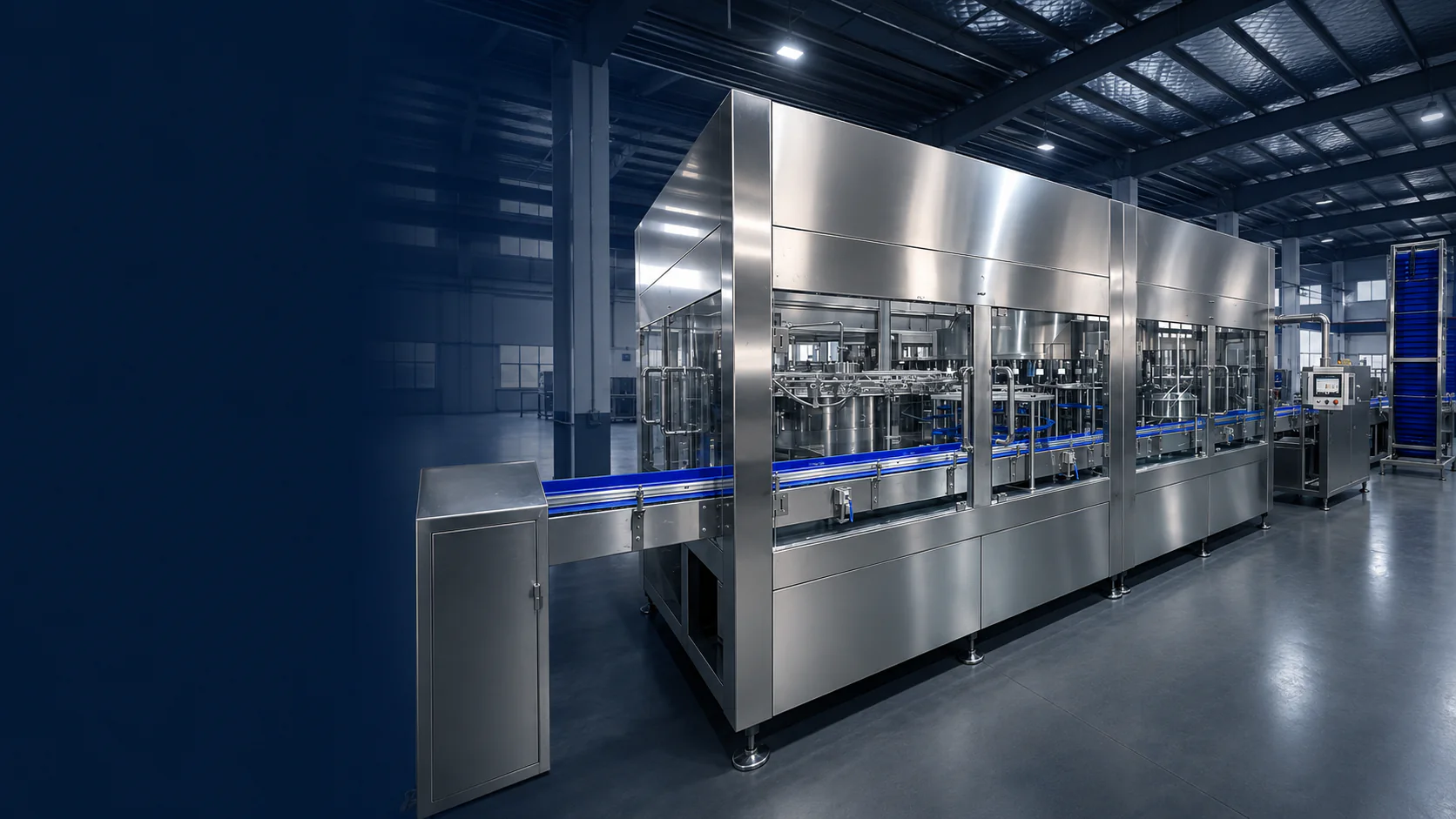
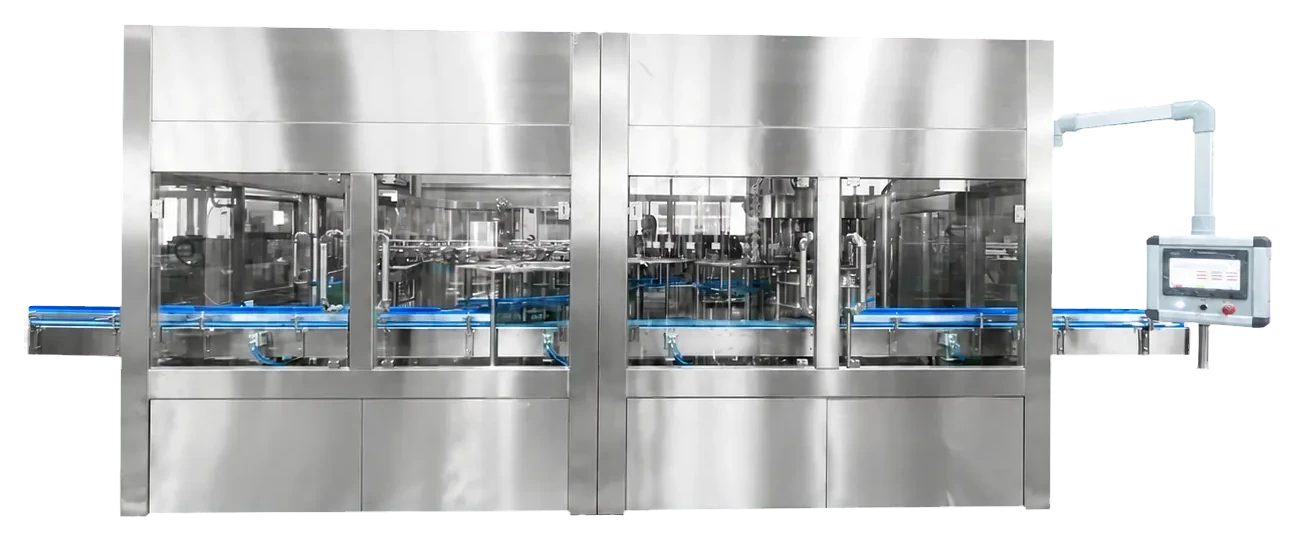
The supplied machine imagery includes an XGF24-24-6 configuration, but a verified model table has not yet been provided. Selection therefore remains input-driven.
Configuration inputs, not unverified model claims
Selection inputWhat to provideStatus
Bottle drawing
5–19 L diameter, height, weight and base
Required
Bottle supply
Preform blowing or formed empty bottles
Required
Nominal output
Saleable bottles per hour by bottle volume
Required
Closure and handle
Cap, neck finish and carry-handle requirement
To confirm
Label and pack
Label material and downstream protection
To confirm
Plant conditions
Layout, utilities, access and operator plan
To confirm
The 3,000 BPH and 4,000 BPH descriptions in the supplied media conflict. No output claim will be published until the manufacturer confirms the test basis.
Process
Follow one large PET bottle through six steps.
Hover or select a stage to see the equipment, control points and handoff that connects it to the next operation.
01Water treatment
1Pretreatment2Membrane system3Storage
01Treat
Water treatment
Prepare safe, clean process water with pumping, filtration, membrane treatment and automatic control selected from the source-water analysis.
Pumps
CNP or Grundfos
RO membranes
FilmTec or Hydranautics
Automatic control
ABB drive · Siemens PLC
02Automatic bottle blowing
1Preform infeed2Heating and blowing3Bottle discharge
02Make
Automatic bottle blowing
Form the approved preform into 5–19 L PET bottles, then feed each container into controlled conveying and inspection before filling.
Bottle range
5–19 L PET
Planning input
Bottle and preform drawing
Line interface
Preform feed · blower · bottle conveyor
03Rinse large PET bottles
1Bottle entry2Rinse carousel3Clean transfer
03Rinse
Rinse large PET bottles
Invert and rinse the empty bottle using the confirmed product-water or disinfection route before hygienic transfer to filling.
Fill large PET bottles under stable automatic control, then apply and verify the specified cap and optional carry handle.
Functions
Fill · cap · inspect
Controls
Siemens/Schneider · Festo/SMC/Airtac
Rotating parts
SKF or NSK bearings
05Label and code
1Bottle infeed2Label station3Inspection
05Identify
Label and code
Apply the selected hot-melt OPP, self-adhesive or shrink-sleeve label and add production coding for batch traceability.
Label routes
Hot-melt OPP · self-adhesive · shrink sleeve
Support
Customer label-design assistance
Control
Position and readability
06Pack and palletize
1Pack infeed2Layer forming3Pallet discharge
06Handle
Pack and palletize
Apply the required protective pack, then collate and palletize stable containers using a route selected for the confirmed capacity and handling requirement.
Pack options
Shrink wrap · case · reviewed format
Functions
Collate · palletize
Output
Finished large PET water
Customer proof
See how line decisions perform in real projects.
Begin with a delivered PET water line, then explore how layout, integration and product decisions adapt across different markets.
100+
Customers
50+
Countries
Since 2004
Manufacturing
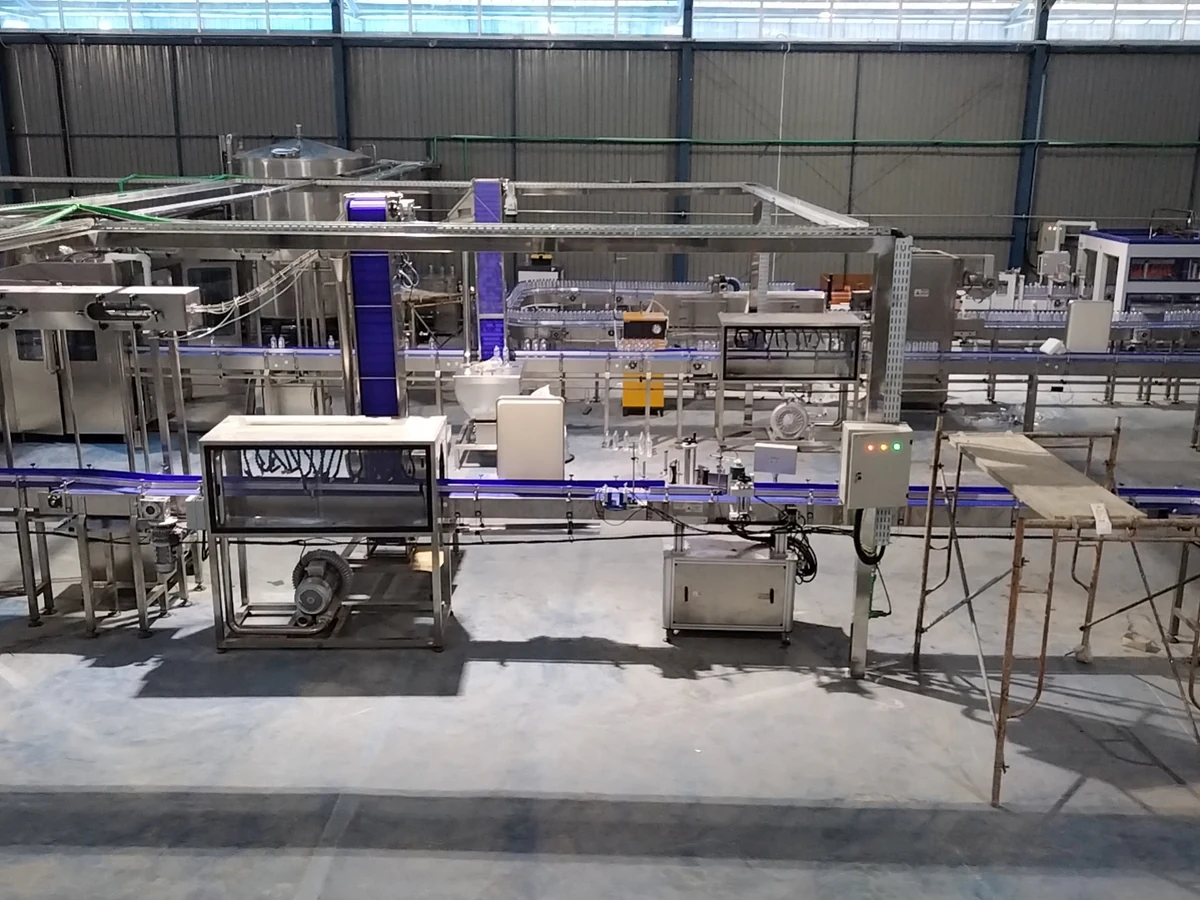
Delivered projectIndonesia · project record
PET bottled water
Indonesia
Delivered with water treatment and support for additional pack formats.
Technical terms and early purchasing decisions are collected here so the production route remains easy to follow.
How is output compared across 5–19 L bottles?
Output must always state the bottle volume and test basis. A machine running a smaller large-format bottle may achieve a different rate from the same machine handling a 19 L container.
Should the line start with preforms or empty bottles?
Integrated blowing reduces empty-bottle storage and handling but adds compressed-air, cooling and preform requirements. Empty-bottle supply is simpler when bottle production is already available.
Is this the same as a returnable 5-gallon line?
No. This route is for single-use PET bottles and normally does not include the intensive external brushing, decapping and multi-stage washing required for returned containers.
How is water treatment specified?
Use a source-water laboratory report, target finished-water profile and local regulations to define filtration, membrane treatment, disinfection, storage and cleaning.
Which label and handle options are available?
The bottle drawing and finished-container weight determine whether OPP, sleeve or self-adhesive labeling and a separate carry handle can be applied reliably.
What determines the line footprint?
Bottle-making route, buffer requirements, filler configuration, labeling, packing, pallet handling, utilities and building access all affect the final layout.
Line inquiry
Plan your large PET water line.
Share bottle and preform drawings, water type, target output by volume, cap, handle, label and downstream pack.
Bottle Water Output
Request a line proposalProject details sent to the engineering team
Inquiry received.
Our engineering team will follow up with the next configuration questions.

 Delivered project
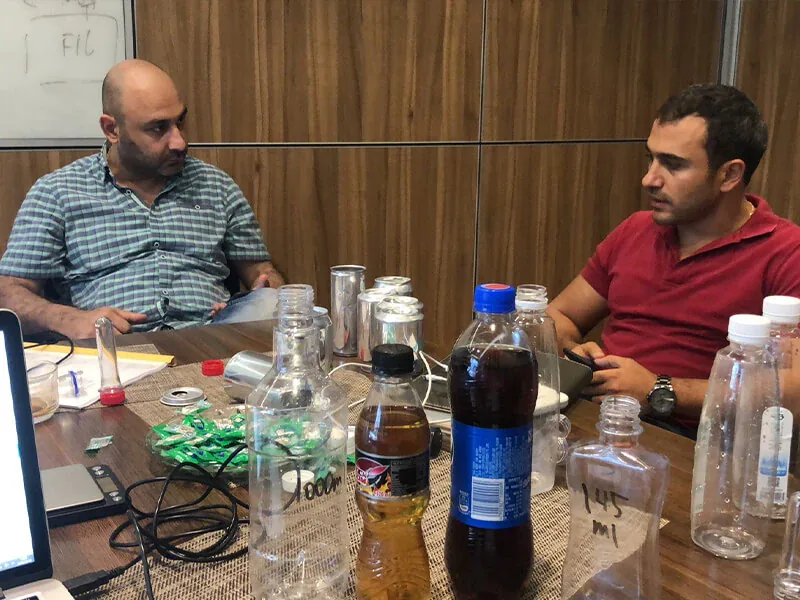
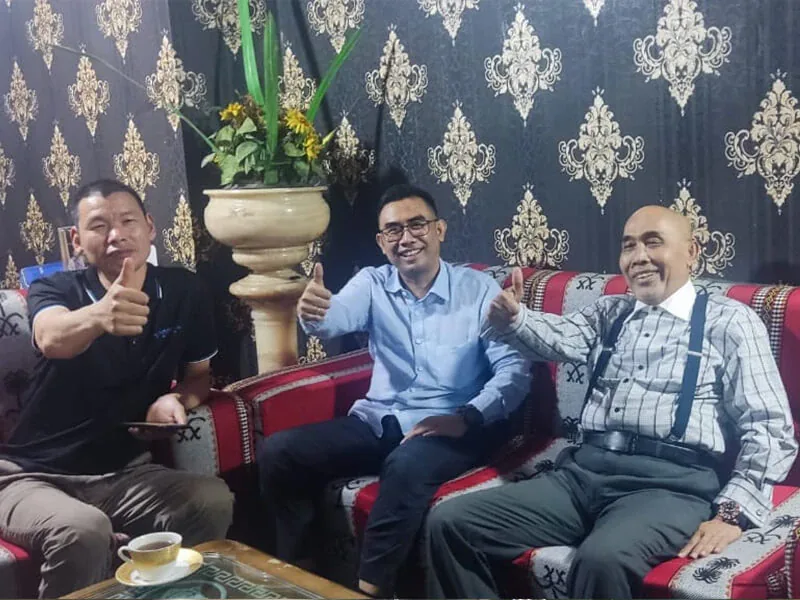 Project discussionCustomer team · Indonesia