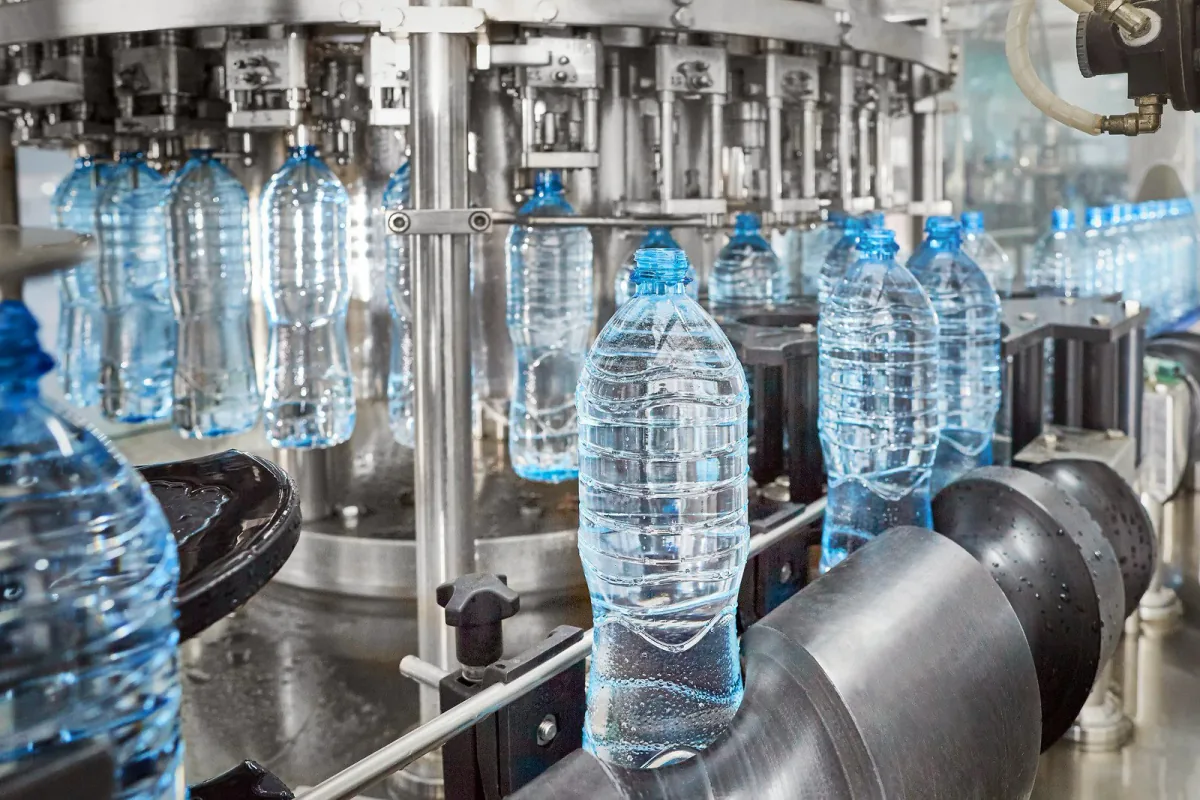
Plan the complete line around the actual bottle drawing, closure, water specification and required output. Each handoff is designed to limit glass contact while keeping the filler and downstream equipment balanced.
BottleReturnable or one-way glass
WaterPurified · mineral · spring
OutputConfirmed from bottle and closure
Production walkthrough
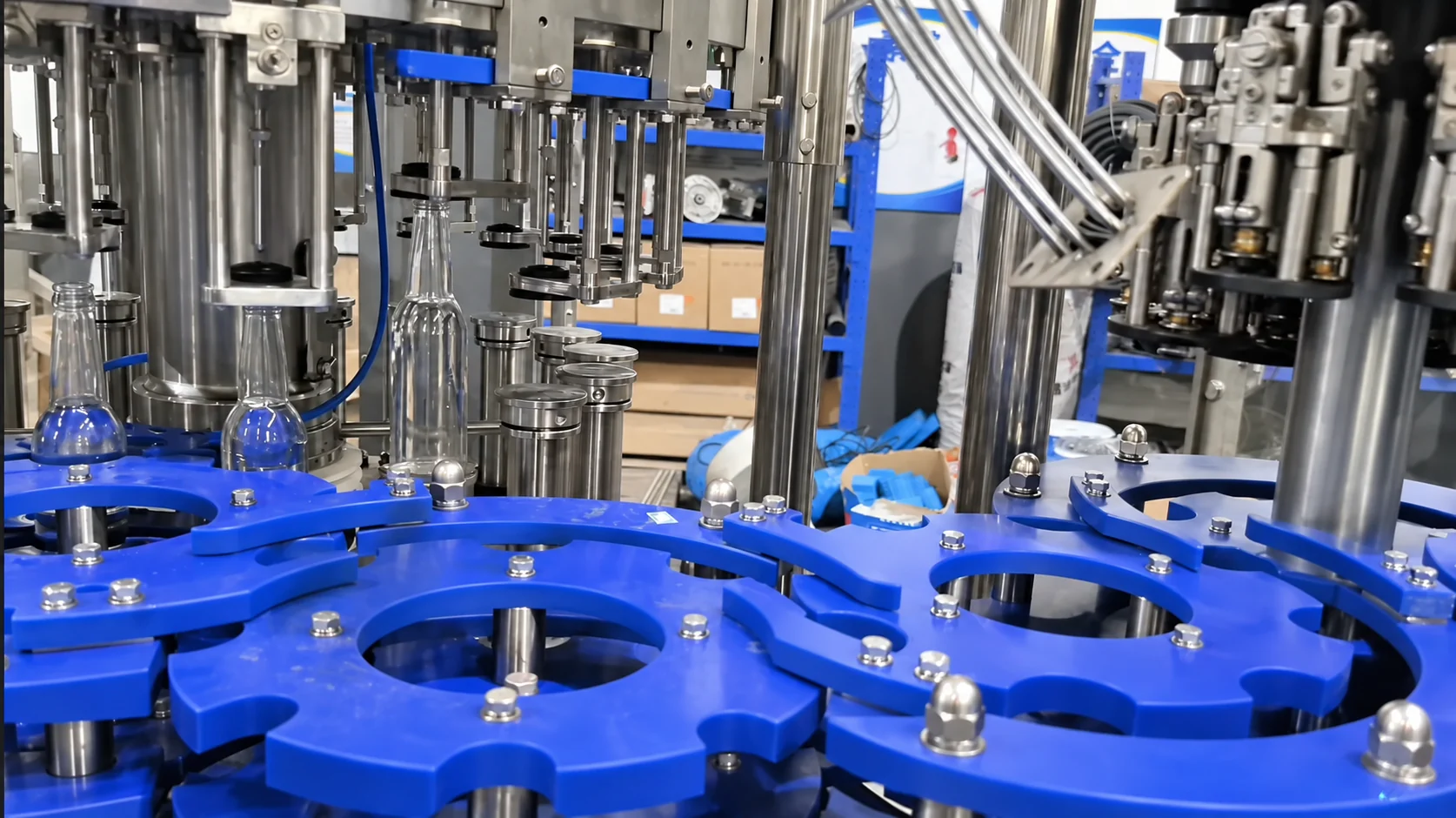
Watch the glass filler in operation.
Factory-acceptance footage has been supplied for this glass-bottle equipment. A verified, edited YouTube master will replace this preview while the optimized poster remains local for fast loading.
YouTube master pending
Key features
Designed around the realities of glass.
These are the decisions that directly affect bottle protection, filling quality and whole-line stability.
01
Glass bottle depalletizer
High-quality components, such as Siemens and Festo. Suitable for a variety of glass bottles, with easy operation and a low fault rate.
02
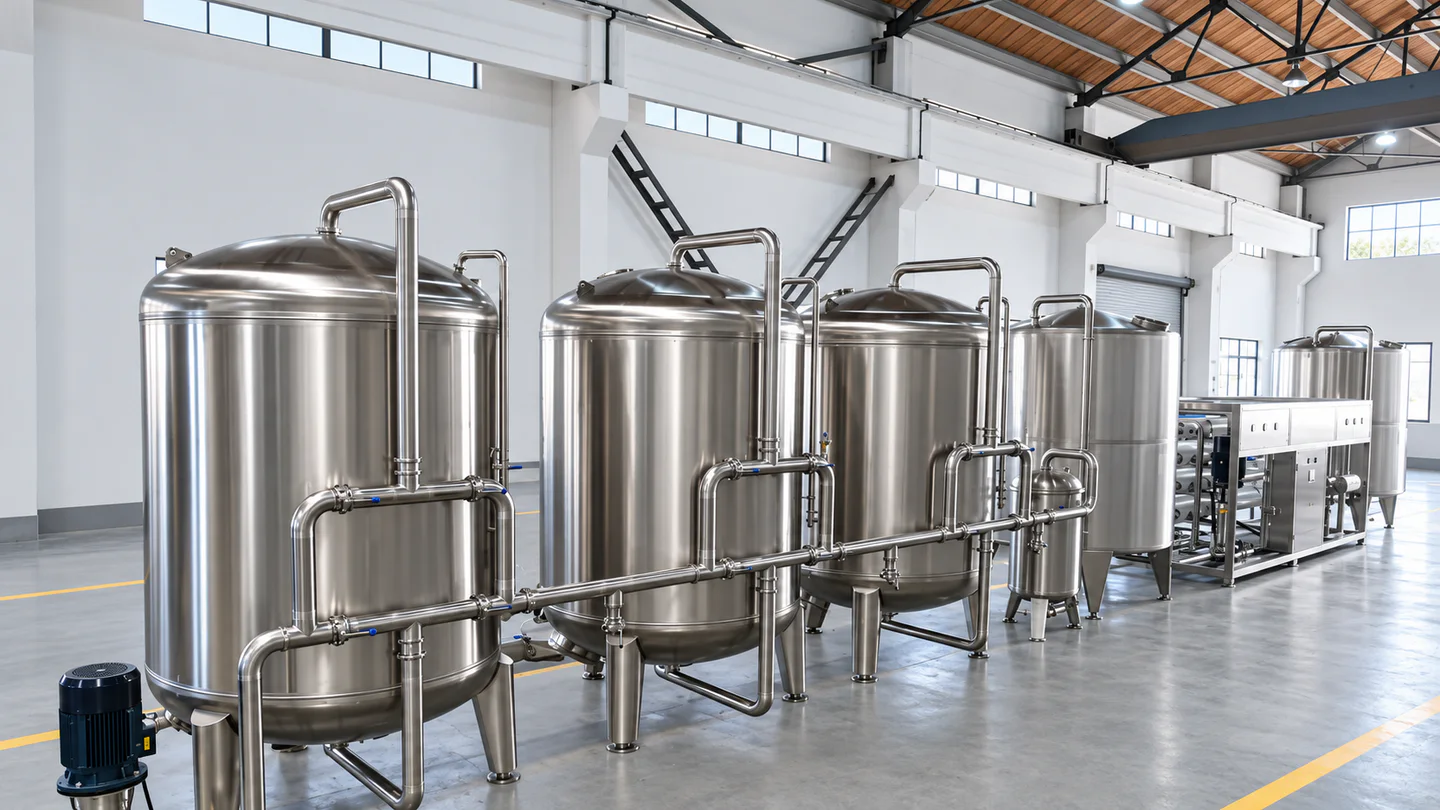
Water treatment system
CNP or Grundfos pumps—top-quality pumps that ensure stable water dosing. FilmTec or Hydranautics RO membranes—top-quality membranes that ensure filtration efficiency and produce safe, clean water. ABB inverters and Siemens PLCs guarantee stable automatic control.
03
Stable automatic filling control
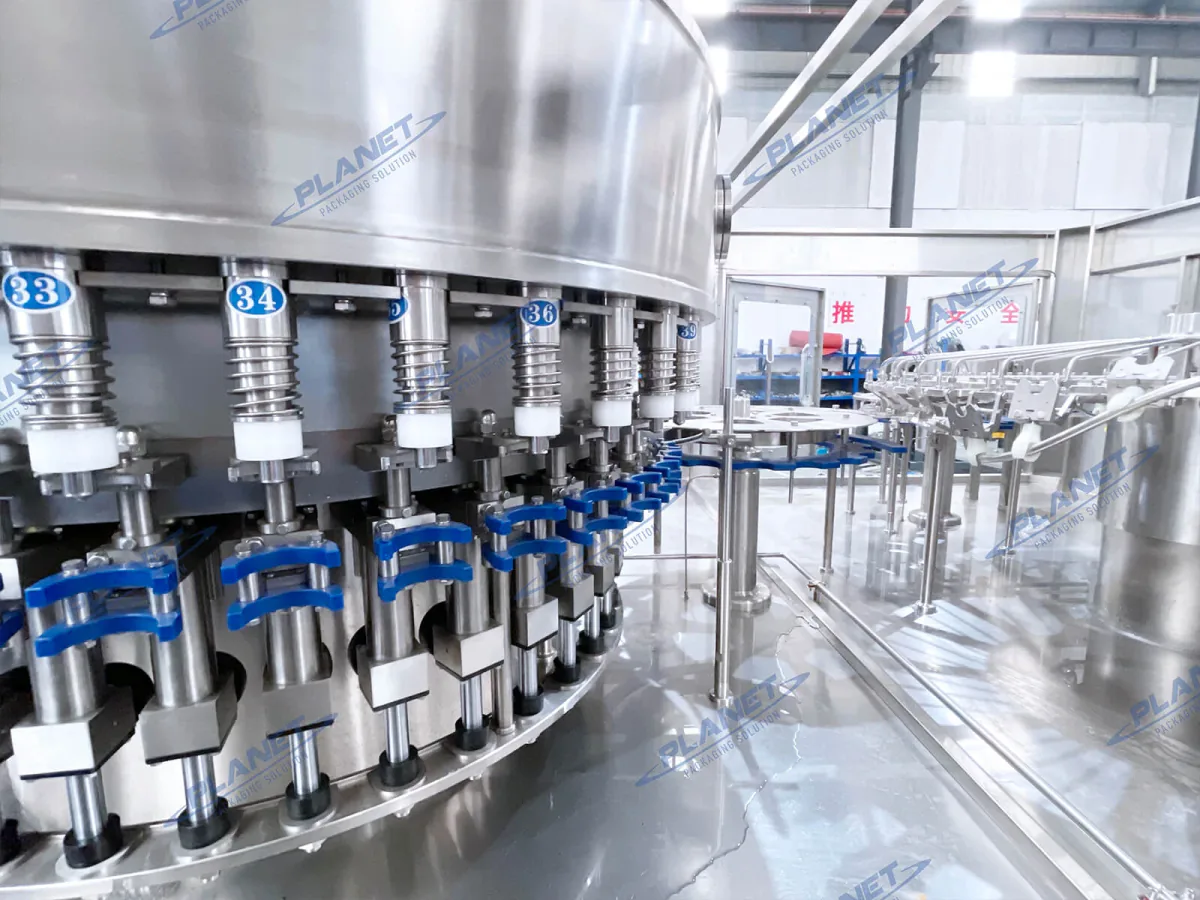
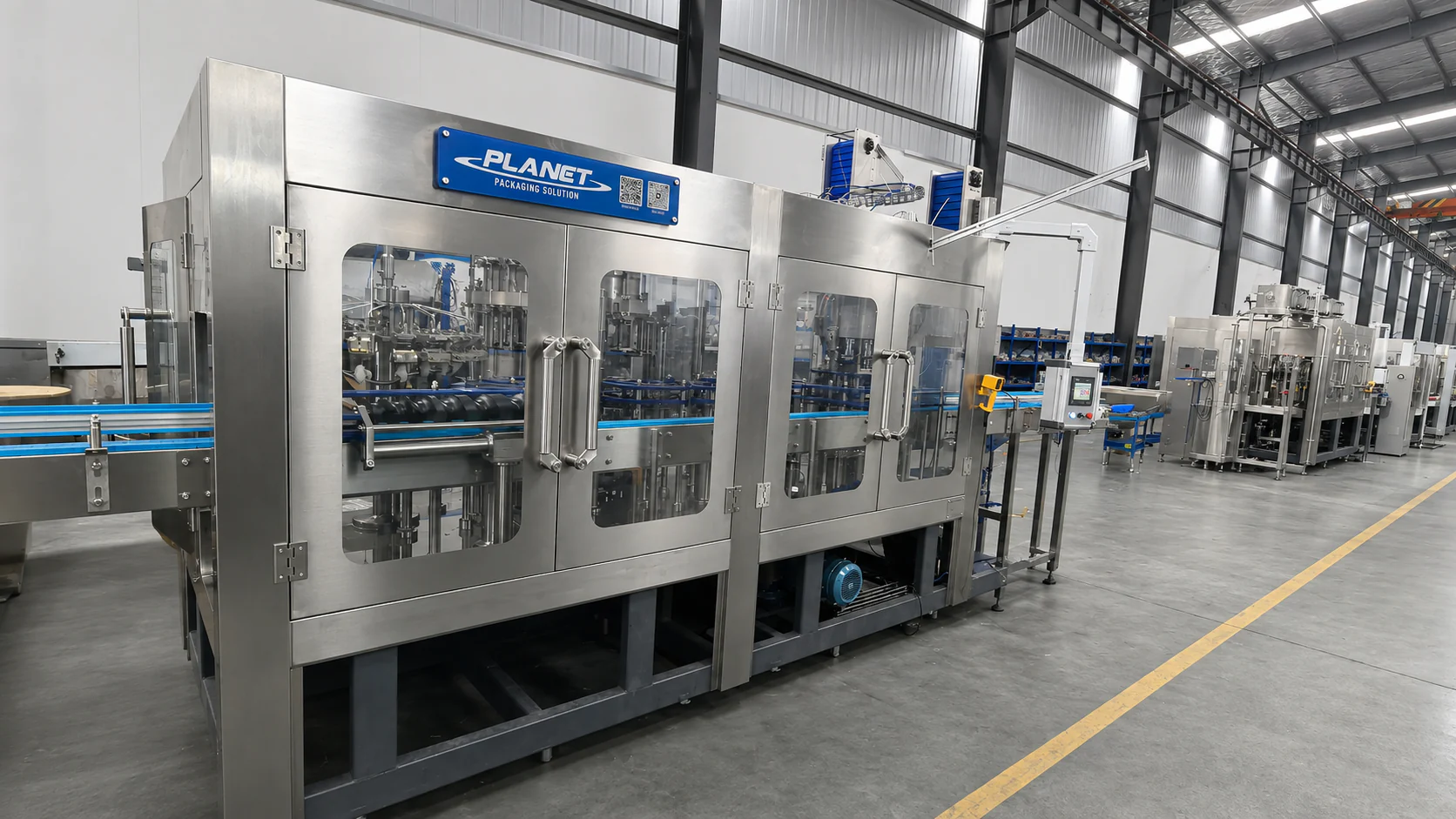
High-quality filling valves provide a consistent liquid level. High-quality electronic components, such as Siemens and Schneider; pneumatic components, such as Festo, SMC and Airtac; and bearings, such as SKF and NSK, help ensure the stable performance of the machine.
04
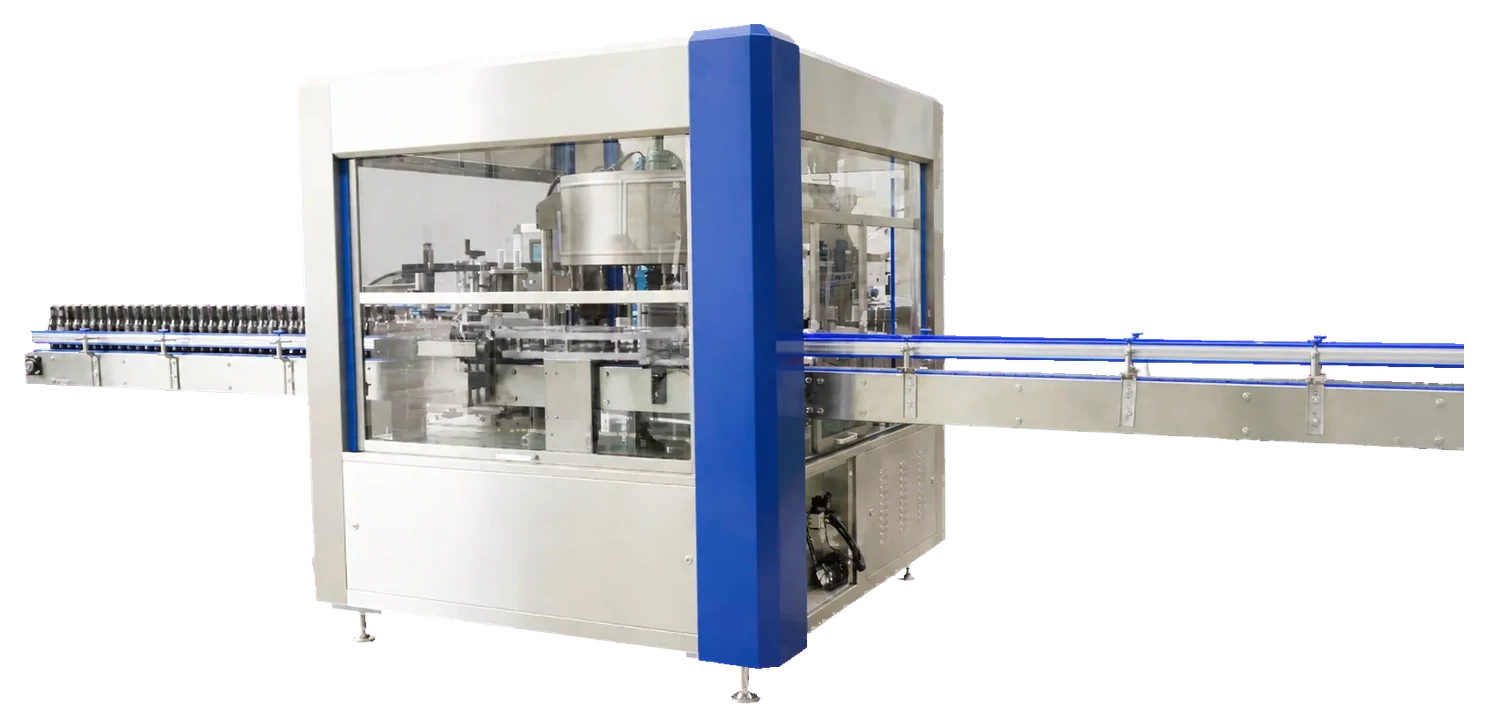
Labeling types
Hot-melt OPP labeling machines, adhesive labeling machines and shrink-sleeve labeling machines are available to meet the different labeling requirements in the market. We can also help our customers design labels.
05
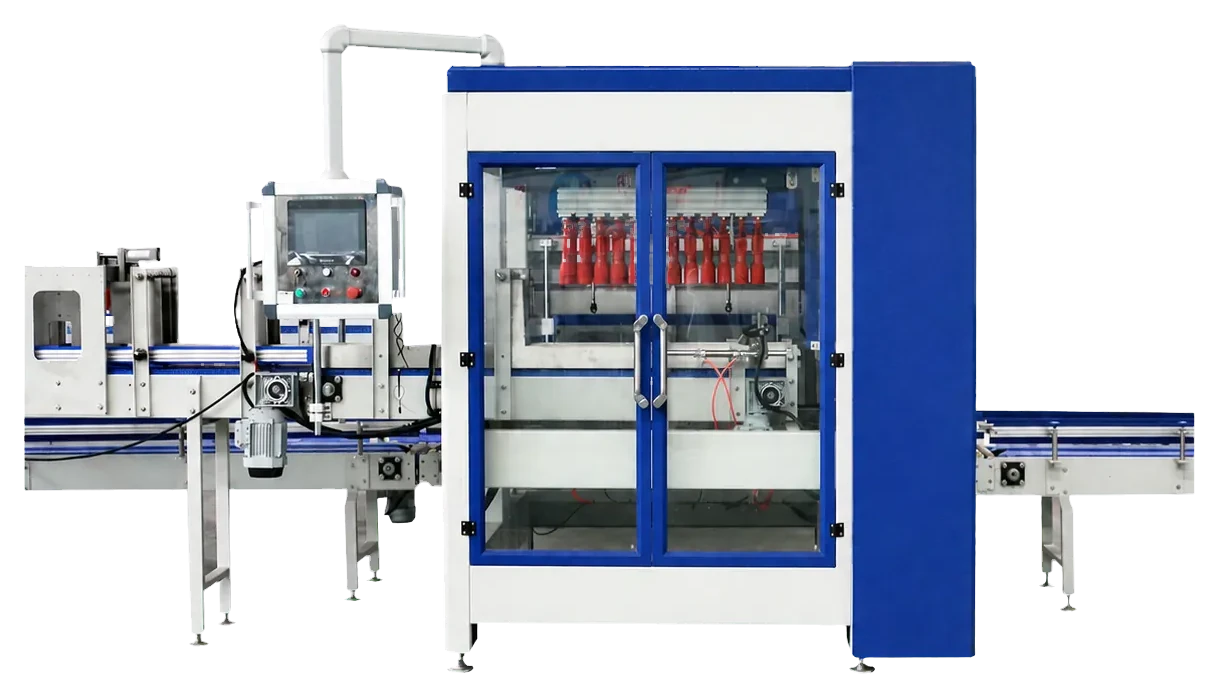
Packaging
Besides standard shrink-wrapping machines, we can also provide case-packing machines and half-tray shrink-wrapping machines, offering a variety of packaging solutions.
06
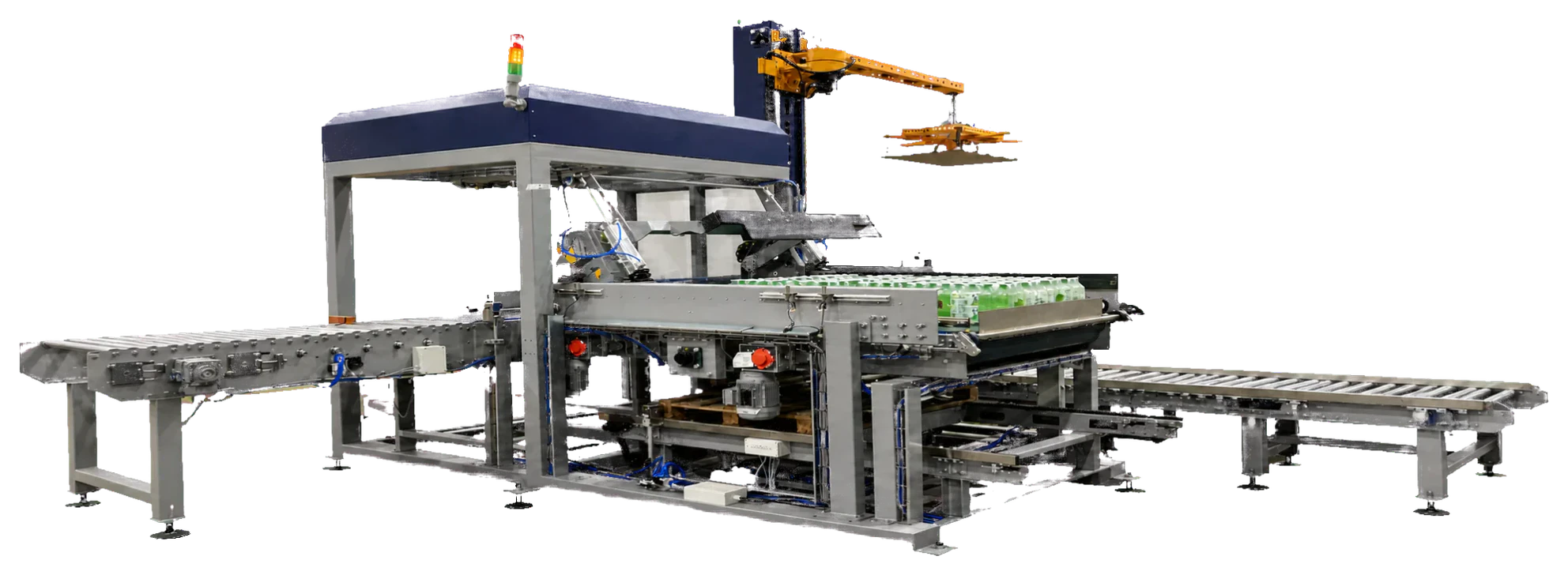
Palletizer
Different palletizer solutions are available for different production capacities and customized requirements.
Model selection
Select from confirmed project inputs.
Glass filler model numbers and published capacities will be added after the manufacturer table is approved. The design below shows exactly which inputs control selection.
01Bottle supply
02Rinse · fill · close
03Pack & palletize
Selection inputWhat to provideStatus
Bottle drawing
Diameter, height, weight and base profile
Required
Closure
Crown cap, aluminium cap or confirmed alternative
Required
Nominal output
Saleable bottles per hour and shift pattern
Required
Label format
Self-adhesive, wet-glue or sleeve
To confirm
Secondary pack
Carton, case or reviewed film format
To confirm
Plant conditions
Layout, utilities, access and operator plan
To confirm
No PET model data has been reused. Final capacity, footprint, power and staffing will be inserted only from confirmed glass-line specifications.
Process
Follow one glass bottle through six steps.
Hover or select a stage to see its equipment, core functions and the handoff that connects it to the next operation.
01Water treatment
1Pretreatment2Membrane system3Hygienic storage
01Treat
Water treatment
Prepare safe, clean process water with pumps, filtration, membrane treatment and automatic control selected from the source-water analysis.
Pumps
CNP or Grundfos
RO membranes
FilmTec or Hydranautics
Automatic control
ABB drive · Siemens PLC
02Glass bottle depalletizing
1Pallet infeed2Layer transfer3Bottle discharge
02Depalletize
Glass bottle depalletizing
Unload varied glass-bottle formats and transfer them into the line with controlled contact, simple operation and stable bottle discharge.
Input
Palletized empty glass bottles
Components
Siemens electrical · Festo pneumatic
Control point
Bottle stability and low-fault operation
03Rinse, fill and close
1Bottle rinser2Filling section3Closure station
03Fill
Rinse, fill and close
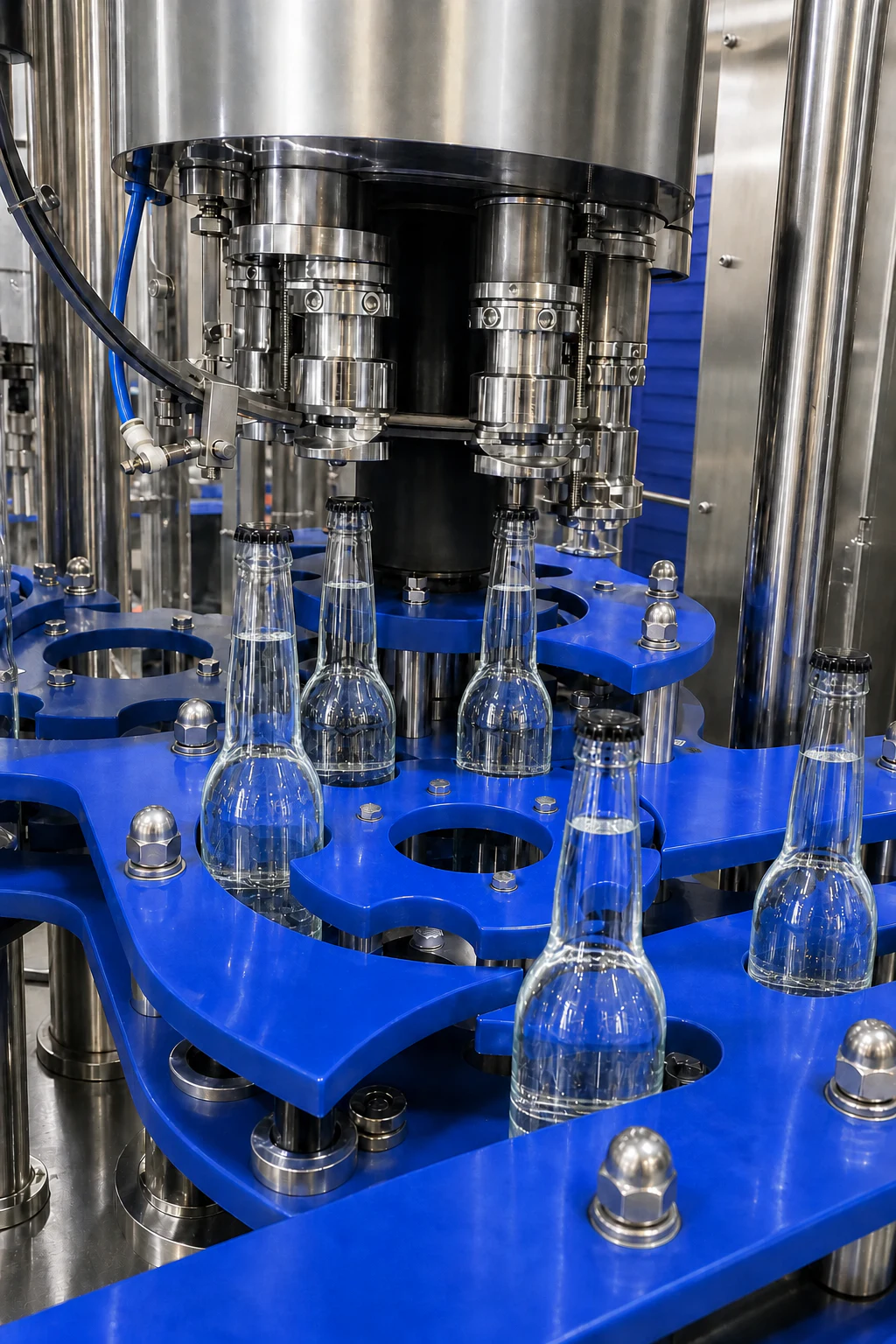
Rinse empty bottles, fill to a consistent liquid level and apply the selected closure in one automatically controlled process core.
Functions
Rinse · fill · close
Core components
Siemens/Schneider · Festo/SMC/Airtac
Rotating parts
SKF or NSK bearings
04Label and code
1Bottle infeed2Label station3Inspect & discharge
04Identify
Label and code
Apply the required label and production code after filling, with the labeling route selected around bottle shape and label material.
Label options
Hot-melt OPP · self-adhesive · shrink sleeve
Support
Customer label-design assistance
Control point
Label position and bottle inspection
05Case pack or film wrap
1Bottle grouping2Pack loading3Pack discharge
05Pack
Case pack or film wrap
Protect finished glass bottles with standard shrink wrapping, case packing or a half-tray shrink format selected for distribution and retail handling.
Pack routes
Shrink wrap · case · half-tray + film
Planning input
Bottle count and divider need
Handoff
Stable packs to pallet handling
06Palletizing
1Pack infeed2Layer forming3Pallet outfeed
06Dispatch
Palletizing
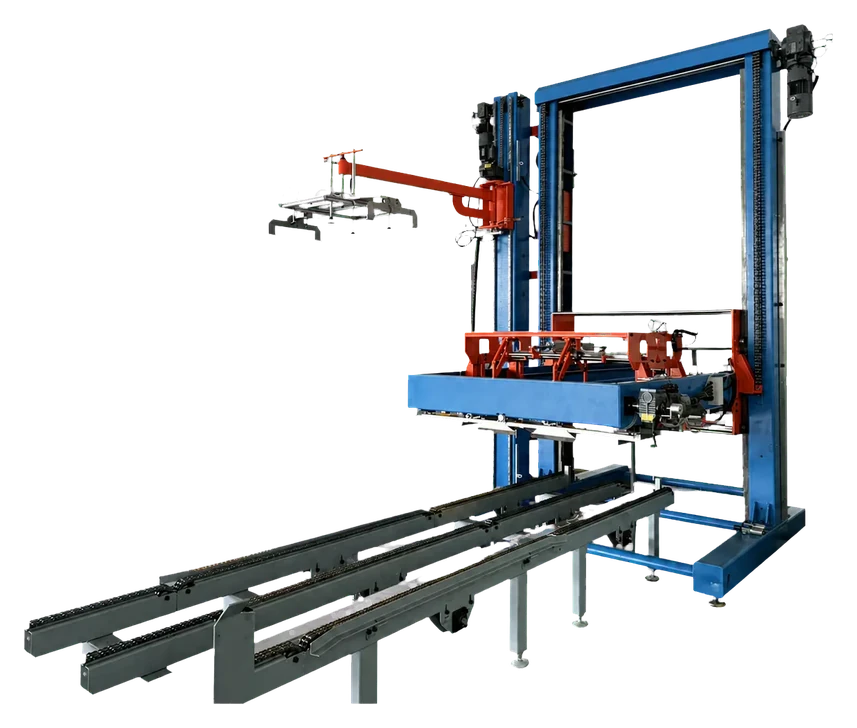
Select a palletizing solution for the confirmed capacity and customized handling requirement, then build stable loads for warehouse dispatch.
Functions
Collate · layer form · palletize
Selection basis
Capacity · pack · warehouse route
Output
Finished loads ready for dispatch
Customer proof
See how line decisions perform in real projects.
Begin with a delivered PET water line, then explore how layout, integration and product decisions adapt across different markets.
100+
Customers
50+
Countries
Since 2004
Manufacturing
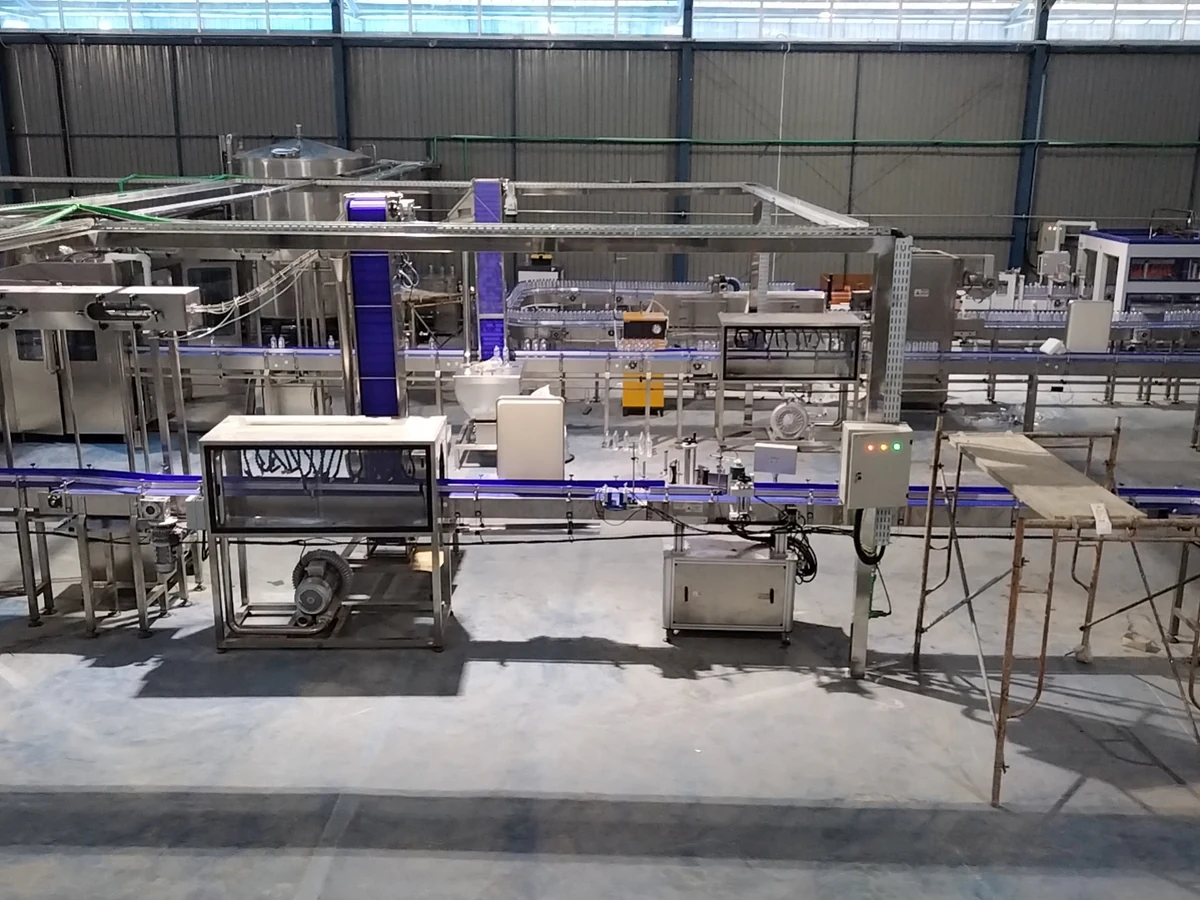
Delivered projectIndonesia · project record
PET bottled water
Indonesia
Delivered with water treatment and support for additional pack formats.
Early technical questions are collected here so the main production route stays easy to follow.
How is glass-bottle line output selected?
Start with the required saleable bottles per shift, bottle volume and available production hours. Then allow for cleaning, format changes, planned stops and realistic line efficiency before the filler and downstream equipment are selected.
Can the line handle returnable glass bottles?
Yes, but returnable bottles require a different upstream route, normally including crate handling, bottle washing and inspection. The current concept shows the empty-bottle depalletizing route and must be adapted when returnable bottles are confirmed.
Which closure types can be used?
Crown caps and aluminium closures are common options. The bottle neck drawing, closure sample, required seal and opening experience must be reviewed before the closing machine is specified.
Should we use case packing or film wrapping?
Glass bottles usually need more protection than PET. Cartons or cases, with dividers where required, are typically reviewed first. A film route should only be selected after bottle stability, contact and transport tests are confirmed.
How is water treatment determined?
Use a source-water laboratory report, the target finished-water profile and local regulations. These inputs define filtration, membrane, disinfection, storage and cleaning requirements.
Line inquiry
Plan your glass water line.
Send the bottle drawing, closure, water type, output and pack format. These inputs let the engineering team prepare a suitable route and the missing confirmed specifications.
Bottle Water Output Label Pack
Request a line proposalProject details sent directly to the engineering team
Inquiry received.
Our team will follow up on the missing glass-line inputs.

 Delivered project
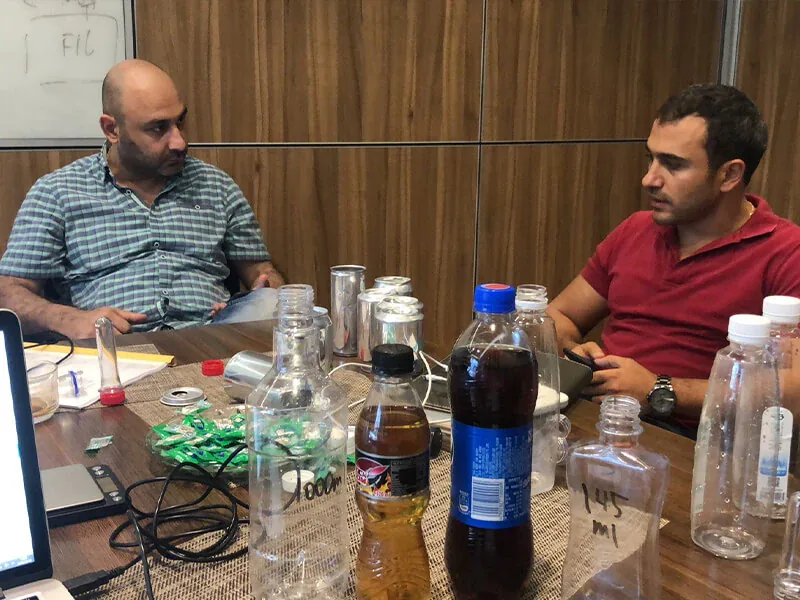
 Project discussionCustomer team · Indonesia