
Juice solution / Aseptic PET
Complete Aseptic
PET Juice Filling Line
Connect recipe preparation, validated thermal treatment, sterile product buffering, PET package sterilization and protected filling as one controlled production route.
Request a line proposal- Food safety
- Product integrity
- Balanced output
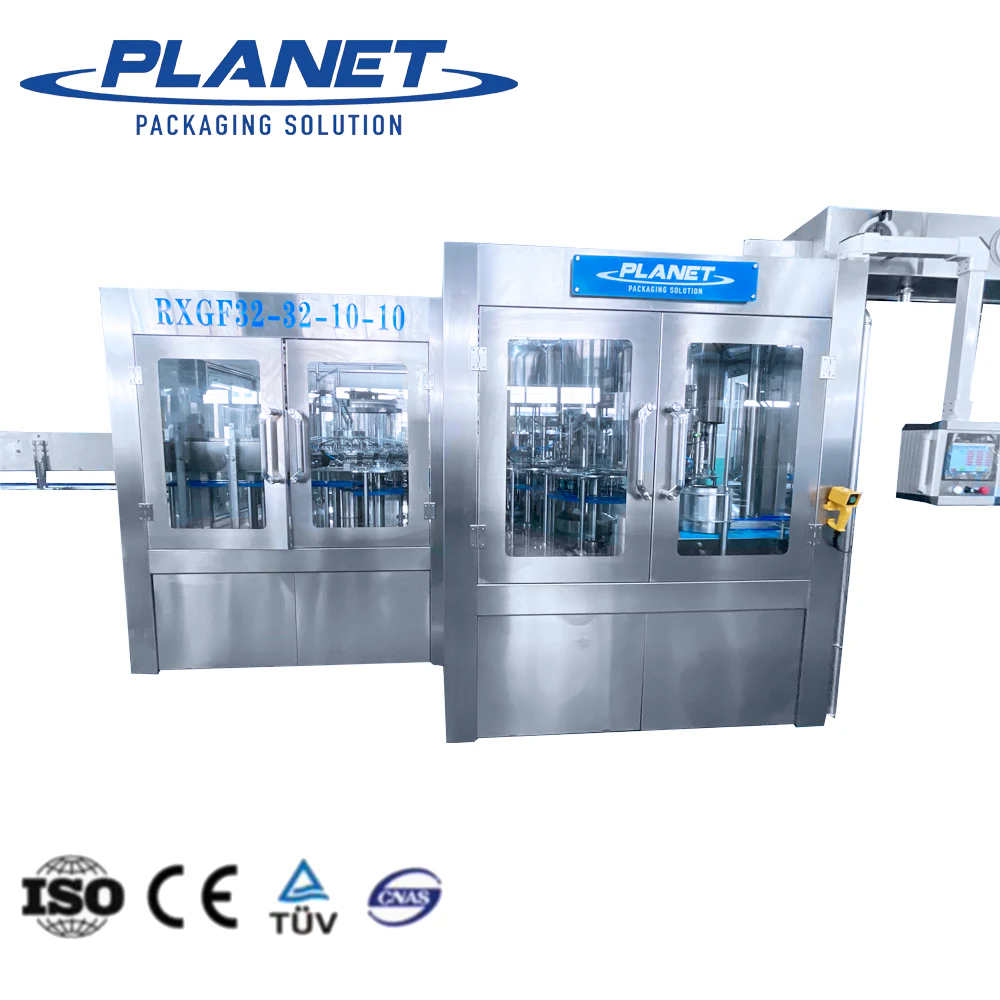
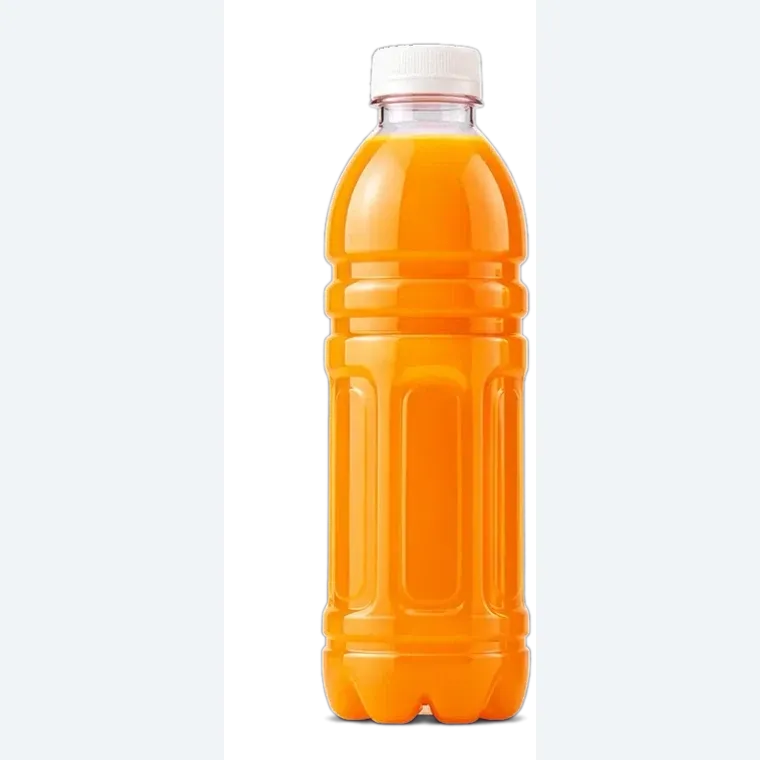
Line scope
From prepared juice to aseptically filled PET bottles.
The line is engineered around two protected routes: the beverage is prepared, thermally treated and cooled; the bottle and closure are prepared separately. Both routes meet inside the controlled filling environment.
System architecture
Two preparation paths.
One protected handoff.
Product and packaging are controlled independently until the aseptic filling boundary. Final scope follows the validated recipe, package and plant conditions.
- Blend
- Thermal treatment
- Aseptic buffer
- PET supply
- Bottle & cap treatment
- Sterile transfer
Engineering features
Designed around the conditions that matter.
Each feature turns an early product or package decision into a practical line-design requirement.
- 01
Recipe-led engineering
The pH, Brix, pulp, oxygen sensitivity and ingredient profile define the product path—not a generic filler rating.
- 02
Separated sterile boundary
Product treatment, buffer, package preparation, sterile air and filling are reviewed as one connected barrier system.
- 03
Ambient-temperature package
The treated beverage is cooled before filling, reducing the thermal load placed on the PET bottle.
- 04
CIP and SIP integration
Cleaning recipes, sterilization sequences, return paths and recovery states are planned with the line controls.
- 05
Project-specific capacity
Net output is confirmed from bottle size, process cycle, sterilization route, changeovers and downstream efficiency.
- 06
Future product flexibility
Change parts and process recipes are scoped around the actual package family and planned beverage portfolio.
Project configuration
Select the system from evidence, not a catalog label.
Aseptic line capacity and equipment are project-specific. This matrix shows the inputs engineering needs before a machine, utility list or layout can be responsibly confirmed.
Production process
Eight stages. One controlled aseptic route.
Explore the purpose, confirmation inputs and handoff at each production stage—from process water to finished pallets.
01Process-water treatment
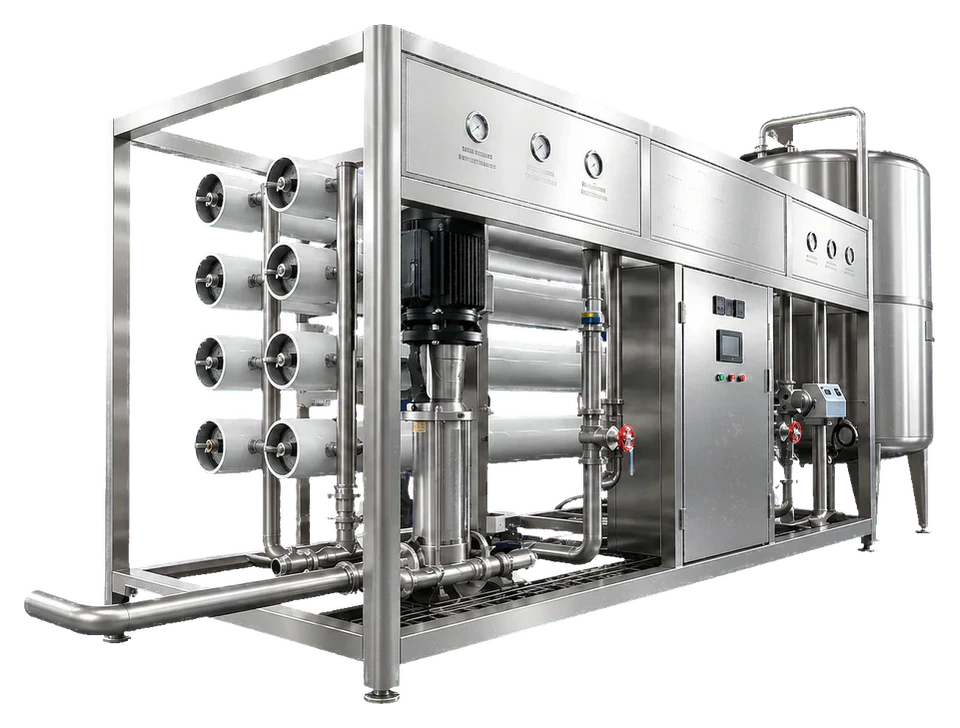 Stage 01Aseptic PET
Process-water treatment
Prepare consistent process water for recipe preparation, final rinsing and utility duties. The treatment train is selected from the source-water analysis and the validated product requirements.
- Purpose
- Stable water quality for product and utilities
- Confirm
- Source-water report · required finished quality
- Handoff
- Treated water to preparation and utilities
02Recipe preparation
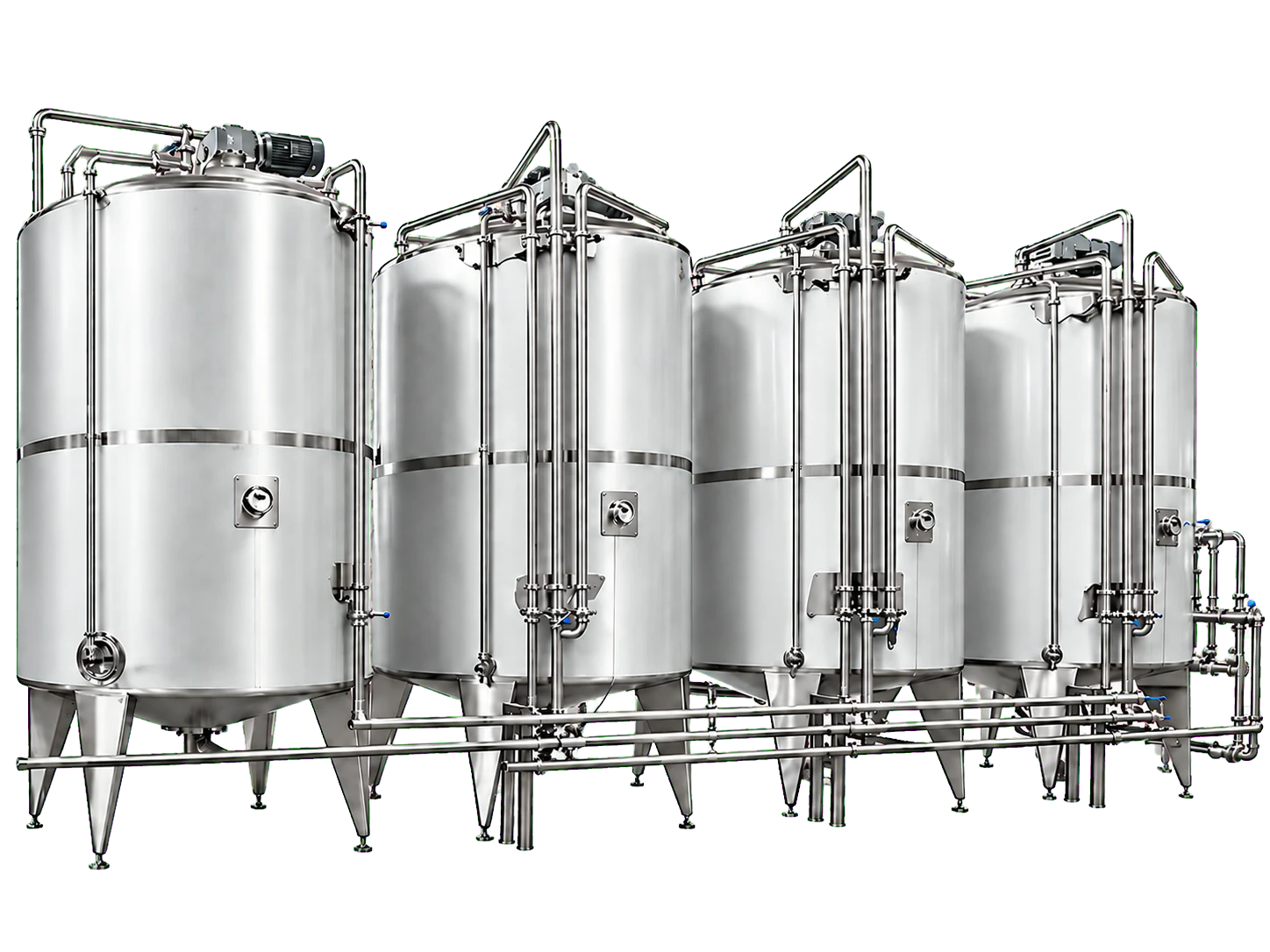 Stage 02Aseptic PET
Recipe preparation
Dissolve, blend, filter and standardize the approved recipe. Brix, acidity, pulp or fiber, oxygen sensitivity and ingredient sequence define the preparation equipment.
- Purpose
- Build the approved beverage recipe
- Confirm
- Brix · pH · pulp · ingredients
- Handoff
- Prepared product to thermal treatment
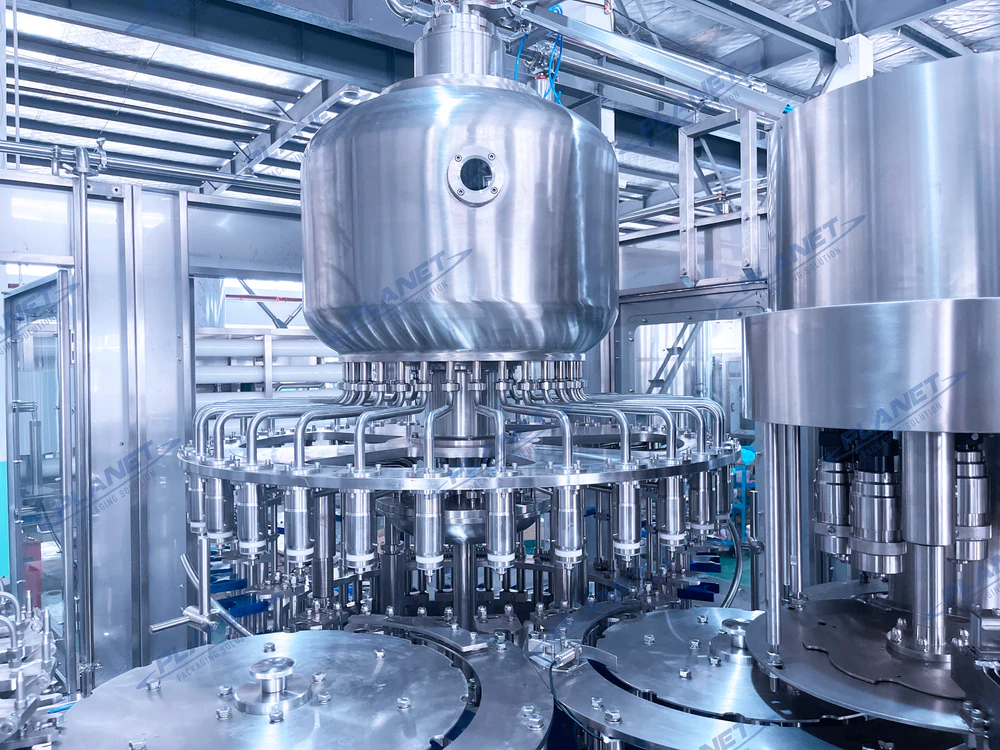
03Product thermal treatment
 Stage 03Aseptic PET
Product thermal treatment
Heat, hold and cool the beverage using a recipe-specific validated process. The system must preserve product quality while delivering the required commercial-sterility objective.
- Purpose
- Validated product treatment
- Confirm
- Recipe · target process · hold time · cooling
- Handoff
- Sterile product to the aseptic buffer
04Aseptic buffer tank
Aseptic tank image placeholderProject-specific equipmentStage 04Aseptic PETAseptic buffer tank
Maintain treated product under controlled sterile conditions and decouple the thermal system from the filler during normal line balancing.
- Purpose
- Sterile product buffering
- Confirm
- Volume · residence time · sterile-gas system
- Handoff
- Protected product to the filler
05Bottle & closure sterilization
PET package sterilization image placeholderProject-specific equipmentStage 05Aseptic PETBottle & closure sterilization
Prepare the PET bottle and closure for aseptic filling using the validated wet or dry sterilization route. Chemistry, concentration, contact time and residue control are project-specific.
- Purpose
- Control package bioburden before filling
- Confirm
- Bottle · cap · sterilant route · validation plan
- Handoff
- Prepared package into the sterile zone
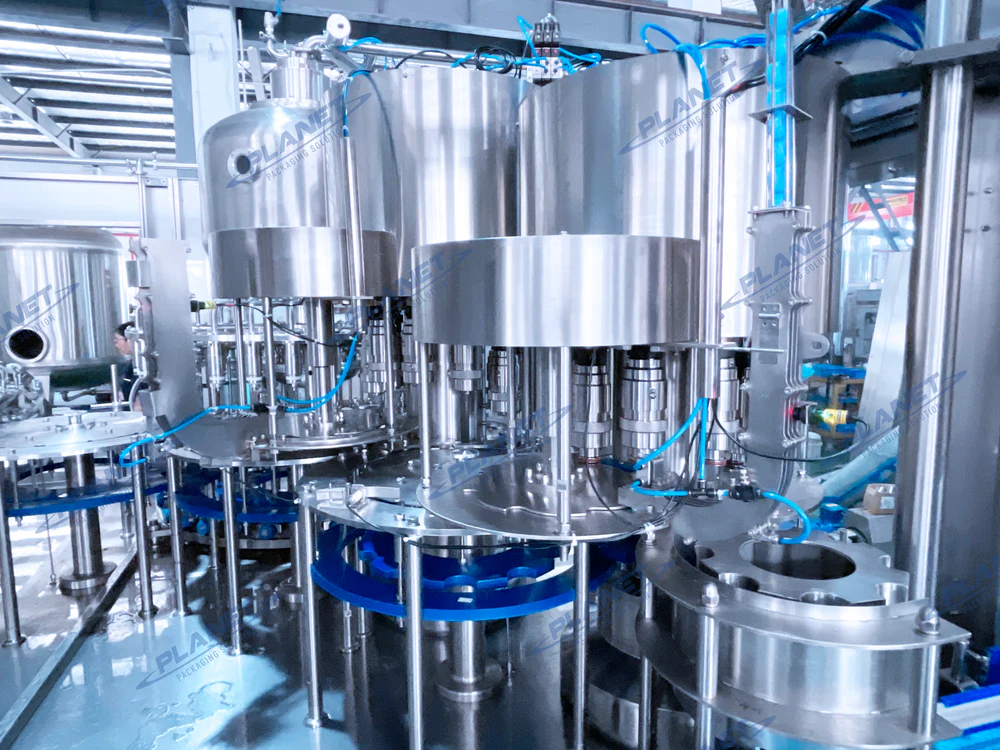
06Aseptic fill & cap
 Stage 06Aseptic PET
Aseptic fill & cap
Fill cooled product and apply the closure inside a controlled sterile environment. Sterile-air management, machine barriers and hygienic transfers are engineered as one system.
- Purpose
- Protect the sterile product during filling
- Confirm
- Bottle drawing · cap · fill volume · output
- Handoff
- Closed bottles to inspection
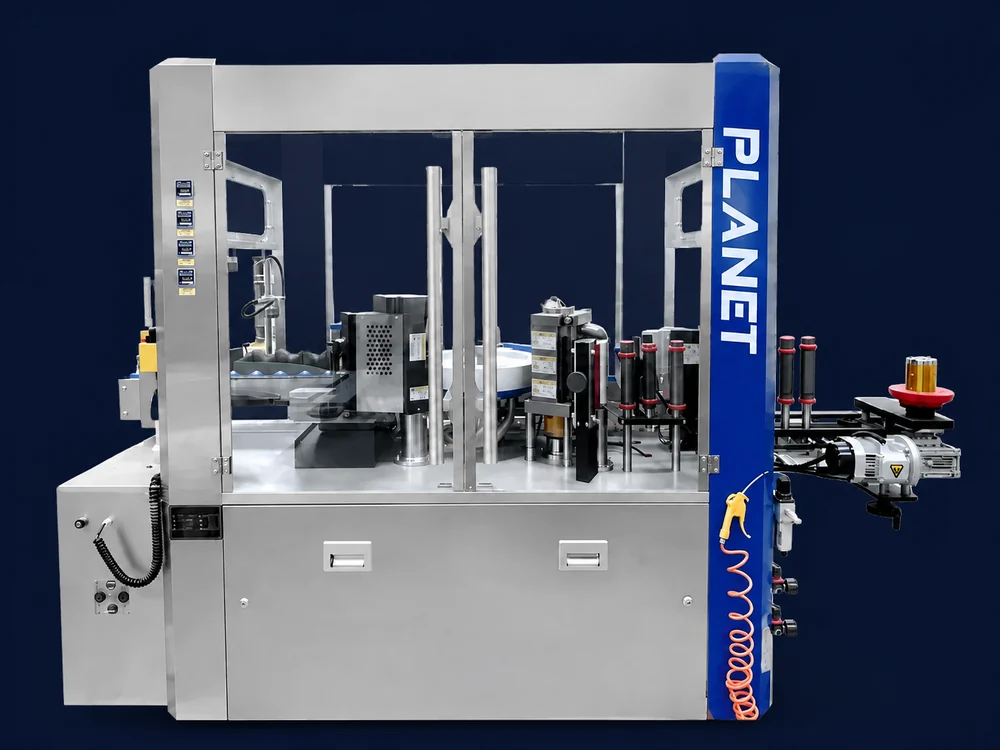
07Inspect, code & label
 Stage 07Aseptic PET
Inspect, code & label
Check fill level, closure presence and package condition, then apply the selected label and production code. Reject logic and data records follow the agreed quality plan.
- Purpose
- Verify and identify the finished bottle
- Confirm
- Inspection points · label · code location
- Handoff
- Accepted bottles to packing
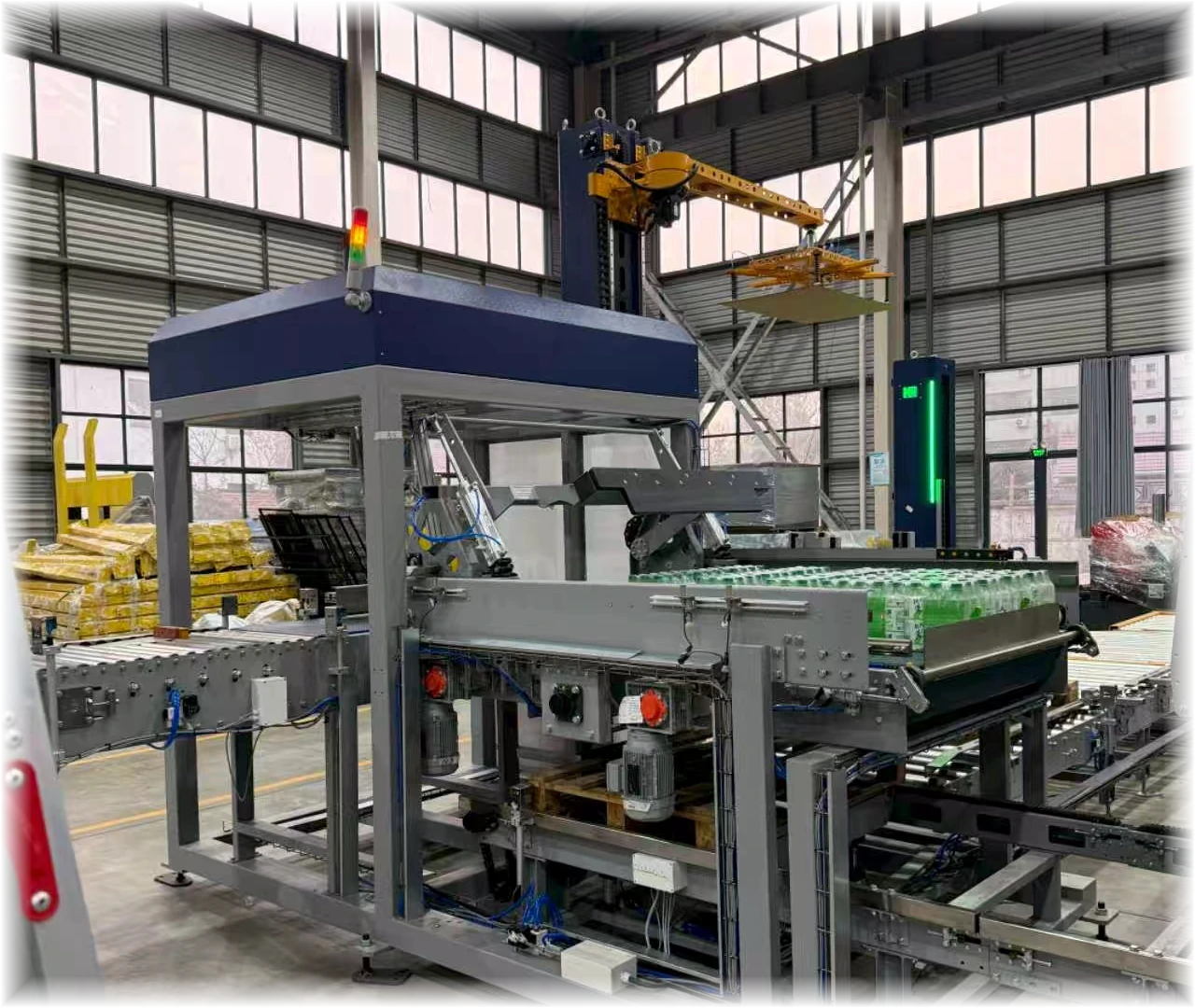
08Pack & palletize
 Stage 08Aseptic PET
Pack & palletize
Group bottles into the agreed retail or transport pack and build stable pallet loads. End-of-line speed is balanced with the required net line output.
- Options
- Film · tray and film · carton
- Confirm
- Pack count · pallet pattern · load height
- Handoff
- Finished pallets to dispatch
Process-control boundaries
Built-in quality at every stage.
The control plan should connect physical process states with evidence that operators can review after production.
- Product time & temperature
- Sterile-zone pressure state
- Sterilization-cycle status
- Package-treatment conditions
- Fill and closure inspection
- Alarms, interventions & traceability
FAQ
Aseptic line decisions, clarified.
Early technical questions are collected here so the production and validation boundary stays clear.
What information is needed for an aseptic line proposal?
Provide the recipe or product category, pH, Brix, pulp or fiber content, target shelf life, bottle and closure drawings, size range, required net output, packaging format, plant utilities and the intended validation approach.
Is an aseptic line suitable for both high-acid and low-acid beverages?
The process can be engineered for different product groups, but the thermal process, hygienic boundary and validation burden are not interchangeable. Every recipe must be reviewed against its own microbiological and quality risks.
How is the PET bottle sterilized?
The project may use a wet or dry treatment concept depending on the bottle, closure, line architecture and validation plan. Sterilant type, concentration, contact time and residual limits must be confirmed during engineering.
Can the line handle pulp or particles?
Potentially, but particle size, concentration and distribution directly affect pumps, heat exchangers, valves and filling technology. Product samples and a detailed recipe are needed before equipment selection.
Can you publish a guaranteed shelf life or sterile performance here?
No. Shelf life and aseptic performance depend on the validated product, package, process, sanitation program and operating discipline. Project commitments are established only after those inputs and acceptance criteria are agreed.
Line inquiry
Define your aseptic PET project.
Send the recipe, bottle and closure drawings, required output, shelf-life objective, package format, utilities and intended validation plan. Engineering can then define a credible process route and proposal.
Inquiry received.
Our engineering team will follow up on the missing aseptic-line inputs.