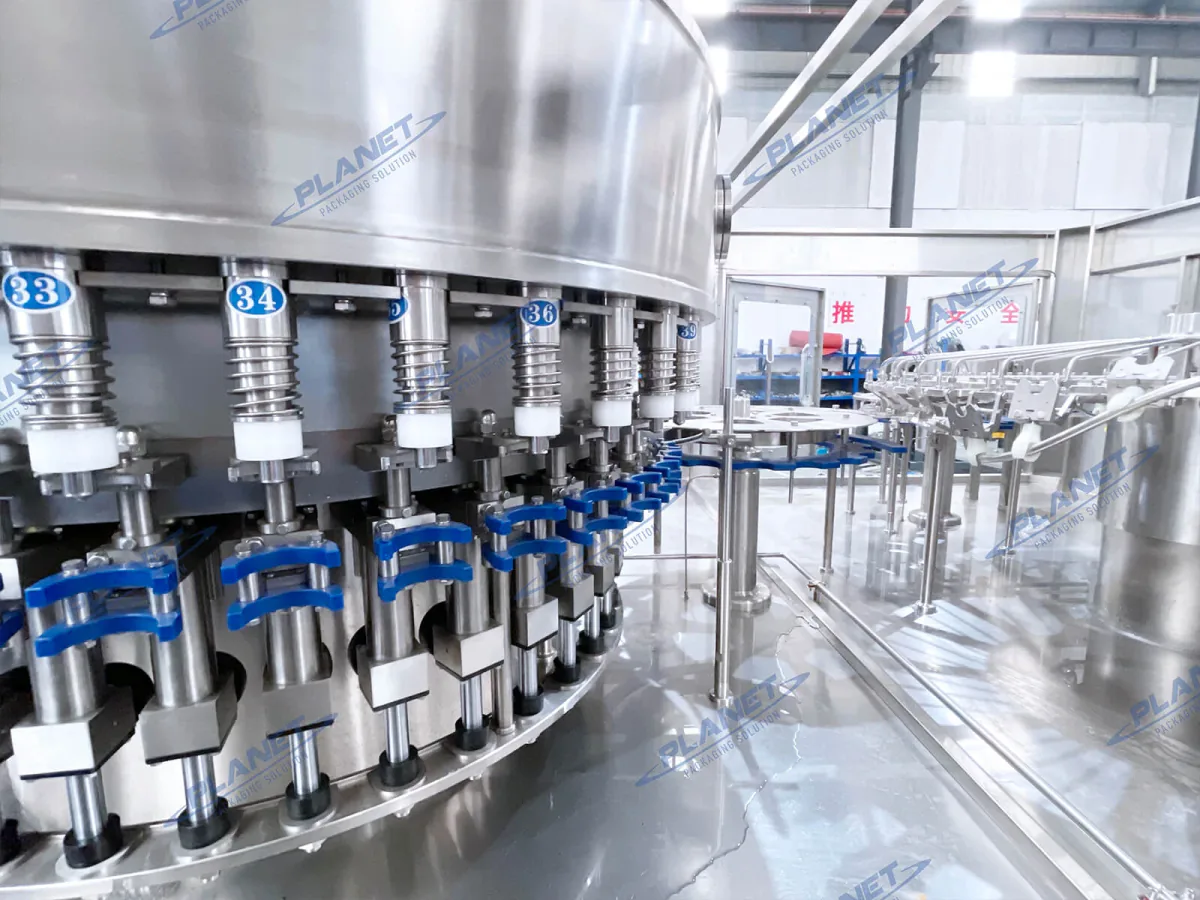
CGF14-12-5
4,000–5,000 BPH
Technical specifications
- Rinse / fill / cap heads
- 14 / 12 / 5
- Filler power
- 3 kW
- L × W × H
- 2360 × 1770 × 2350 mm
- Weight
- 2,000 kg
Water solution / PET container
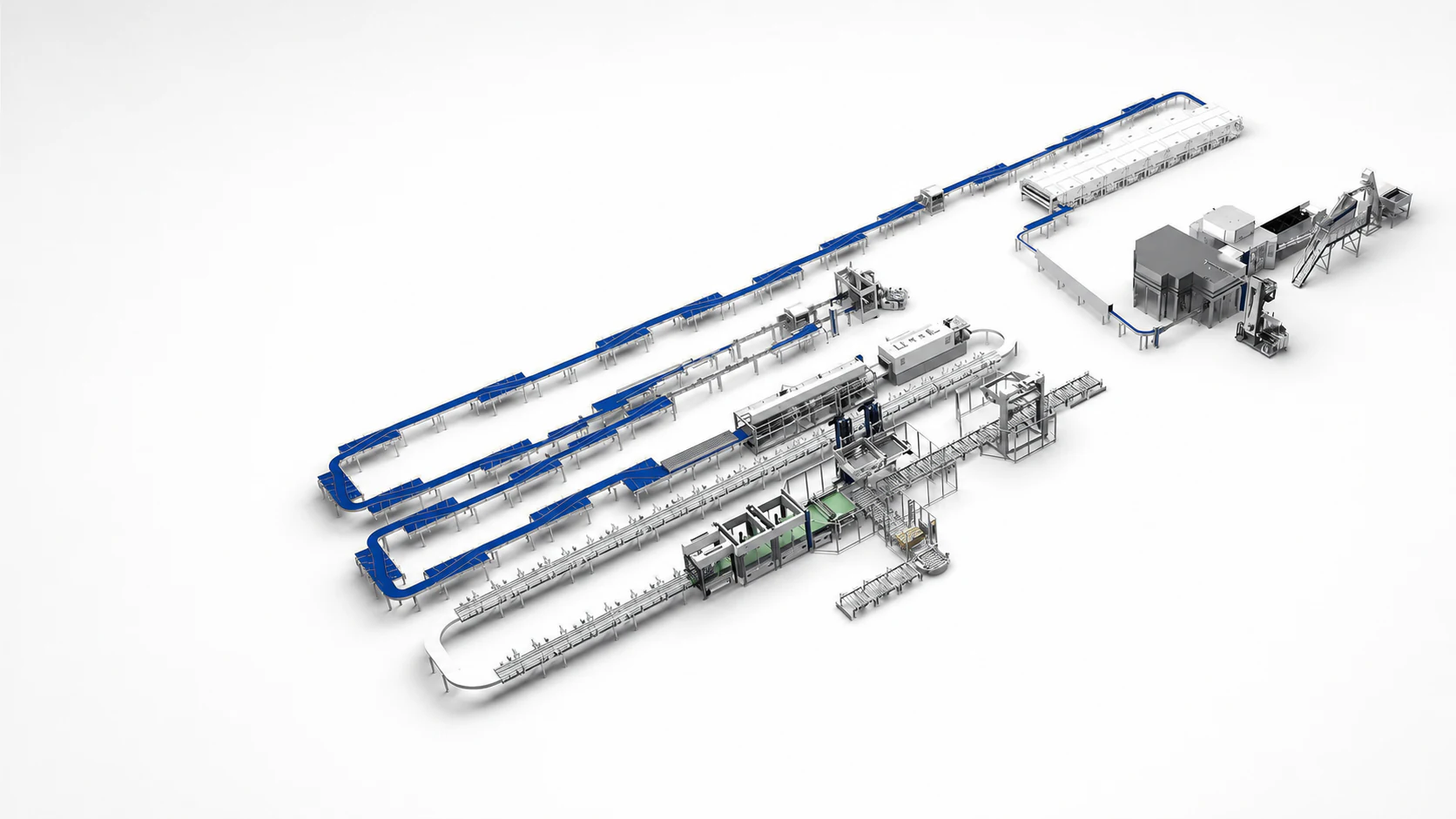
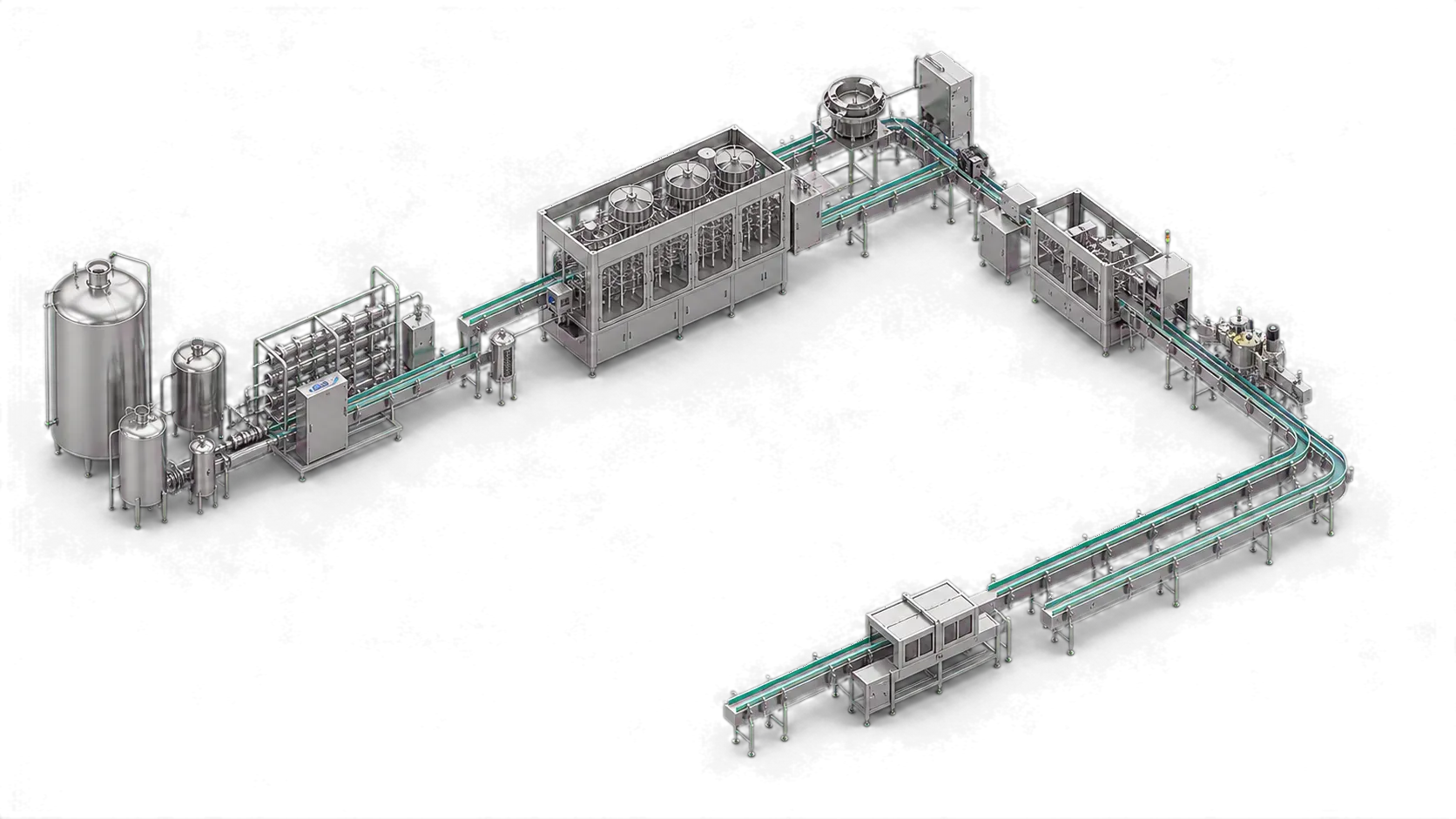
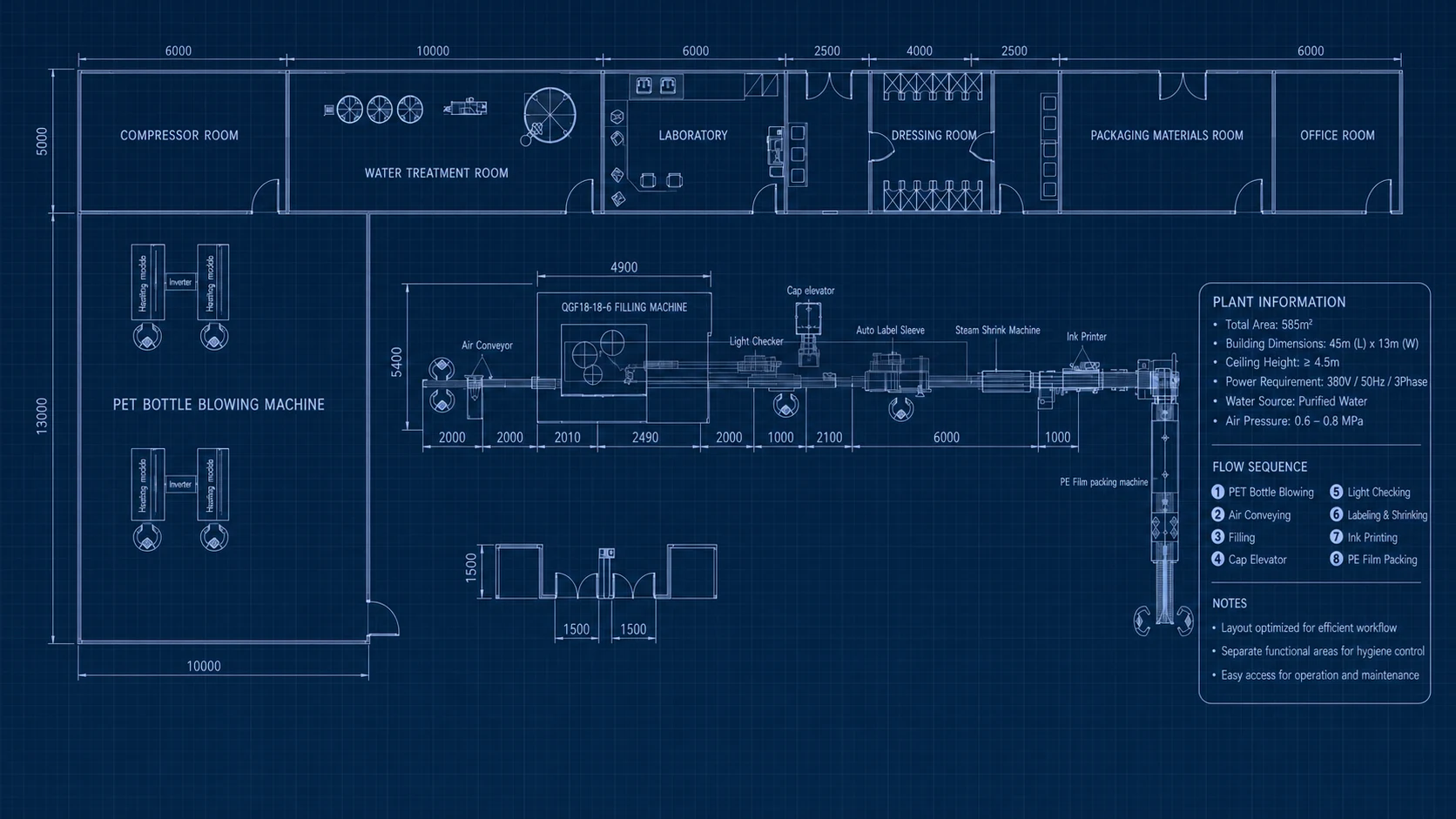
Configure one connected route from water treatment and bottle supply to filling, packing and finished-pallet handling.
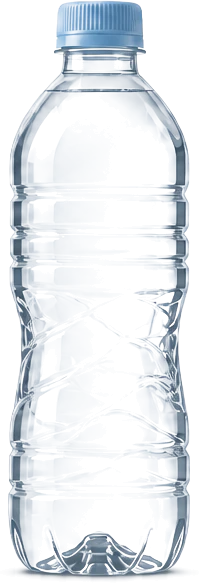
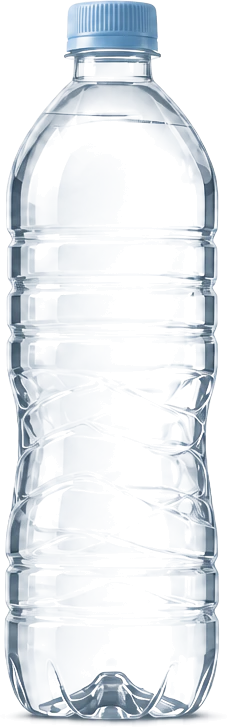
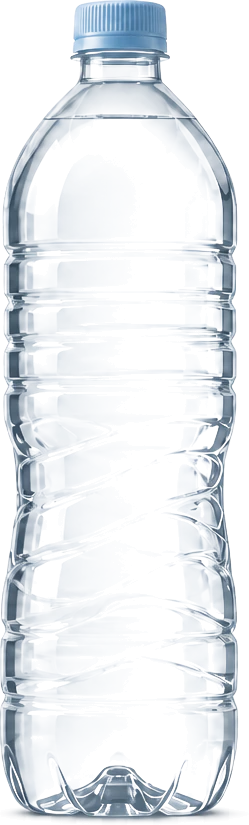
Line overview
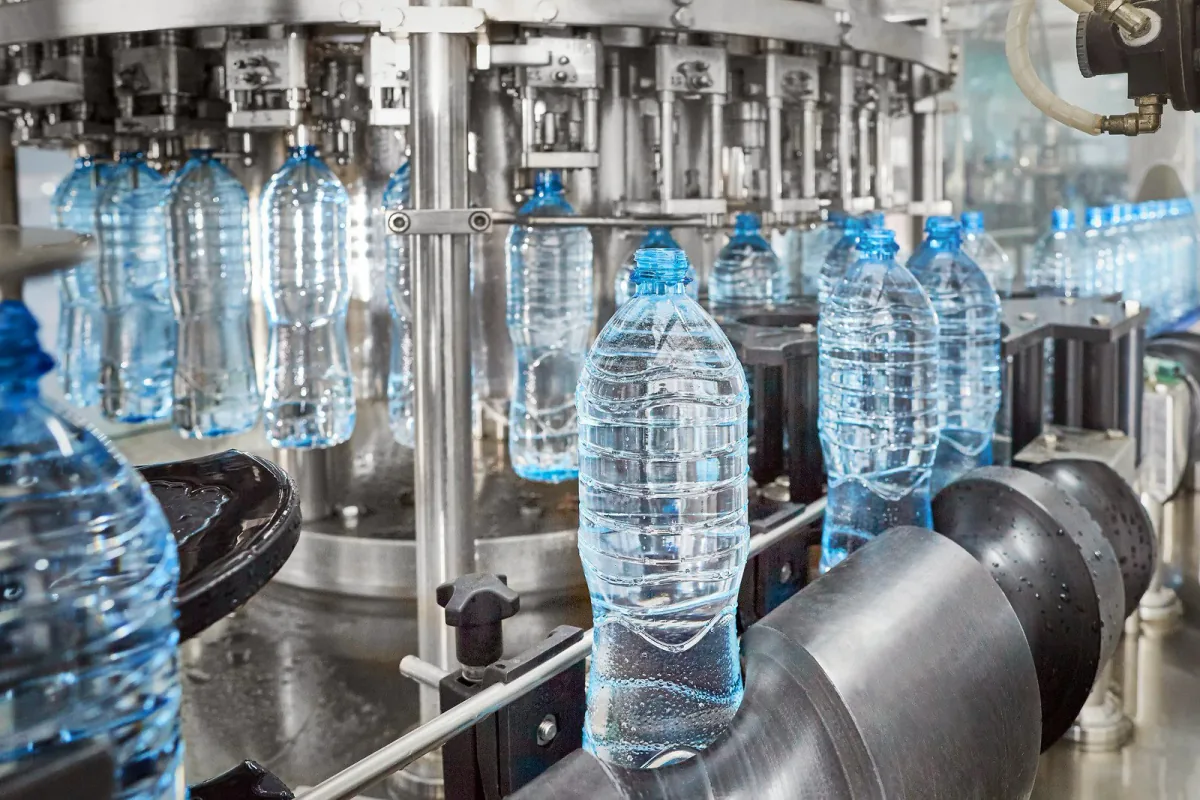
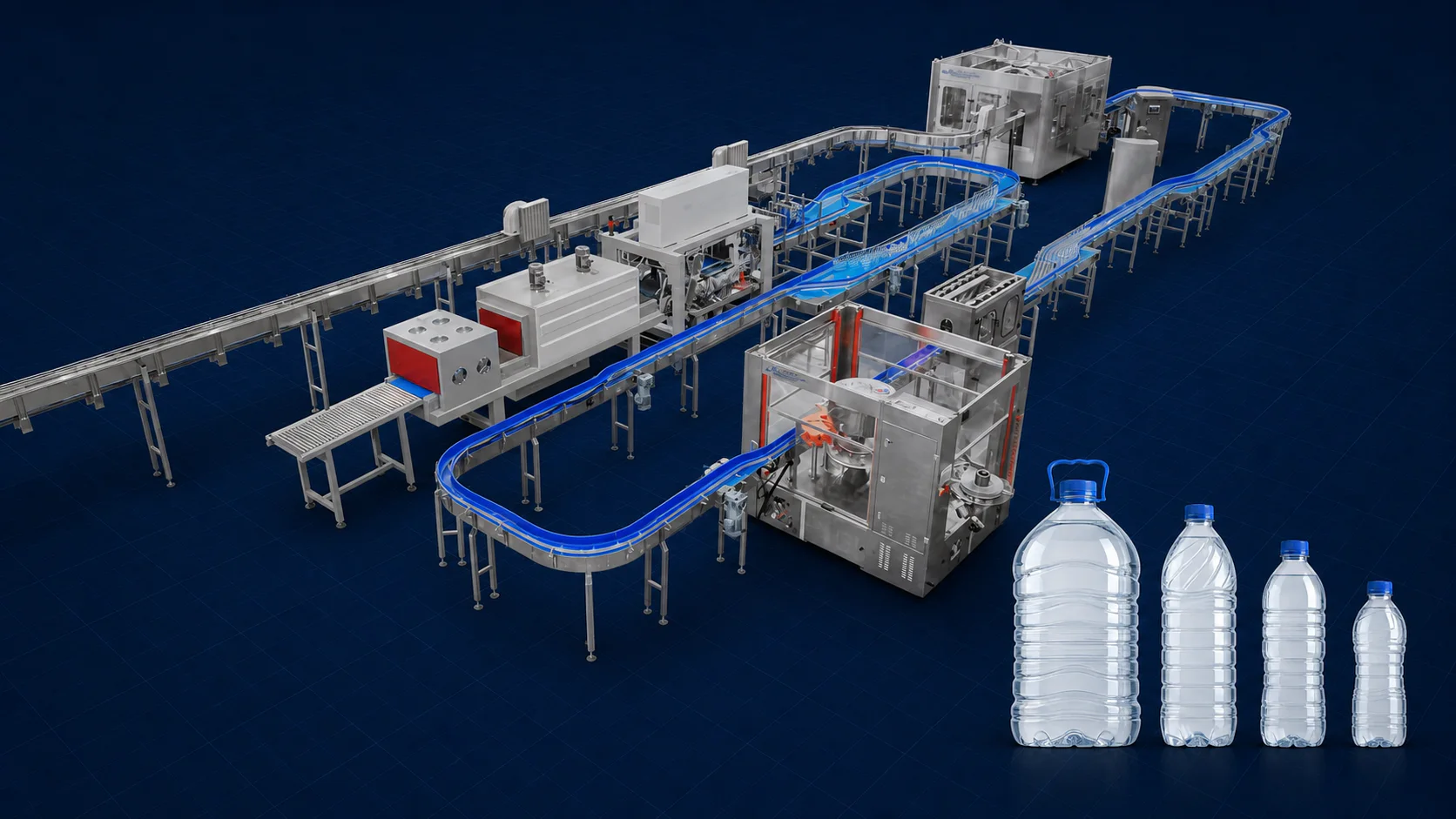
Configure purified, natural mineral, spring or formulated water in PET bottles from 200 mL to 2 L. The line is engineered as one production flow, balancing water treatment, bottle supply, hygienic filling and end-of-line handling around the output you need.
Production walkthrough
See PET preforms moving through production equipment in this short preview. Press play to watch.
00:10 · Equipment previewKey features
Filling consistency, proven component choices and flexible downstream equipment are configured as one complete PET water route.
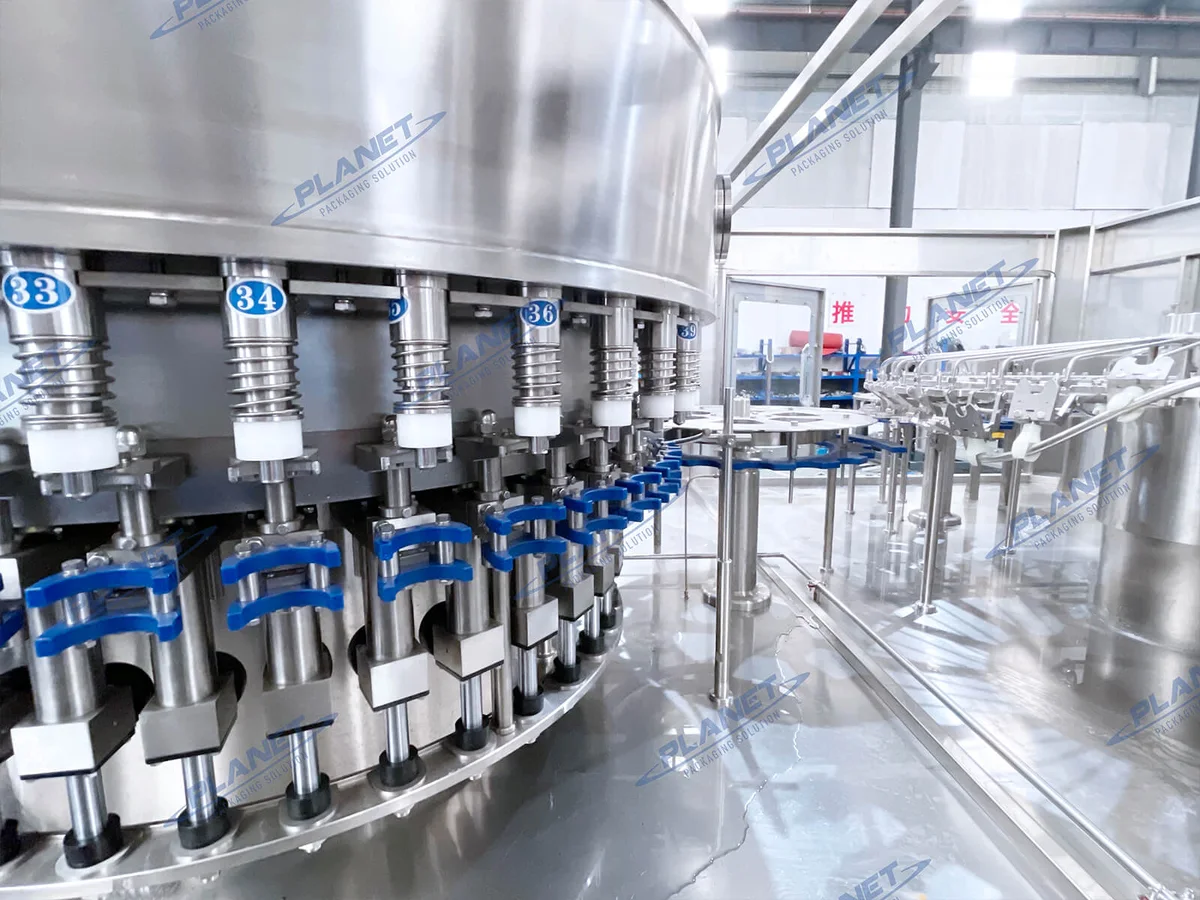
Stable filling levels are achieved by using high-quality filling valves, from mechanical valves to flowmeter-type valves, to make sure each bottle is filled to the same level. This helps you reduce product loss and build your brand reputation.
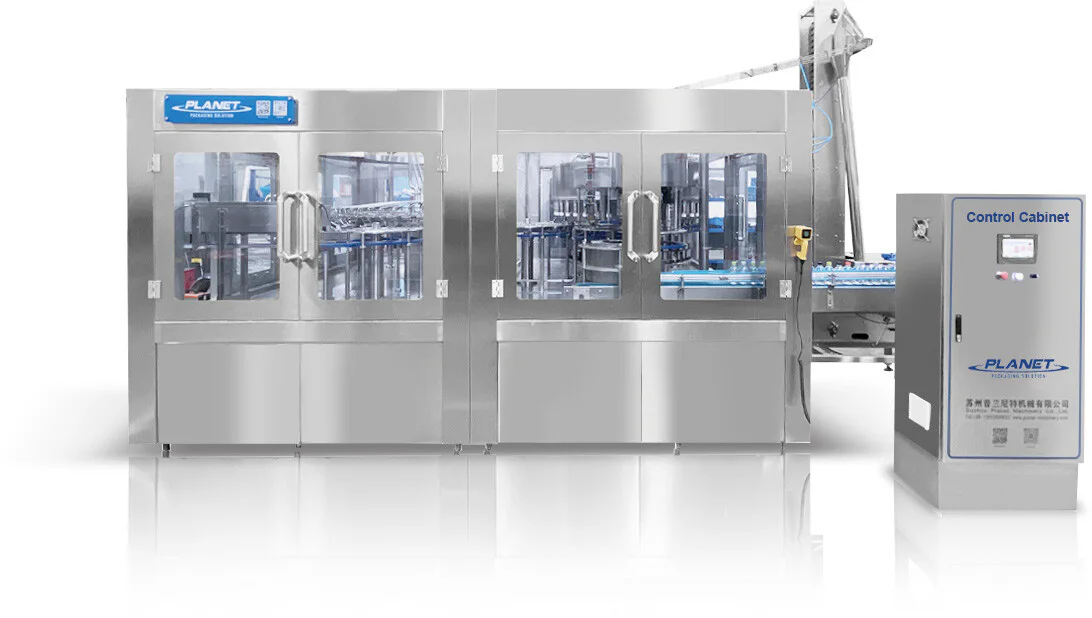
High-quality electronic components, such as Siemens and Schneider. High-quality pneumatic components, such as Festo, SMC and Airtac. High-quality bearings, such as SKF and NSK. Top-quality components help ensure the stable performance of the machine.
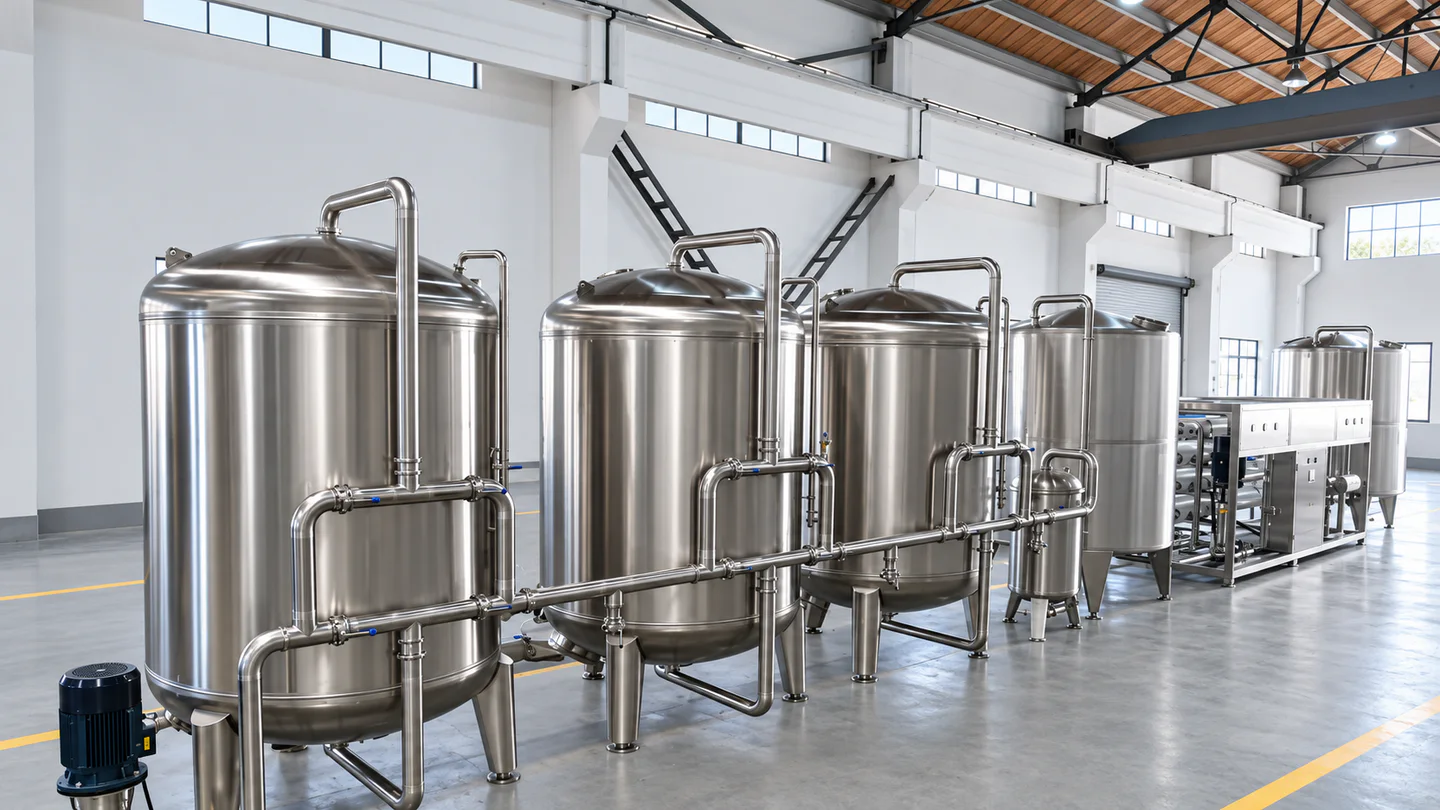
CNP or Grundfos pumps—top-quality pumps that ensure stable water dosing. FilmTec or Hydranautics RO membranes—top-quality membranes that ensure filtration efficiency and produce safe, clean water. ABB inverters and Siemens PLCs guarantee stable automatic control.
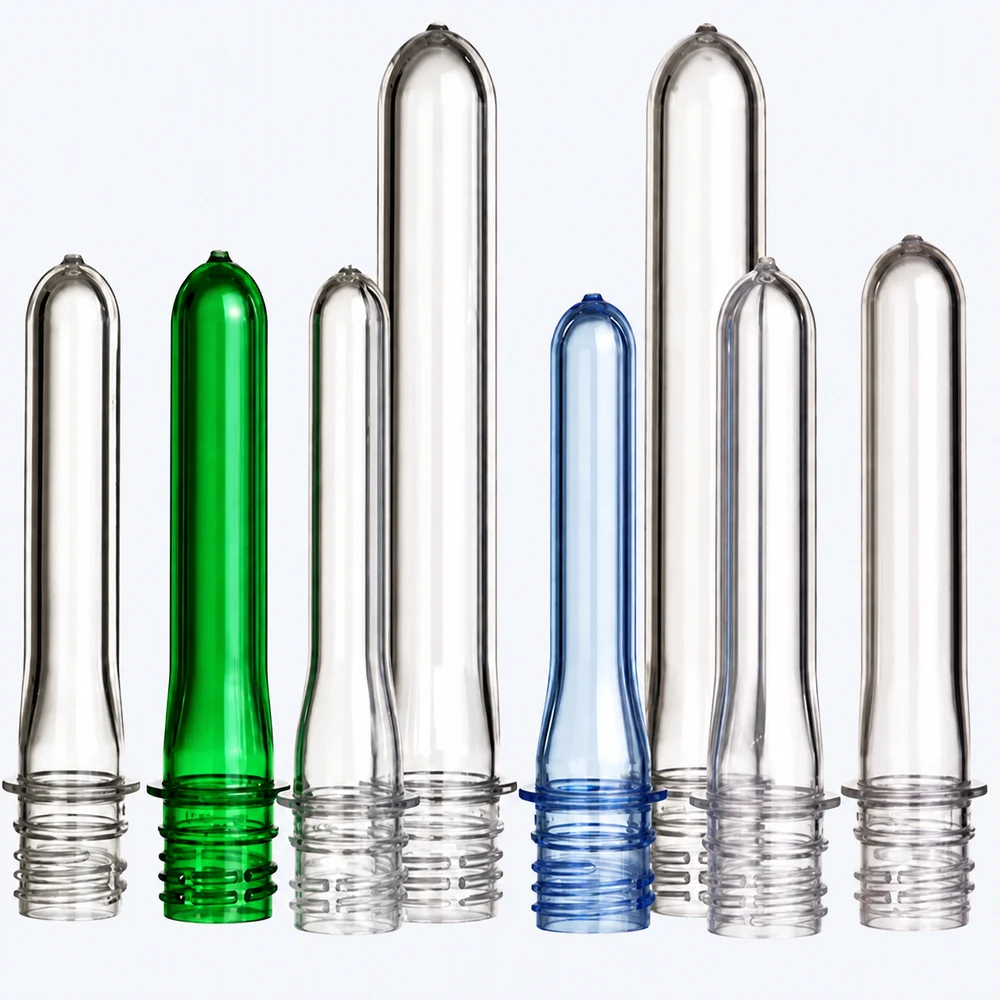
The line can produce bottle sizes from 200 mL to 2 L, helping you create the best bottle design to attract customers.
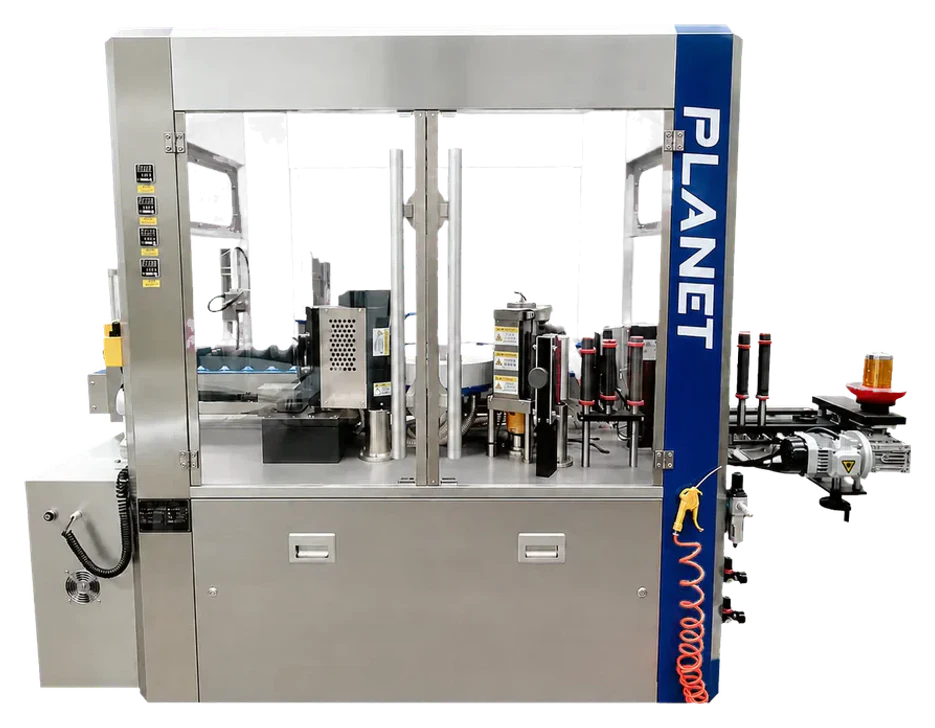
Hot-melt OPP labeling machines, adhesive labeling machines and shrink-sleeve labeling machines are available to meet the different labeling requirements in the market. We can also help our customers design labels.
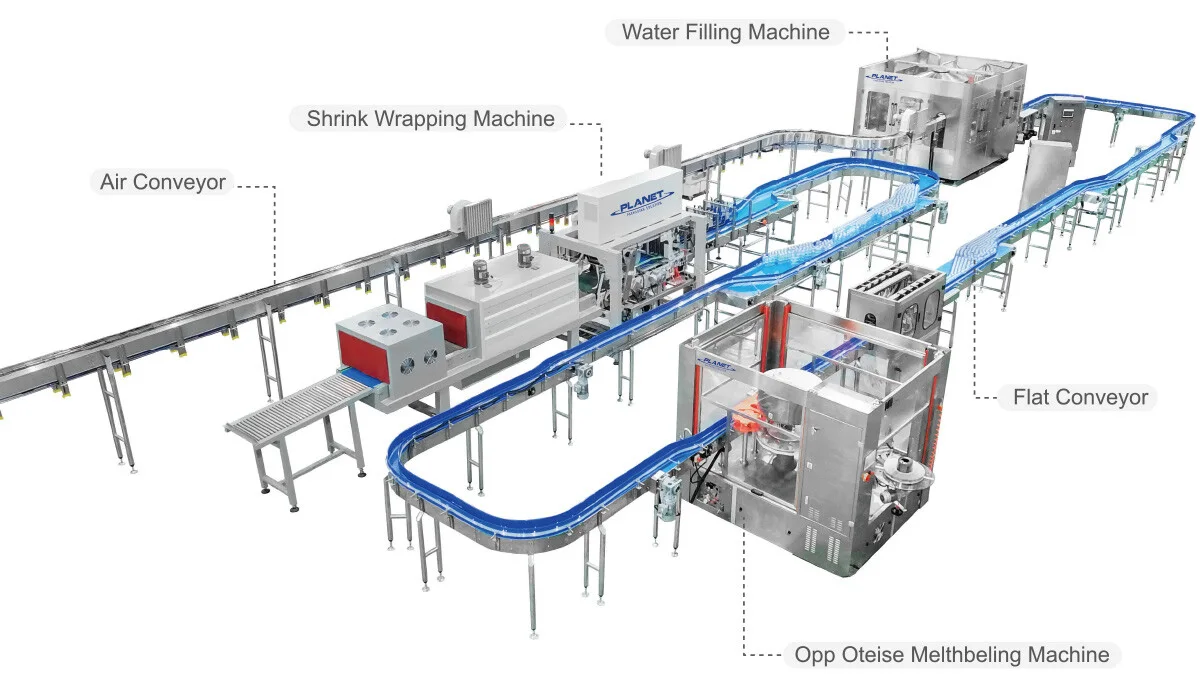
Besides standard shrink-wrapping machines, we can also provide case-packing machines and half-tray shrink-wrapping machines, offering a variety of packaging solutions. Different palletizer solutions are available for different production capacities and customized requirements.
Model selection
Published CGF filler specifications for 500 mL still water. Whole-line footprint, connected load and staffing are confirmed only after the complete scope is defined.
 Open full size ↗
 Open full size ↗
 Open full size ↗
| Model | Heads R / F / C | Capacity (BPH) | Filler power (kW) | Machine L × W × H (mm) | Weight (kg) |
|---|---|---|---|---|---|
| CGF14-12-5 | 14 / 12 / 5 | 4,000–5,000 | 3 | 2360 × 1770 × 2350 | 2,000 |
| CGF18-18-6 | 18 / 18 / 6 | 8,000–9,000 | 3.5 | 2930 × 2150 × 2450 | 4,200 |
| CGF24-24-8 | 24 / 24 / 8 | 10,000–12,000 | 5 | 3300 × 2250 × 2450 | 5,500 |
| CGF32-32-8 | 32 / 32 / 8 | 13,000–15,000 | 5 | 3430 × 2650 × 2450 | 6,500 |
| CGF40-40-10 | 40 / 40 / 10 | 15,000–18,000 | 9 | 4430 × 3280 × 2450 | 9,500 |
| CGF50-50-15 | 50 / 50 / 15 | 22,000–24,000 | 9 | 4720 × 3550 × 2450 | 15,000 |
| CGF60-60-15 | 60 / 60 / 15 | 28,000–30,000 | 13 | 6000 × 5450 × 2550 | 18,000 |
| CGF72-72-18 | 72 / 72 / 18 | 33,000–36,000 | 18 | 6500 × 4680 × 2550 | 25,000 |
| CGF80-80-22 | 80 / 80 / 22 | 40,000–42,000 | 23 | 7800 × 6380 × 2550 | 27,000 |
Nominal BPH · 500 mL still-water bottles
4,000–5,000 BPH
8,000–9,000 BPH
10,000–12,000 BPH
13,000–15,000 BPH
15,000–18,000 BPH
22,000–24,000 BPH
28,000–30,000 BPH
33,000–36,000 BPH
40,000–42,000 BPH
Confirm these boundary conditions before final model selection.
Filler figures are manufacturer-published values, not complete-line consumption. Send Bottle / Water / Output for a project-specific layout, utility list and operator estimate.
Process
Each stage shows the equipment, its main subassemblies and the parameters that connect it to the next stage.
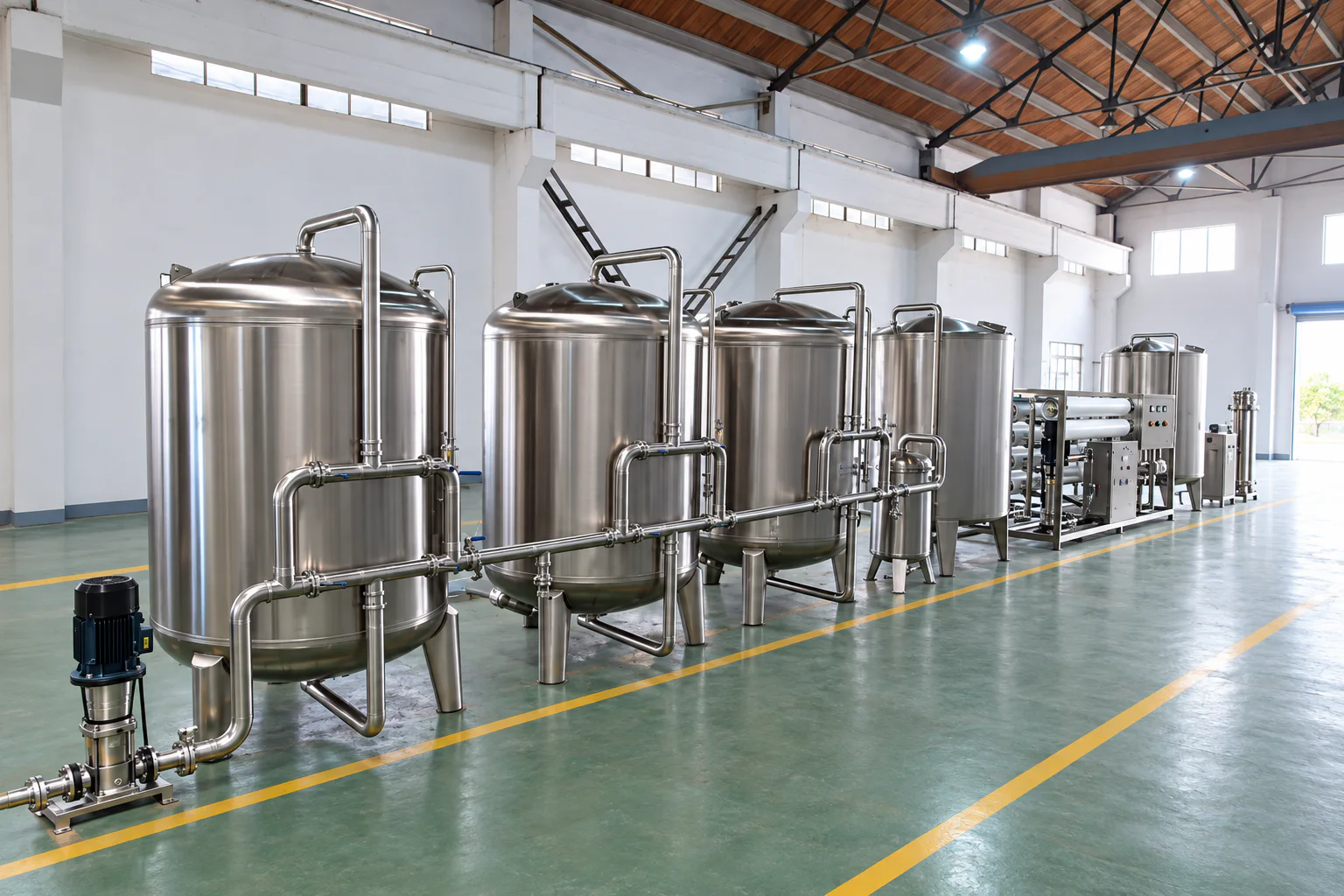 1Raw-water pump2Silica-sand filter3Activated-carbon filter4Sodium-ion filter5Precision filter6Reverse osmosis7Ozone mixing8UV sterilizer
Configure pumping, filtration and membrane treatment from the source-water report and the required finished-water quality.
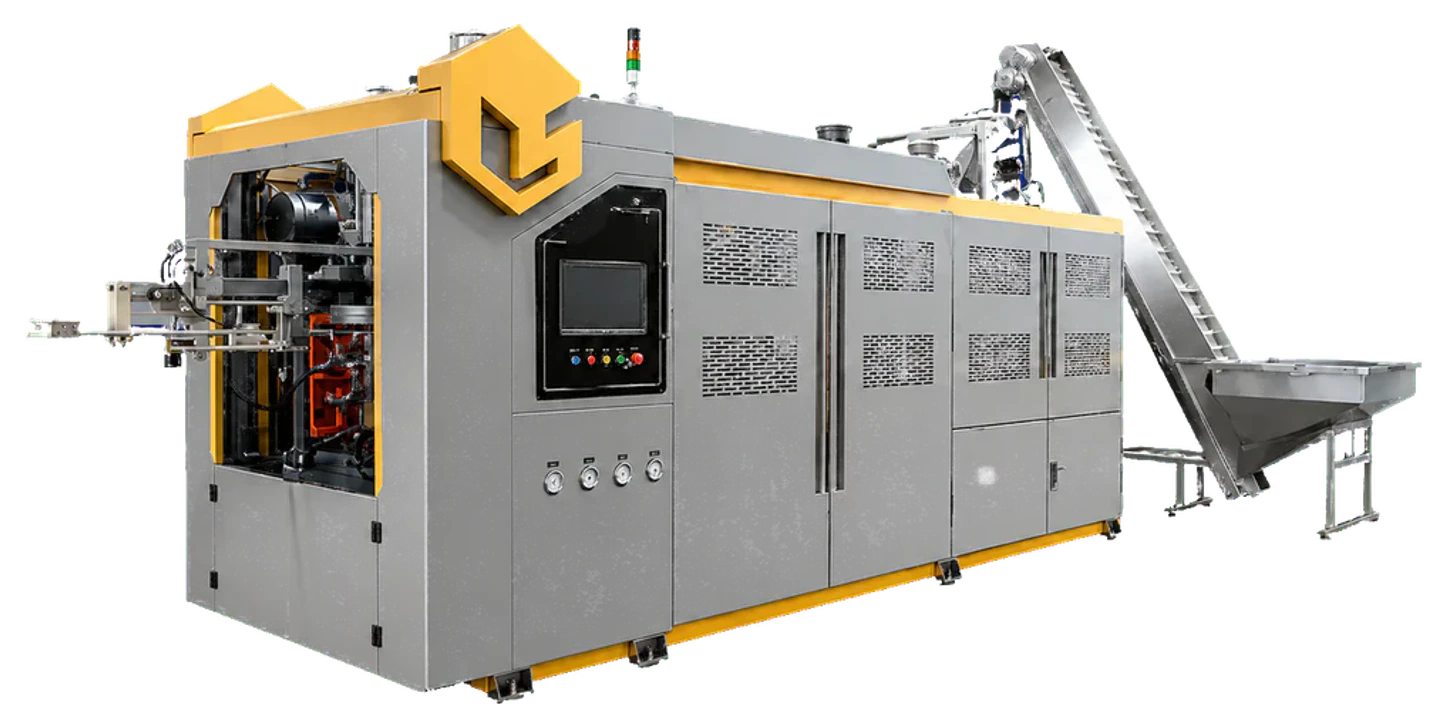 1Bottle outlet2Heating & blowing3Preform feed
When production begins with preforms, the blower and air conveyor create a controlled bottle supply matched to filler demand.
Bottle source decision
This is the only place the upstream choice is explained in full.
Add preform feeding, heating, bottle blowing, high-pressure air and air conveying. This gives greater control over bottle supply and transport efficiency, especially as sustained output grows.
Use bottle infeed and conveying for containers made off-site. This reduces the initial machine scope but makes bottle logistics, storage and supplier consistency more important.
1Rinser2Filler3CapperThe hygienic process core combines bottle rinsing, controlled filling and cap application in one guarded monoblock.
One machine enclosure, three consecutive process stations.
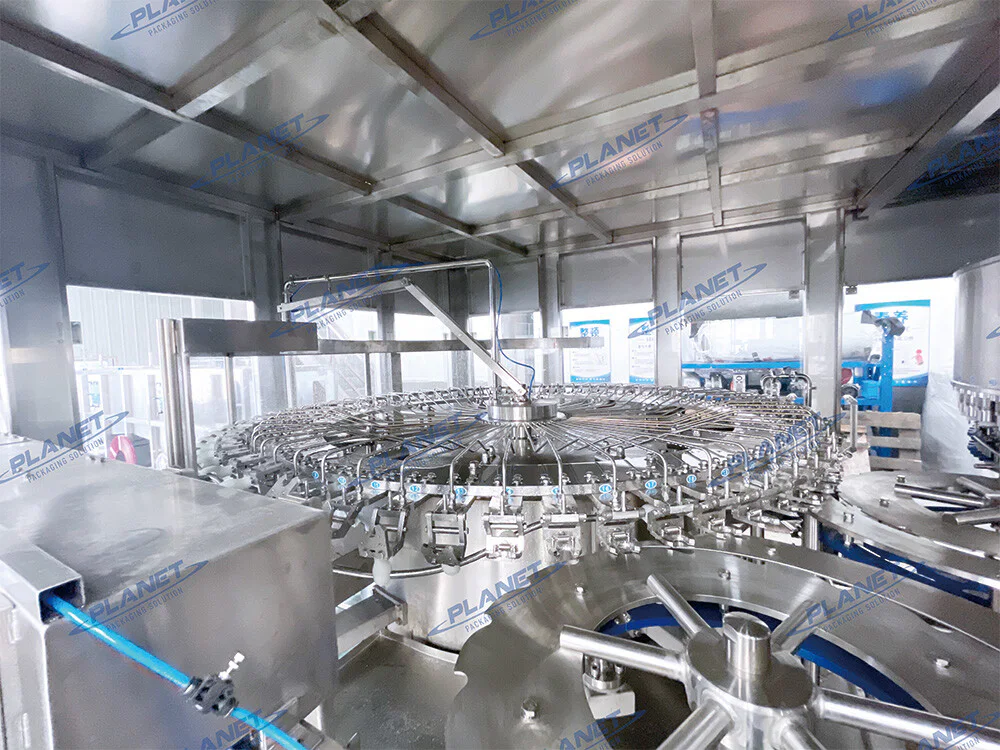
Air-conveyor infeed, bottle-neck handling and stainless-steel rinse circuits prepare each PET bottle before filling.
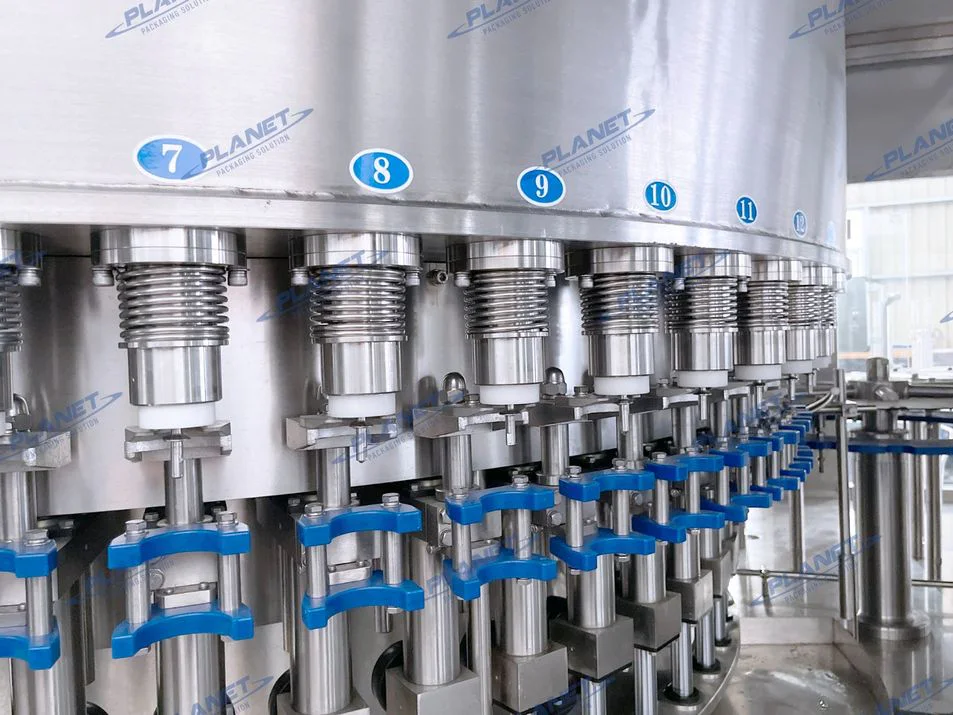
Gravity filling valves and polished water-contact parts maintain a repeatable liquid level and support hygienic cleaning.
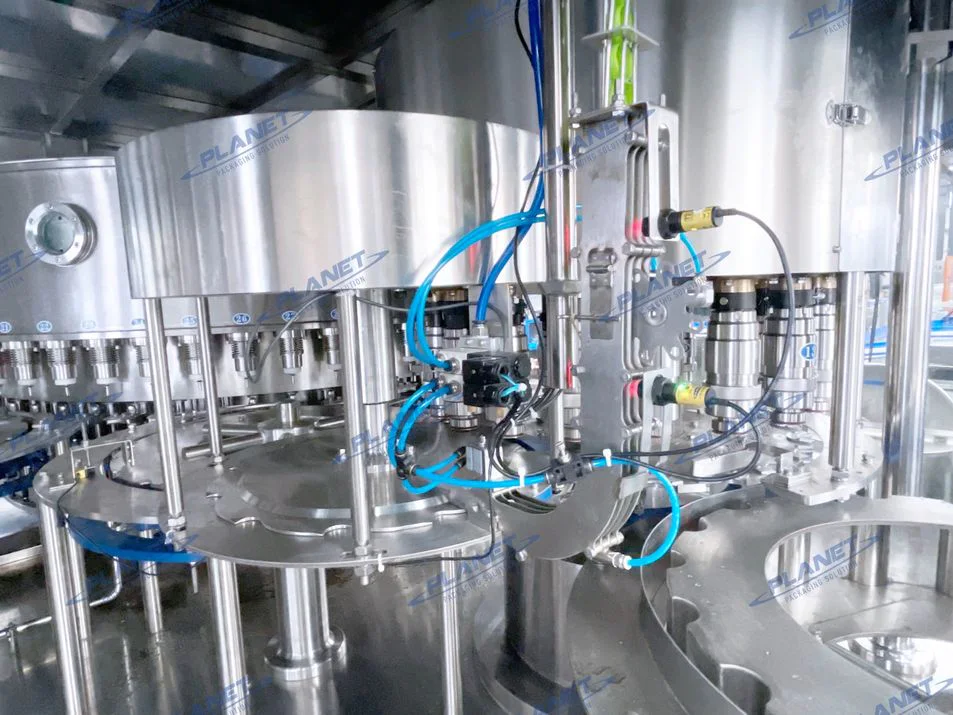
Automatic cap placement, torque-controlled heads and no-bottle/no-cap logic complete the sealed bottle.
1Bottle infeed2Label station3Code & inspectApply the selected label format and production code after filling, with inspection and rejection points planned into conveying.
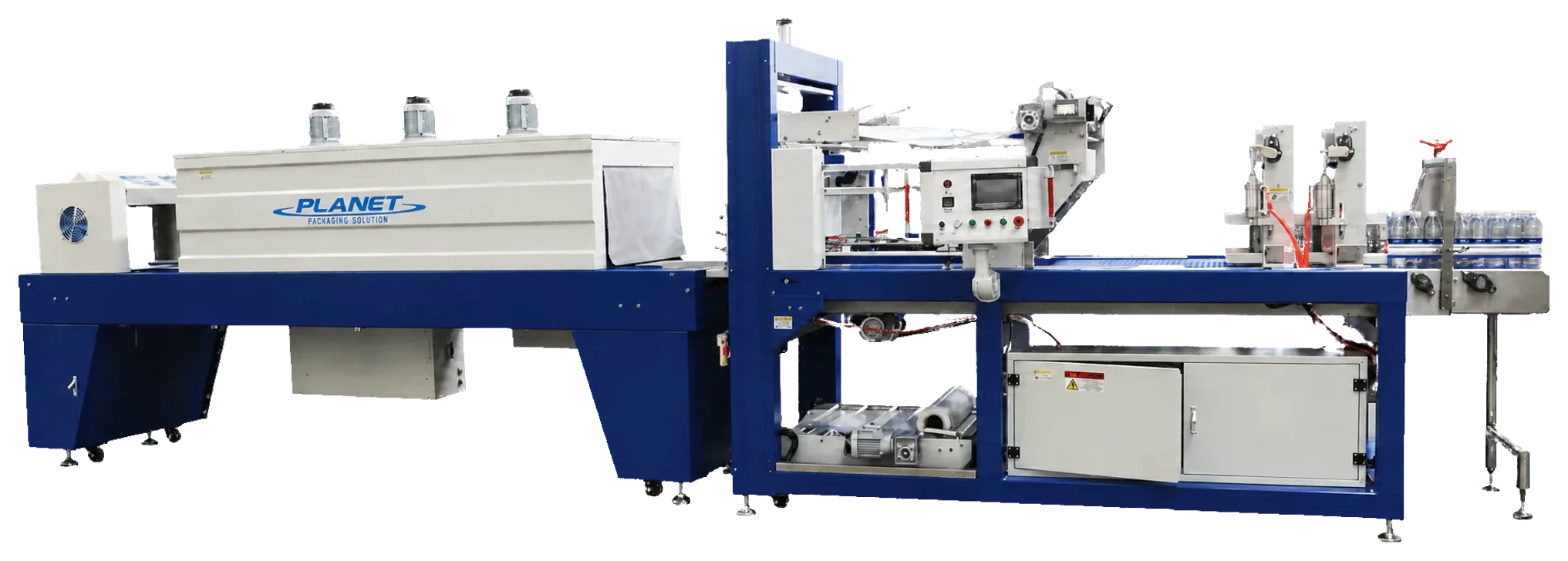 1Shrink tunnel2Film cutting3Bottle splitter
Group finished bottles into stable retail or distribution packs, while conveyors and buffers keep the filler operating smoothly.
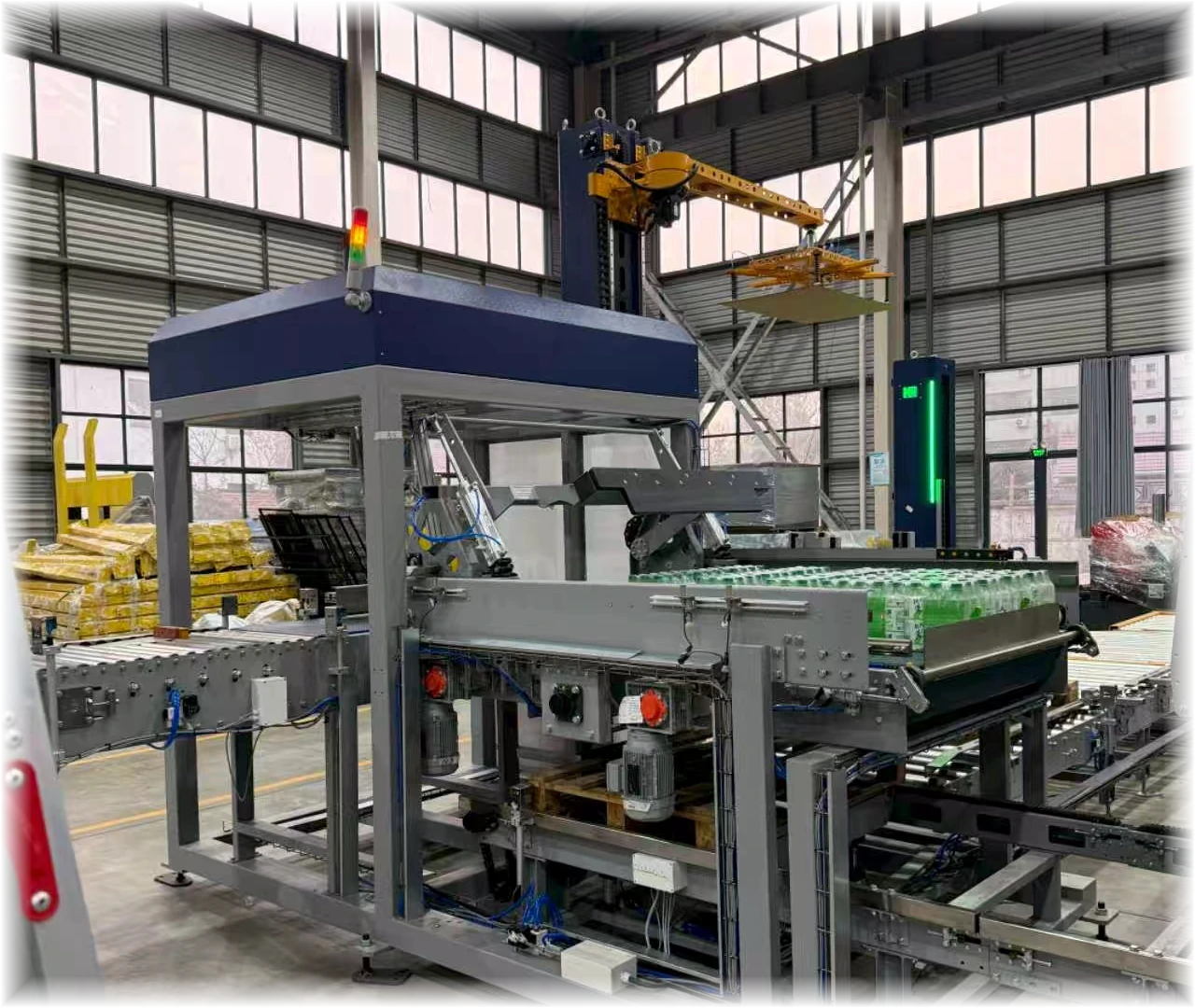 1Pack infeed2Layer forming3Pallet outfeed
Complete the route with pack conveying, layer forming, palletizing and load handling selected for the required automation level.
Customer proof
Begin with a delivered PET water line, then explore how layout, integration and product decisions adapt across different markets.
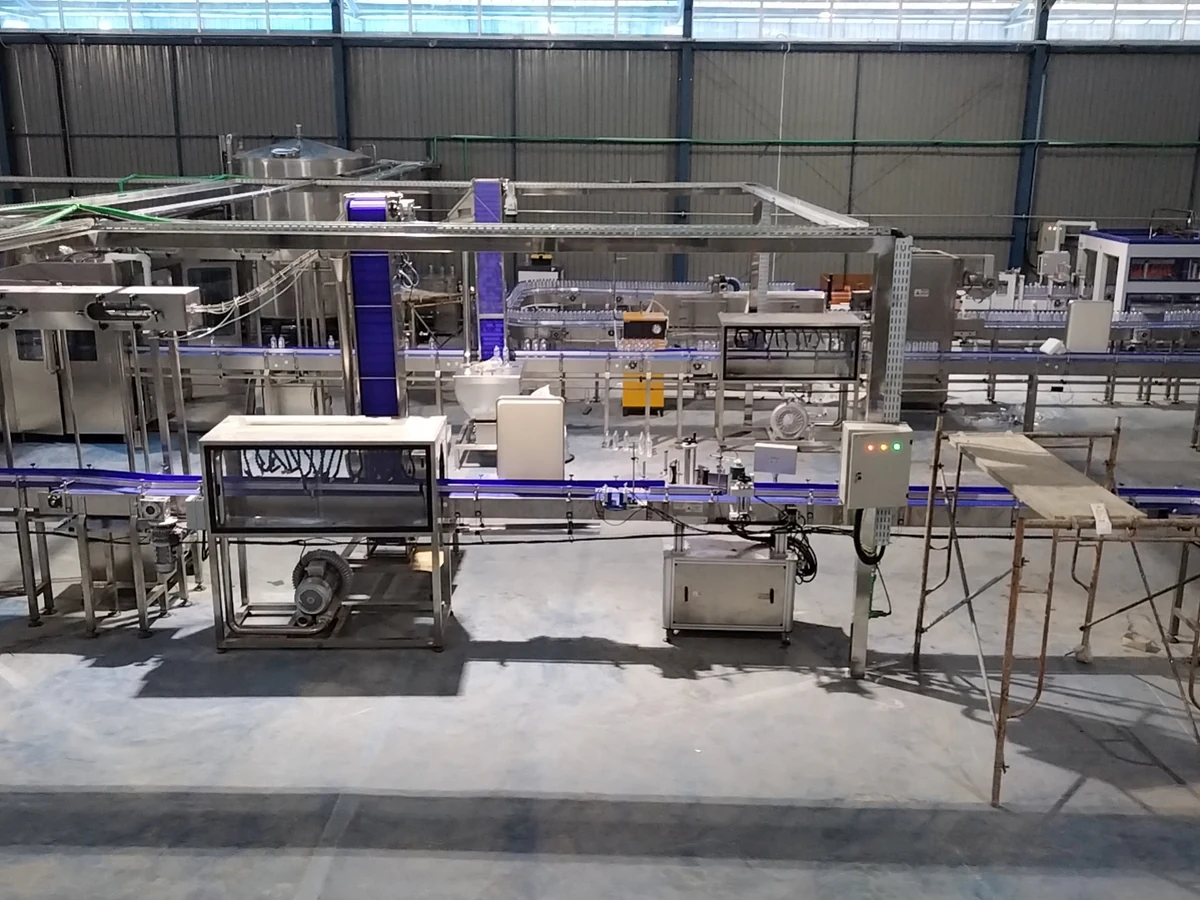 Delivered project
Delivered with water treatment and support for additional pack formats.
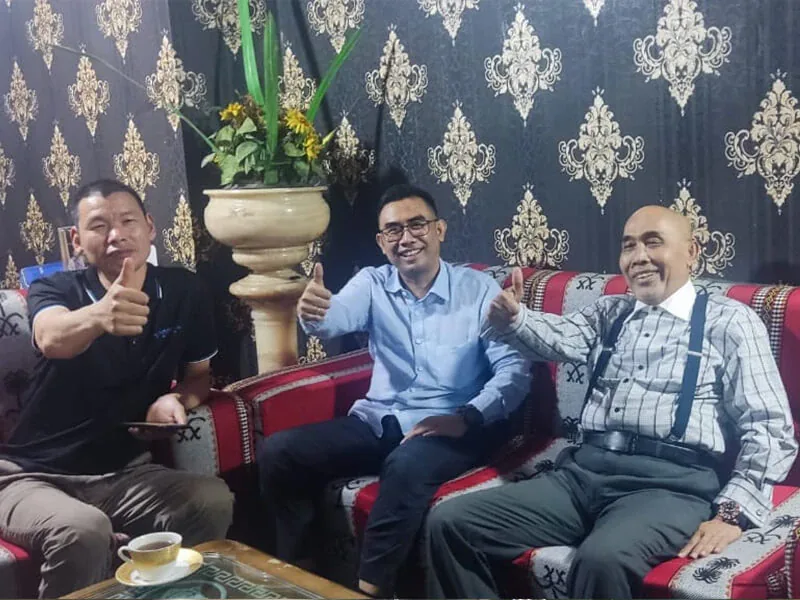 Project discussionCustomer team · Indonesia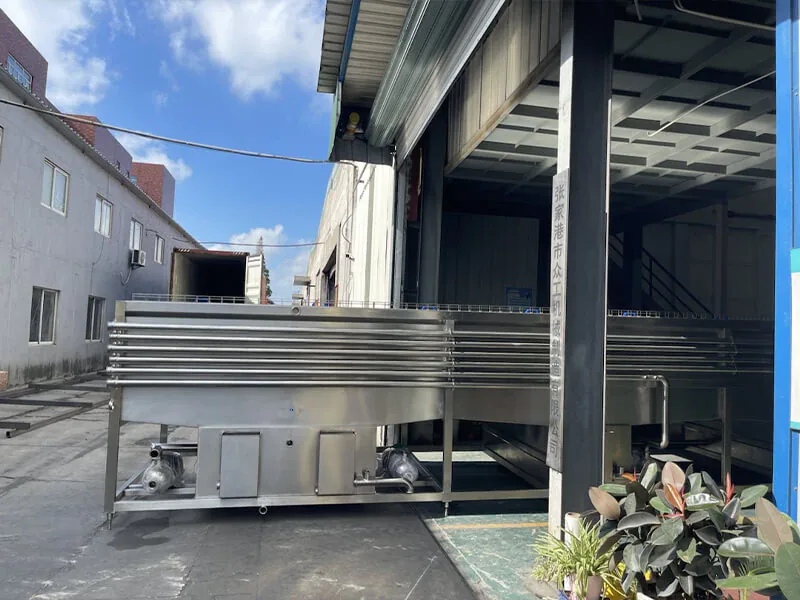
Conveyors and pasteurization connected around an existing can filler.
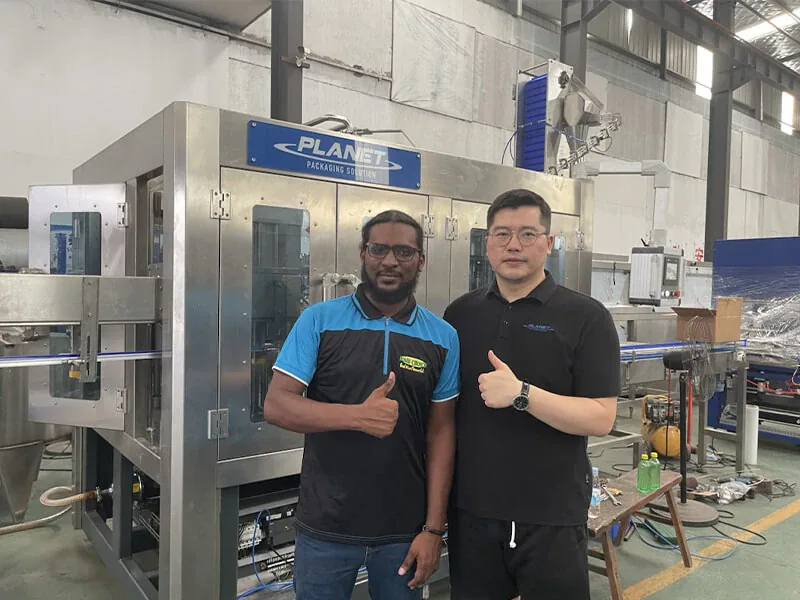
Nitrogen dosing selected to support the required fresh-ginger-juice shelf life.
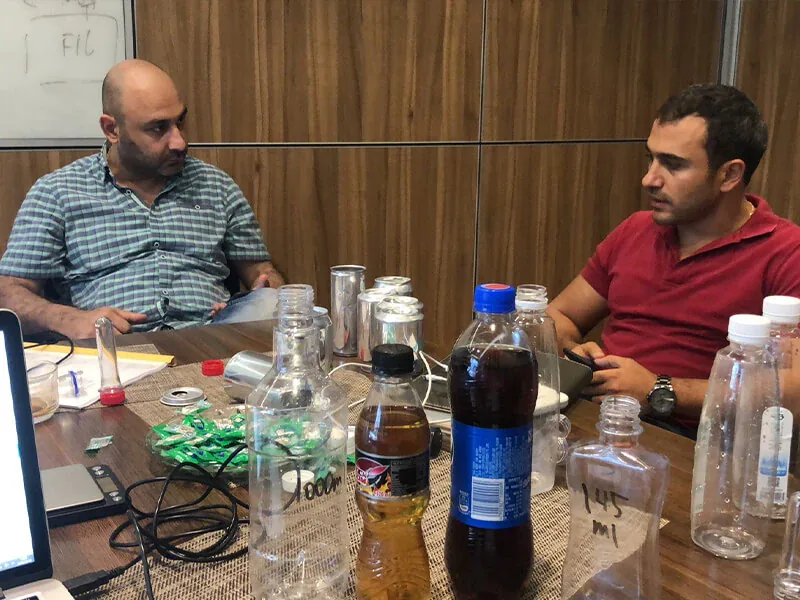
A first carbonated-drink line developed from product and package discussions.
Practical operating and maintenance guidance extends the delivery record beyond installation and commissioning.
FAQ
Definitions and early decisions are collected here so the main line story stays uninterrupted.
BPH means bottles per hour. It is a nominal output reference, not a standalone promise: bottle volume, filler configuration, label and pack format, utilities, operating efficiency and changeovers all affect sustained line output.
Choose preforms when in-house bottle control, transport efficiency and higher sustained output justify a blower and compressed-air system. Choose ready-made empty bottles when startup scope is smaller or an established local bottle supply is more practical. See the full comparison in the Process section above.
Start with a laboratory source-water report, the required finished-water profile and local regulations. These define filtration, membrane, disinfection, storage and cleaning requirements; mineral or spring water may need a lower-intervention route than purified water.
Use the required saleable bottles per shift, divide by available production hours, then allow for changeovers, cleaning, planned stops and realistic line efficiency. Confirm pack formats and growth capacity before selecting the nearest model.
No. They are planning references for an initial comparison. Final footprint, connected load, head count and sustained output are confirmed after bottle, water, output, pack format, utilities and plant layout are reviewed.
Line inquiry
Tell us your bottle size and output target to start a configuration, layout and budget discussion.